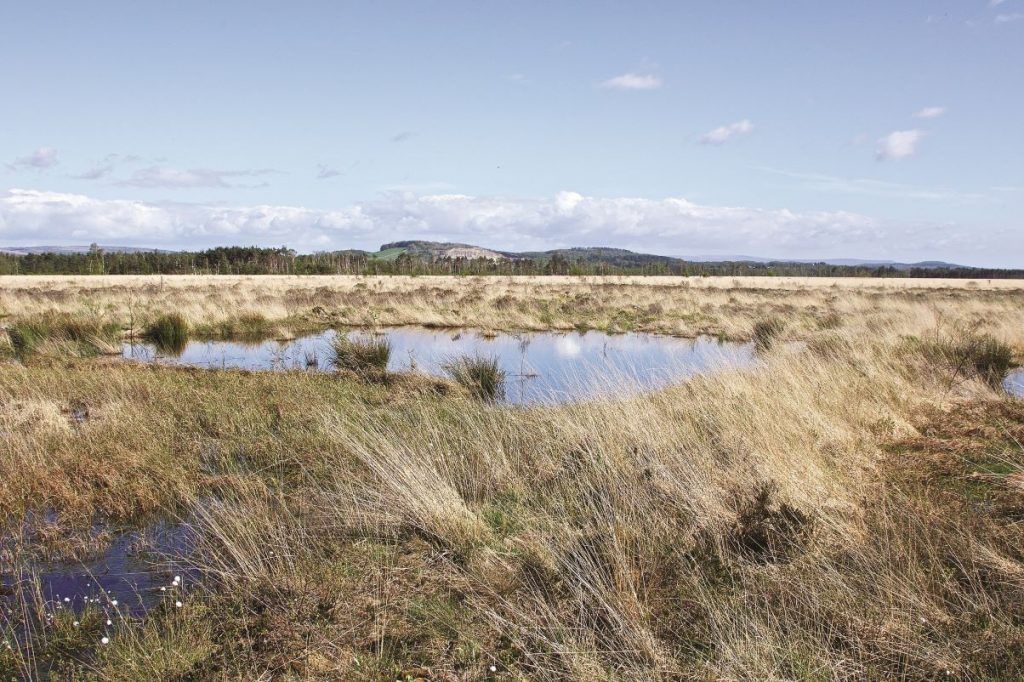
Peatlands the size of 70 football pitches will be restored in Cumbria, thanks to funding from the Government.
Peatlands are England’s largest natural land carbon store, storing the equivalent amount of carbon as found in all of the forests of the UK, France and Germany combined.
However, it is estimated that only 13 per cent of England’s peatlands are in good condition, with degraded and drained peatlands actively emitting carbon into the atmosphere – and contributing to climate change.
The Northern Lowland Peatland Coalition – which includes the Lancashire and Cumbria Peat Partnerships – and the Great Manchester Wetlands Partnership, has identified a suite of peatlands across the North West that are in need of restoration.
Sixteen sites stretching from north Cumbria, through Lancashire, via areas of the once extensive Greater Manchester Mosses, to the Mersey floodplain will be restored, with three sites in Cumbria at Black Moss, Bowness Common and Wedholme Flow.
The Cumbria sites cover 99 hectares.
Stephen Trotter, Chief Executive of Cumbria Wildlife Trust said: “This funding will make a significant contribution to helping meet the UK’s net zero climate targets by keeping carbon locked away safely in the peat which sits beneath the surface. Cumbria, Lancashire and Greater Manchester has the largest remaining extent of lowland raised bog in England and the partners involved have been at the forefront of work to help this rare priority habitat to recover from previous damage.
“We know there are many more bogs in Cumbria that urgently need attention. We’ll be looking for further funding from the Nature for Climate Peatland Grant Scheme to restore more areas peatland right across the North West of England.”