NHS staff from across north Cumbria have made significant contribution to a vital COVID research trial.
Over 400 staff from North Cumbria Integrated Care NHS Foundation Trust signed up to take part in one of the largest COVID-19 reinfection studies worldwide, called SIREN.
They carried out fortnightly PCRs and 12-weekly blood tests to provide data to shape understanding of the virus.
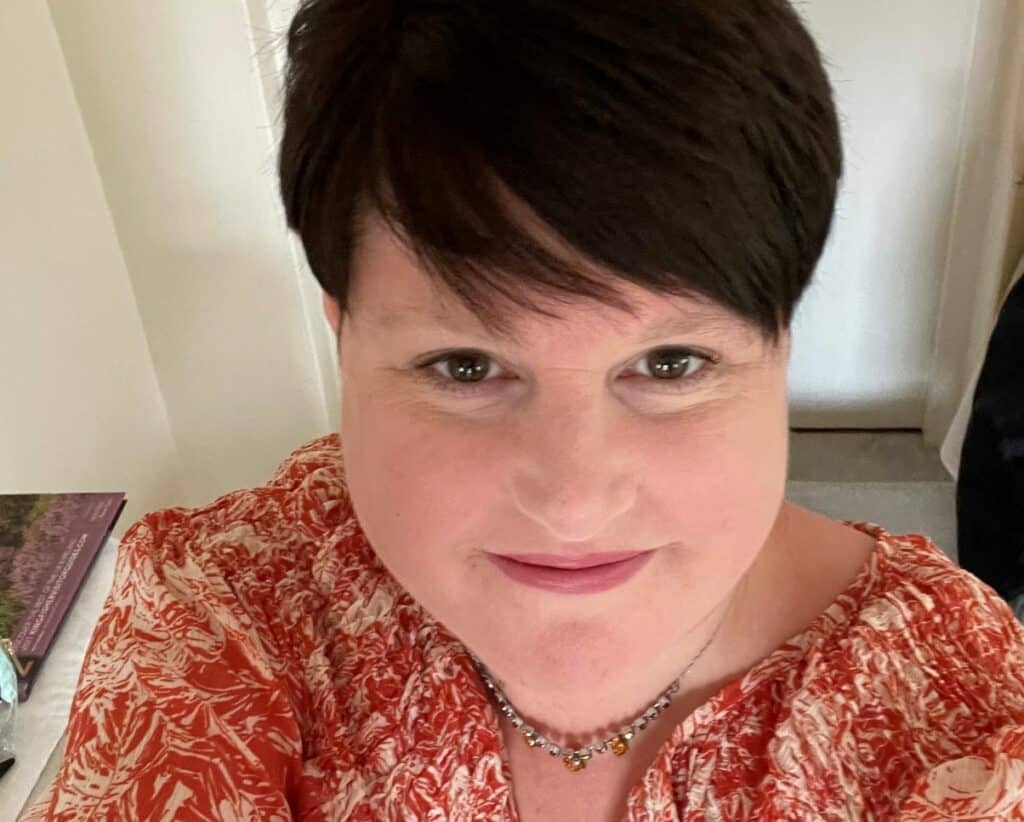
Lisa Dickerson, medical secretary, was one of the staff who has been involved.
She said: “In May 2020, I, along with a couple of my colleagues, were found to have COVID antibodies following a routine blood test. It transpired that I had been infected with COVID-19 at some stage previously. In my case, I lost my sense of taste and smell for a short period of time but had no other COVID-like symptoms.
“I was then invited to join the SIREN Study, a study for people who had antibodies present following a COVID positive test.
“At this time little was known about the coronavirus or the implications and/or long term effects on individuals and I thought that this would be an excellent way of helping to do my bit to help with the study of the virus, along with the possibility of a vaccine or potential cure.
“Every fortnight since then I have attended for a COVID swab and blood test with the clinical research and development nurses. It only takes a few moments out of my day but it is time well spent.
“It was lovely to hear that our trust has one of the largest uptake of COVID-19 research trials. I feel very humbled and proud to be a small cog in a very large wheel, knowing that my participation in such a large and important study may have helped, albeit in a very small way, to beating and living with COVID-19 which has blighted our world for the last two years.”
Ian Pearson, pathology information and performance manager, said: “I felt we needed to find out as much as we could about this new virus, the causes of it and how we could protect ourselves. I thought it was a very small price to pay for a little discomfort every couple of weeks.
“I am not patient facing but I could see the toll it was taking on the people who were working day in and day out putting their lives at risk to take care of people like me, I am asthmatic and I have been very lucky as I have never tested positive for the virus.
“However, I have had asthma attacks in the past and I know what it feels like struggling for every breath. I dreaded to think what could have happened had I caught the virus and ended up in hospital. I needed to do something however small to try and bring an end to the suffering of people who have lost family and friends as well as helping in the fight against it.”
Grace Killingsworth, research practitioner, said: “I’m really proud to have worked on the SIREN study and give staff the opportunity to keep an eye on their antibody levels. It has been interesting to see how long infection antibodies last and that people are having an antibody response to the vaccine.
“I am so pleased that so many staff continued to show up and provide samples for this immensely important study.”
The national SIREN team posted a video just before Christmas, to mark 18 months into the study, thanking those who got involved for their support including a personal thank you from deputy chief medical officer Professor Jonathan Van-Tam. They also updated on the most recent findings.