Copeland Conservatives have hit out at Labour leader Kier Starmer over his comments opposing plans for an £160 million coal mine off the coast of West Cumbria.
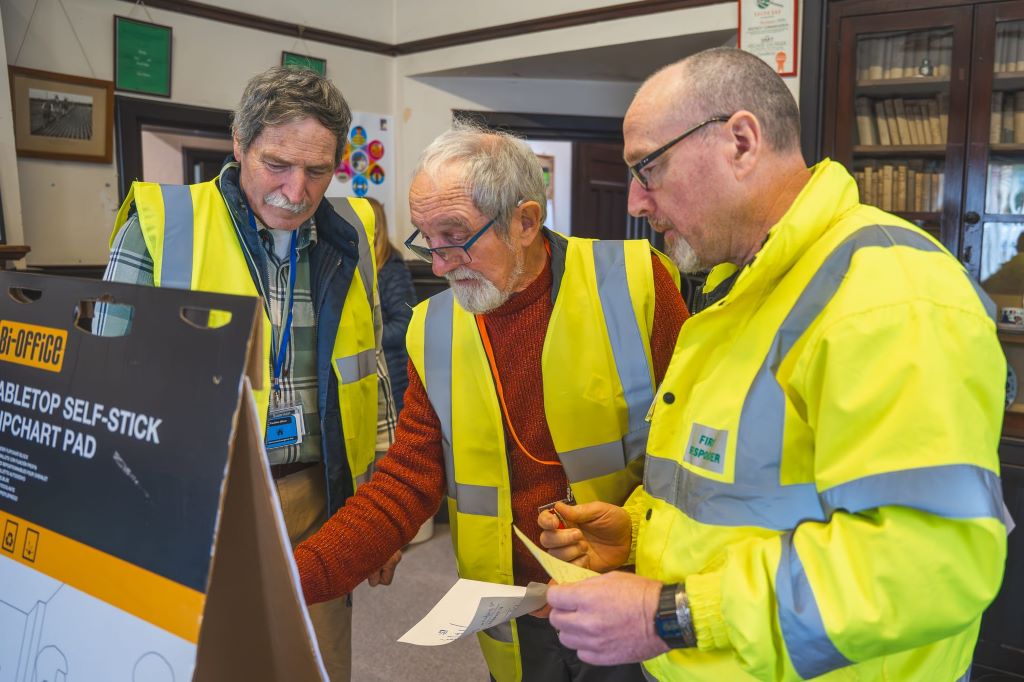
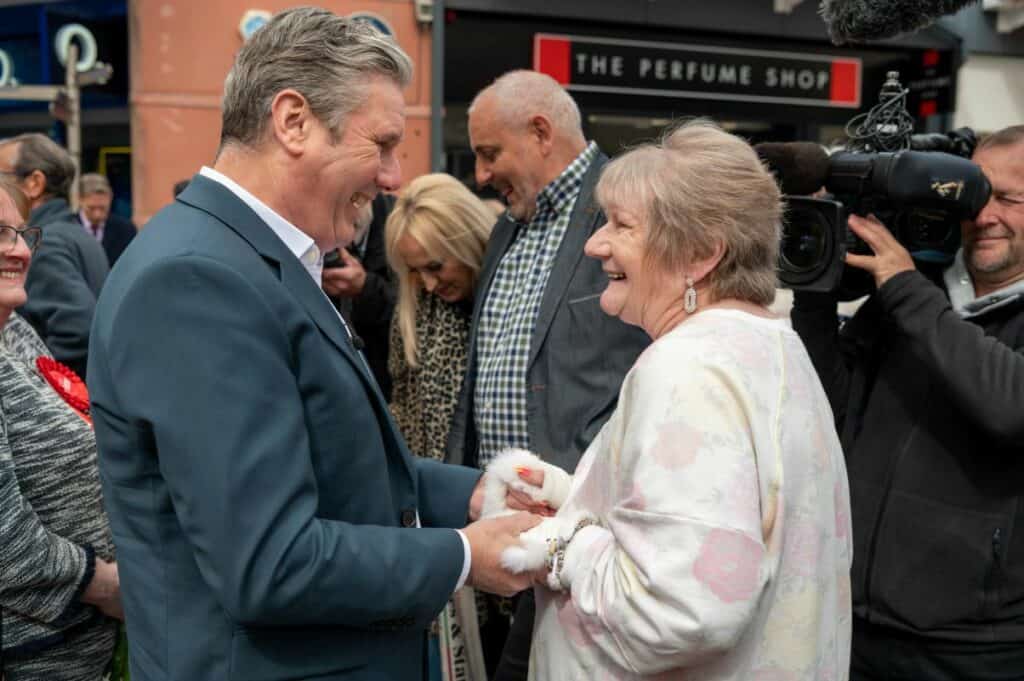
Sir Keir visited Workington town centre on the campaign trial this week as elections loom on May 5.
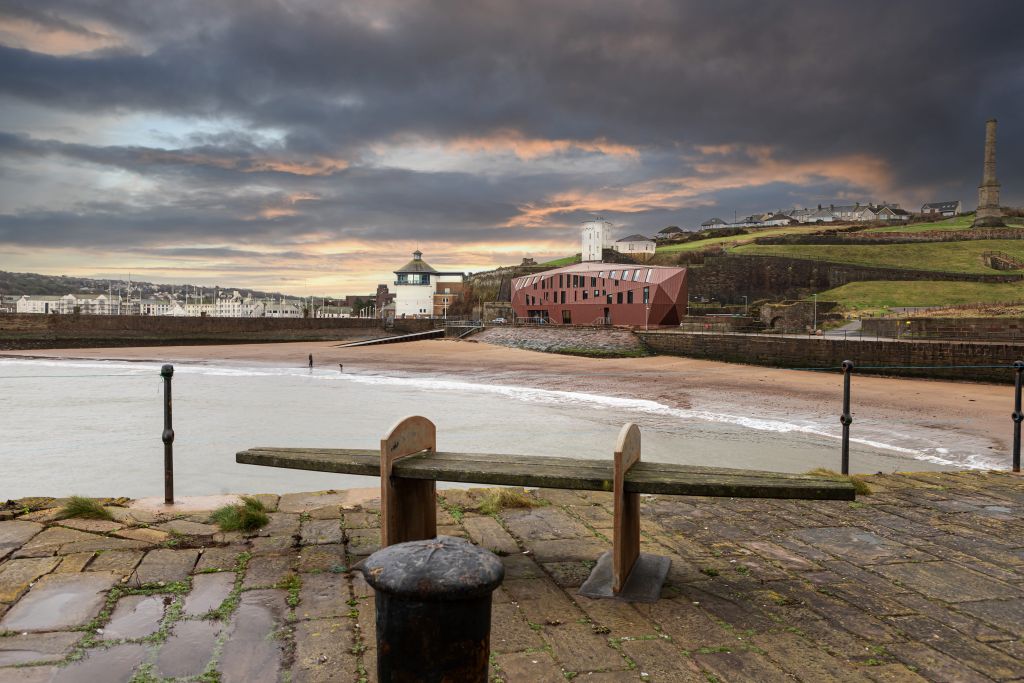
When asked for his views on the controversial proposal to build a metallurgical coal mine in Whitehaven, Sir Kier said that it wasn’t the way forward for job generation in Cumbria.
He said: “The really good new generation jobs in tech and digital, they’re all in nuclear, renewables. What I would say is, let’s grasp those opportunities.
“I do support new nuclear and reactors and I think what people in Workington want, is what’s the plan for the next generation of jobs.”
The Labour leader visited high street businesses and told residents that the Government should implement a windfall tax on North Sea oil and gas companies.
Andy Pratt, chairman of Copeland Conservative Association, said: “We are disappointed – but not surprised – that Sir Keir has used his visit to West Cumbria to speak out against the Woodhouse Colliery mine in Whitehaven.
“Copeland Conservatives are 100 per cent supportive of this development. It will bring significant investment into our area, providing well-paid jobs and opportunities both at the mine directly – during construction and operation – and in the supply chain.
“Furthermore, by accessing a homegrown source of coking coal for the steel-making industry, it will reduce our reliance on imported coal and the damaging environmental impact this has.”
West Cumbria Mining’s application was called in by the Government and a public inquiry was held last year. Planning inspector Stephen Normington has made his recommendations to the Government and Michel Gove, minister for local communities, will give his final decision about the mine by July 7.
Environmental campaign groups believe that the UK should not be opening new coal mines on the march to net zero carbon.
But supporters argue that the mine will extract metallurgical coal for use in British steel, not thermal coal.