A South Cumbrian zoo has been given a year to improve on animal living conditions and pest control.
South Lakes Safari Zoo, at Dalton, came under the spotlight at a meeting of Barrow Borough Council’s licensing regulatory committee yesterday.
It followed a special investigation by the council into the zoo that took place on November 17, after it received reports of management issues and animal and public welfare concerns.
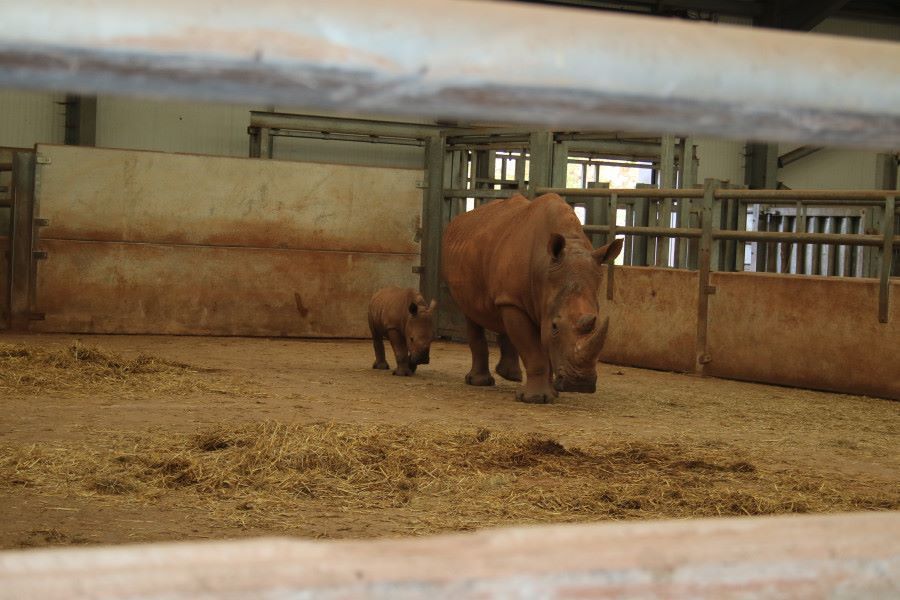
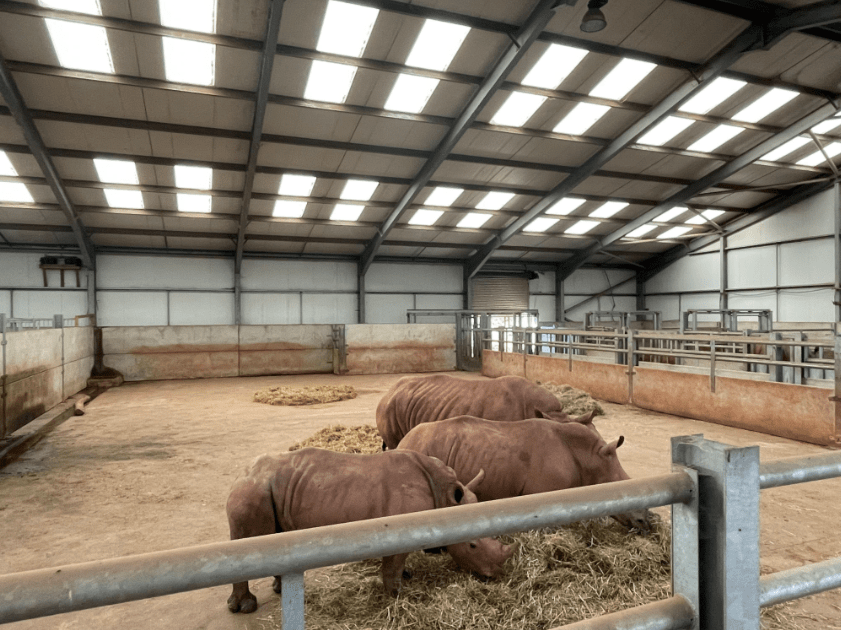
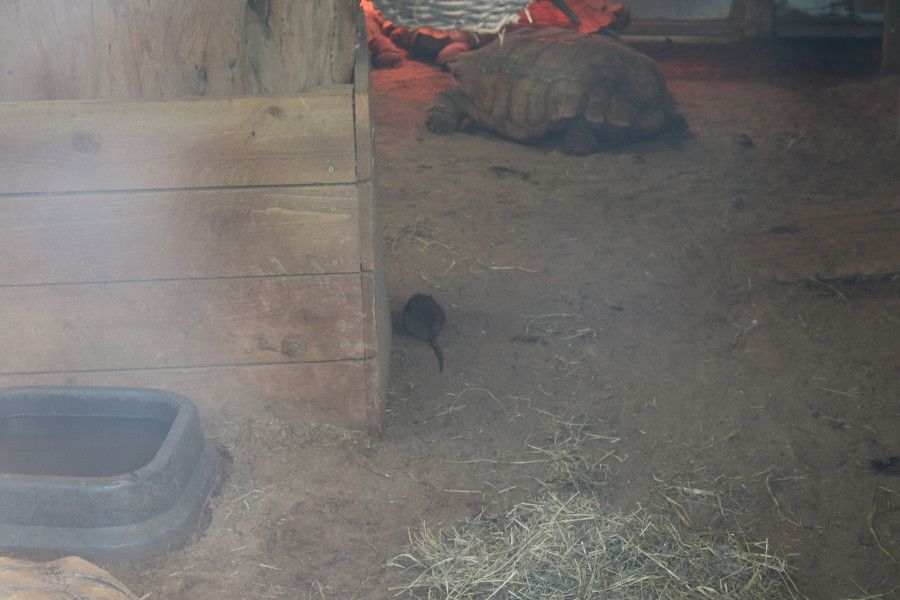
Among the concerns identified by the council included rodents seen in multiple areas of the site that posed a potential hazard to the animals, the staff and visiting public and rhinos subject to a time-share of their paddock – leading them to spend the vast proportion of their time in restricted stables.
Evidence of flooding in the Africa House – a long-term problem due to the way it is built, according to the report – where several animals including zebras and rhinos are housed was also identified and rhinos were seen standing in three to four inches of mud on broken down land.
Dr Matthew Brash, the council’s professional veterinary advisor, said in his report that the situation with the flooding paddock was worse than found in previous inspections and that the broken down land could be detrimental to the animals.
The November inspection followed reports of concern from the Zoo Investment Company, the landlord of the zoo, and a single report from animal welfare charity Born Free Foundation.
The reports also highlighted worries over the zoo’s compliance with the Zoo Licensing Act 1981, which aims to ensure zoo animals are provided with a suitable environment and opportunity to express normal behaviour.
The meeting at Barrow Town Hall heard from Anna Gillard, director at the zoo.
She told the room that ‘we are all aware’ of how the November inspection came about and referred to a ‘campaign of harassment driven by the greed of our landlord’.
She said the landlord, the Zoo Investment Company wanted to take control of the zoo, accused the company of ‘lies’ and ‘dishonesty’, and described assertions that ‘we are not operating the zoo as we should do’ as ‘ridiculous’.
“Our records of improvement over the last six years – for example, veterinary care to dramatically reduced mortality rates to nutritional diets – speaks for itself,” she said.
Kim Banks, animal manager at the zoo, said: “There’s an unavoidable past that shouldn’t have happened, and we don’t shy away from that.”
After lengthy discussions, the licensing regulatory committee reached a number of conclusions, which were announced by committee chairman councillor Tony Callister.
Among them was that the zoo needed to submit to council a written plan for how it will provide grazing and exercise opportunities for all the rhinos within the zoo.
Councillor Callister said this had to be implemented by no later than February 16, 2024.
The zoo was also ordered to make sure it was implementing effective pest control measures. The issue of drainage at the zoo’s Africa House was also raised at the meeting.
Prior to the meeting, it was confirmed in a report by Graham Barker, head of public protection at the borough council, that drainage work at the Africa House had been completed since the November inspection.
Councillor Callister said yesterday that the zoo now needed to submit a report on the effectiveness of the draining system at the Africa House to the council on a regular basis.