Two geology drop-in events are being held in South Copeland to continue the conversation around a potential Geological Disposal Facility in Cumbria.
Nuclear Waste Services is hosting the events which aim to explore how geological studies are planned and undertaken to inform the design and long-term safety of constructing a GDF.
The drop-in events will be held on the following dates:
- Wednesday 31 January, 6pm to 8pm: Millom Palladium, St George’s Road, Millom, LA18 5DW
- Thursday 1 February, 6pm to 8pm: Drigg and Carleton Village Hall, Drigg, Holmrook, CA19 1XF
Experts from NWS will be discussing their work to date to on understanding the rocks in the subsurface off Copeland.
Fiona McEvoy, head of site characterisation and research and development, said: “These interactive events will explore the work we’re doing to develop a digital geological model from seismic data, previous studies by other organisations in the broader region, as well as studies of comparable rocks in other parts of the country.
“We’ll share what is known about the geology in Copeland, what continuing investigations could look like, and explain the significance of this in ensuring the long-term safety of our communities and the environment.”
The search for a suitable site for a GDF is a nationwide process based on community consent and must include detailed investigations over a number of years.
Community Partnerships, which have formed in Mid Copeland and South Copeland in Cumbria and Theddlethorpe in Lincolnshire, are listening to local people to ensure they have access to information about what hosting a GDF might mean.
A Working Group has also formed in South Holderness, East Riding of Yorkshire, to begin engagement on whether the area may be suitable to host a GDF.
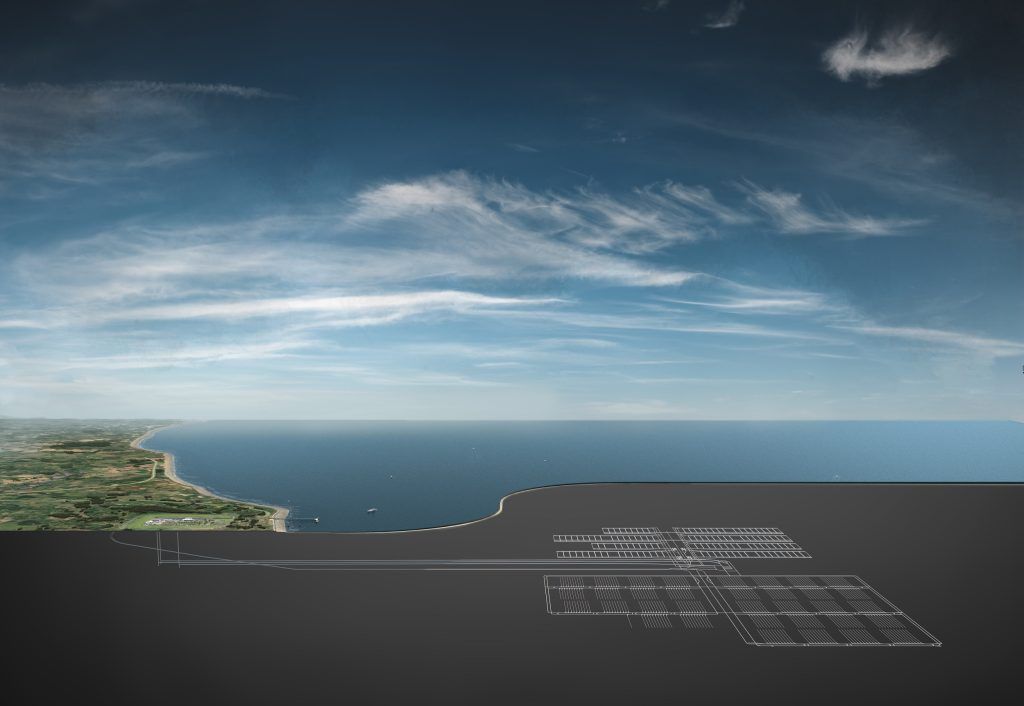
Deep geology beyond the coast is currently being considered for siting the underground elements of a GDF. This means a surface facility on, or near, the coast would provide access to a disposal area deep in rock beyond the coast.
If a suitable site is found in South Copeland – a process which could take 10-15 years – a Test of Public Support would give people in the potential host community a direct say over whether the project goes ahead.