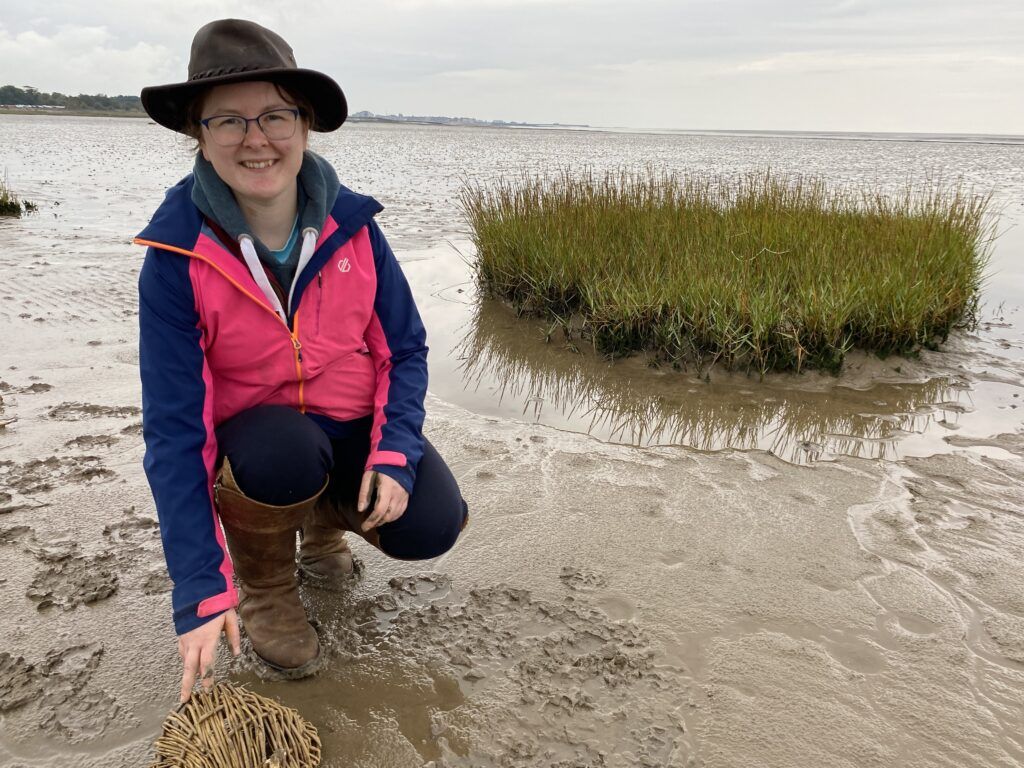
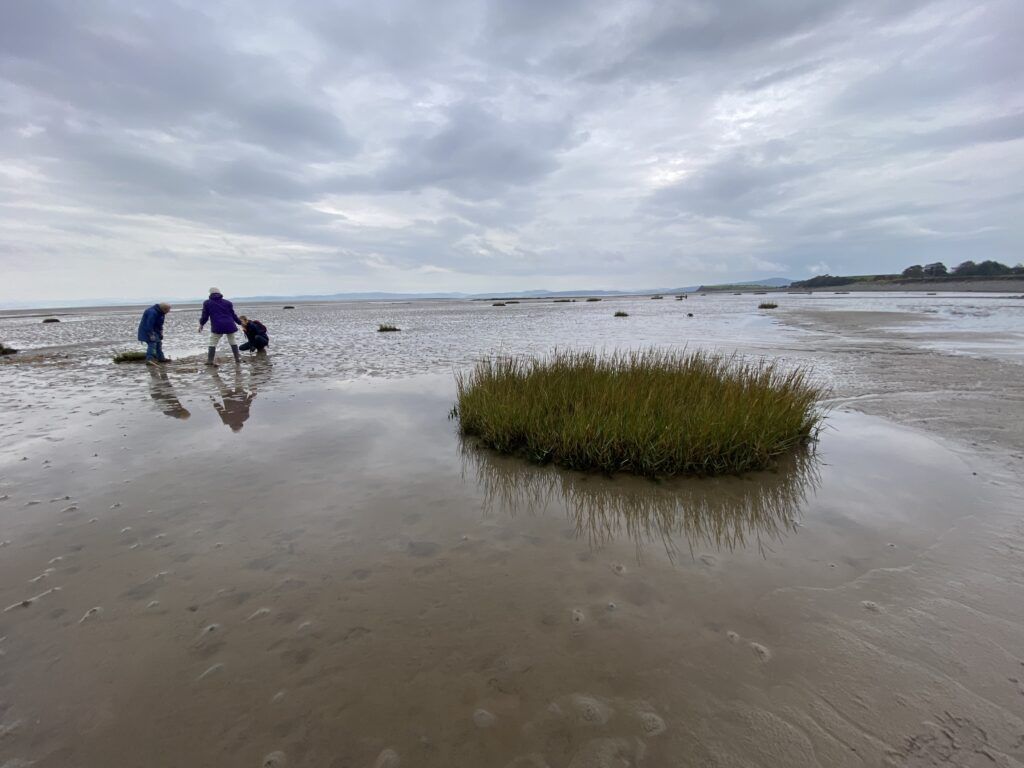
Willow branches, basket weaving and even wool is being used in a new project being trialled around Morecambe Bay to speed up the regeneration of salt marsh.
A form of rope netting is being used to as part of the project which target three parts of the Bay’s coastline.
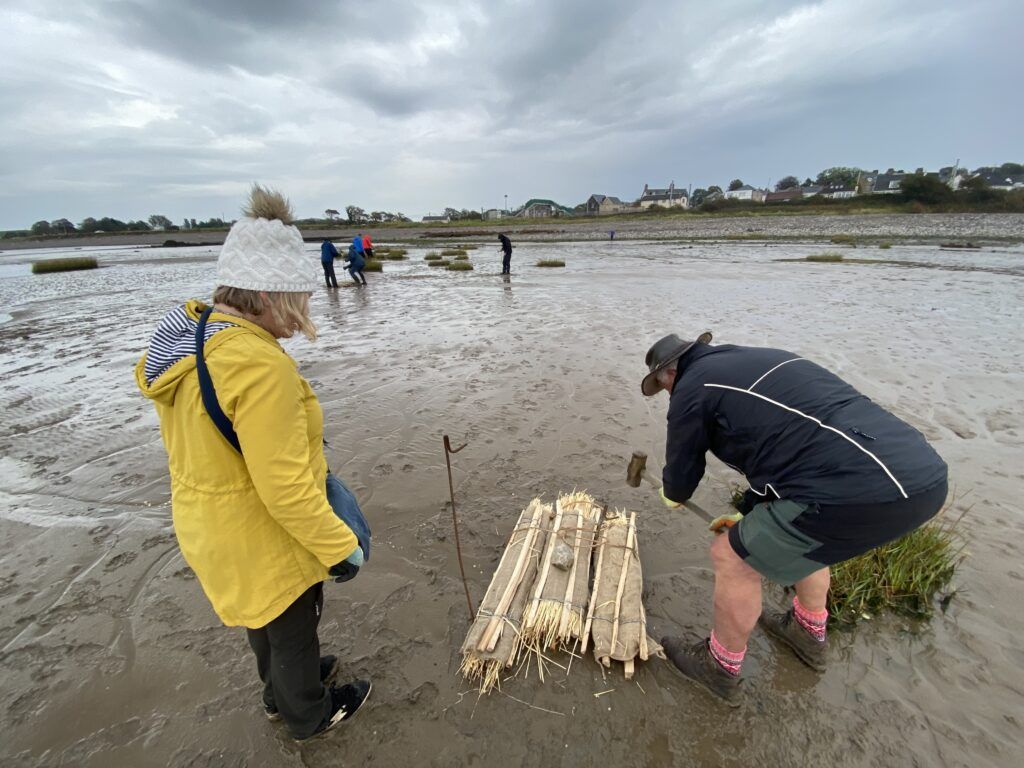
Already the first structures have been sturdily driven into the beach at Hest Bank near Morecambe aimed at encouraging sediment to form leading to the growth of spartina grass.
Called Our Future Coast project the Morecambe Bay Partnership are working with Lancaster City Council and Lancaster University’s Coastal Nature Lab to design and make trapping devices.
The project is funded by Defra as part of the £150 million Flood and Coastal Resilience Innovation Programme which is managed by the Environment Agency to develop and test new approaches to resilience tailored to local communities.
Volunteers have helped install the new devices which are already showing promise.
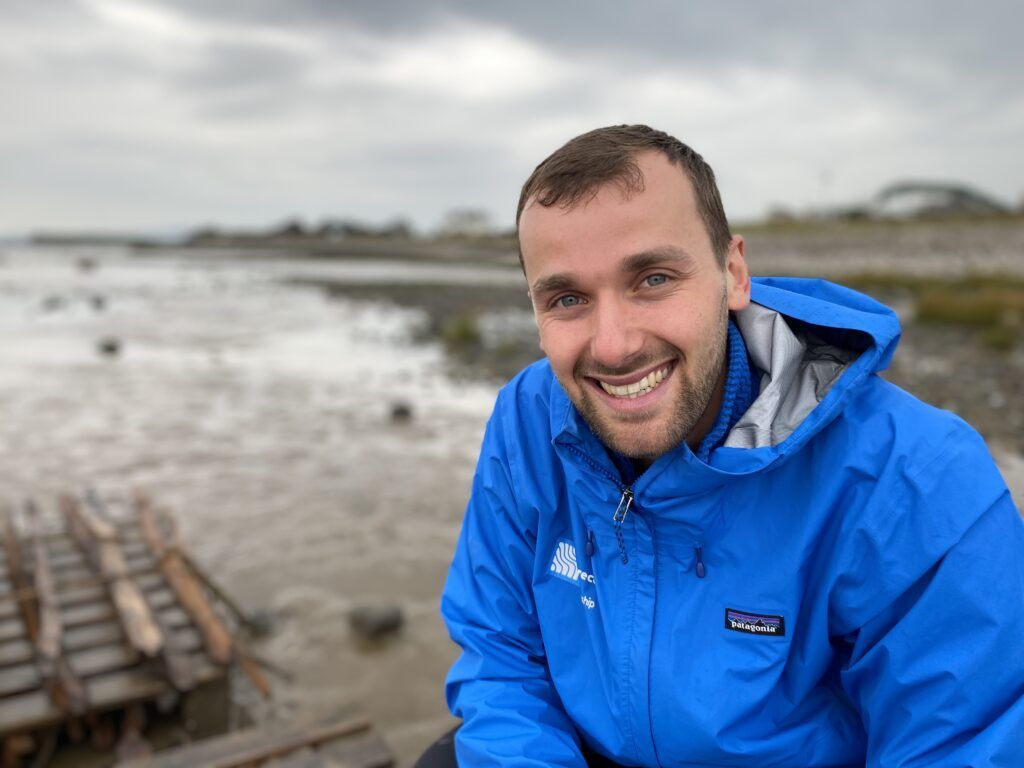
“Essentially what we’re trying to do is reduce the energy of the waves as the tide flows over the structures allowing sediment to build up,” Joseph Earl from the Morecambe Bay Partnership said.
Sites at Hest Bank, Bolton le Sands and Silverdale have been identified for attention in Morecambe Bay.
Another site at Earnse Bay on Walney Island where the coastline is eroding will also form part of the Our Future Coast project involving Westmorland and Furness Council, partners and the community.