With one of the worst suicide rates in the country – it’s fair to say Cumbria is facing a mental health crisis.
For most people, the first path on the road to recovery involves traditional support like talking therapy and medication – but there are other, non-clinical options out there that are slowly proving more and more popular.
In Cumbria, one of those options is Growing Well, a charity that delivers targeted and specialist mental health support through outdoor activity in relaxed commerial gardening environments.
It’s a place where people struggling with low to moderate mental health problems are able to spend a year helping to grow, harvest and plant vegetables while building new skills and working outside with other volunteers.
It’s far from the constraints of a GP surgery – but behind the scenes, Growing Well has smartly drawn from clinical techniques and put them into a non-clinical setting in order to expertly support the people who come to them with mental health problems.
It’s a programme that has worked for hundreds of people over the last 20 years since the charity first opened its doors in Kendal, and it’s now growing even more with the addition of its new three acre Egremont site.
But what does mental health support look like at Growing Well? How do people get help there? Can anyone go? And what impact does it have?
We visited Growing Well’s new site in Egremont to learn more about it all works.
How do people get help from Growing Well?
People seeking support do not have to be officially diagnosed with a mental health problem to be able to access Growing Well’s support programme.
Manager at the Egremont site, Hannah Wright, said the first step to accessing help from the charity is through a referral – which doesn’t have to come through a GP.
She added: “People are most commonly referred into Growing Well by a professional like a GP or a community mental health team. But they can also be referred through a friend or family member and they can self-refer too.
“Most of our referrals come from the NHS and no formal diagnosis is needed, but we do only work with people with medium and non-severe mental ill health.”
Once a referral is received, the person seeking support is then given a site visit, where the programme, its routine and structure are explained.
The person looking to join Growing Well is then asked to fill out an application form that is checked over by the site’s mental health co-ordinator.
The form along with the individual’s GP records then give the team a fuller picture of the person’s current situation and allow the team to make a decision on if the programme is the right fit.
But there’s no wait for GP records to come back – once the Growing Well team has carried out its assessments, if an individual is need of support sooner rather than later, they can get started.
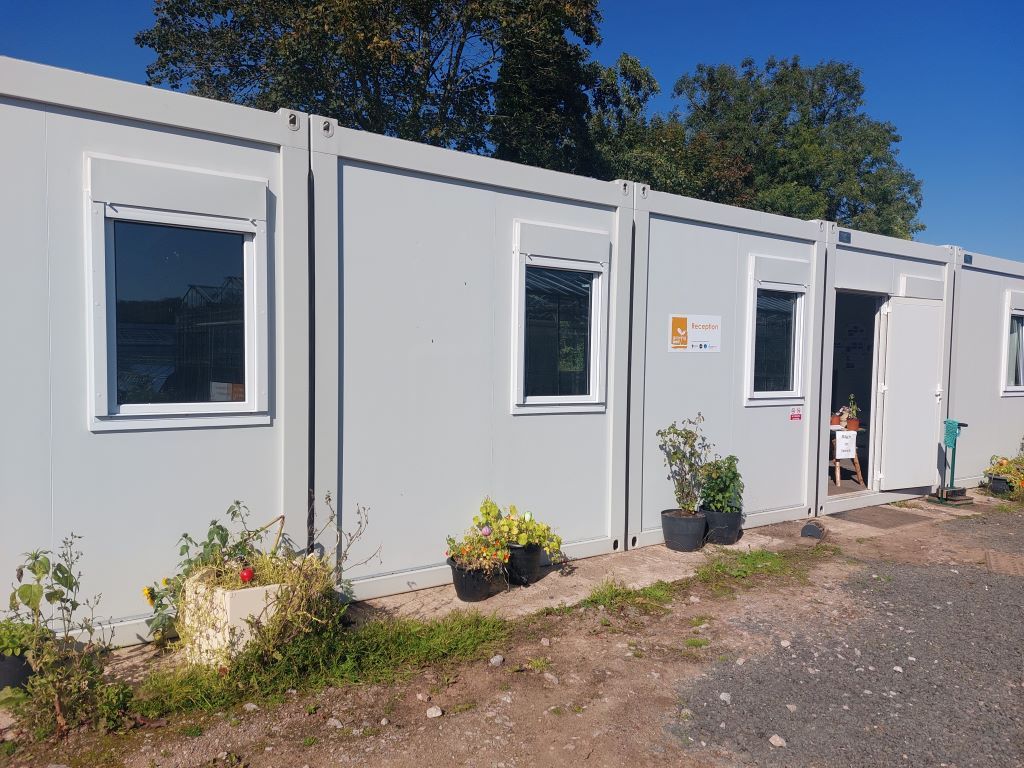
People from all backgrounds are welcome at the site, but those with a criminal background must have an individual risk assessment carried out so staff can understand the nature of the offence.
Referrals are decided upon on a case-by-case basis and the demand is so great in West Cumbria that there is currently a waiting list for the Egremont site – which covers referrals from Millom to Maryport.
Hannah said: “Growing Well is massive on the other side of the county where we started, but we’ve wanted to set up here for a long time, it’s just been a case of finding the right site.
“But we’ve really seen the need that is here for us, it is clear that West Cumbria has a mental health crisis. We’ve had dozens of referrals since we opened and around 26 of those have turned into people who regularly attend.”
What does mental health support at Growing Well look like?
The mental health support programme at Growing Well typically lasts around six months to a year.
People who are part of the programme – known as core volunteers – attend once a week during this time and follow a daily schedule.
A free bus is also put on for areas where a high level of need is identified. In West Cumbria, a bus is put on from Maryport that also travels through its neighbouring towns.
The typical schedule at Growing Well sees the day split up into non-pressurised sections:
- 9.30am – morning briefing and activities
- 10.45am – break
- 11am – meeting that features the vegetable joke of the day, a welcome to new volunteers or visitors and general overviews on how things are going with selling produce and getting people involved
- 11.15am – activities
- 12.30am – lunch, which is provided for free and eventually will be cooked on site using produce grown in the grounds
- 1.10pm – activities
- 2.10pm break and filling in the horticultural skills log which keeps track of what skills volunteers are working on
- 2.30pm – activities
- 3.40pm – tidy up and finish for the day
Hannah said that most people have no gardening experience when they first join Growing Well and that they are able to build skills in horticulture over time as part of the programme.
She added: “When they join, they do one full day a week from 9.30am to 4pm. The day is a mixture of activities and breaks and our volunteers work towards specific goals while they’re with us.
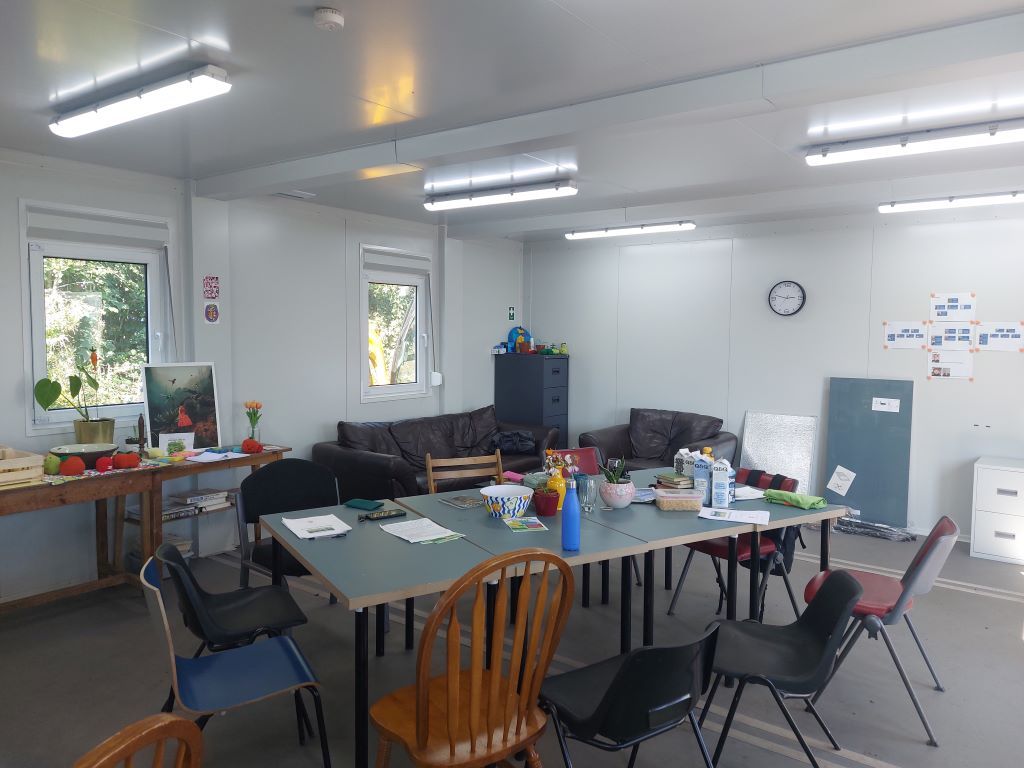
“We have a clinical psychologist who is part of our board, so everything we do is created with clinical expertise, but it’s not delivered in that way.
“The first six weeks is a settling in period and letting them see if it’s right for them, and every two weeks they do a wellbeing survey which lets us see how they’re doing and feeling.
“The journey is always up and down because that’s mental health, so it lets us see what is working but also lets us see if someone is having a bad time and needs a chat or needs extra support.”
Safe space at Growing Well
Once volunteers settle in, they then work on creating specific goals they want to work towards with the site’s mental health co-ordinator.
The goals can be anything and don’t have to be mental health oriented, and may range from aiming to learn about horticulture to increasing confidence or taking part in team building to increase social interaction.
Hannah said: “Goals don’t have to be super mental health oriented, but for some people setting a goal can like ‘I don’t want to self harm when I come to Growing Well’ or ‘I don’t want to eat lunch, but when I come to Growing Well, because I’m active, I know I need to eat something small.’
“We’re not fixing people, but we’re helping them activate their own recovery and giving them a safe space so they can go on that journey to recovery.
“We’re not councillors, but what we are is trained professionals that are here to provide activity goal based intervention.
“So to do that, our mental health co-ordinator will liaise with our activity leads, who look after our volunteers while they’re going about their day, and give them ideas of what situations they can orchestrate to help people work towards their goals.”
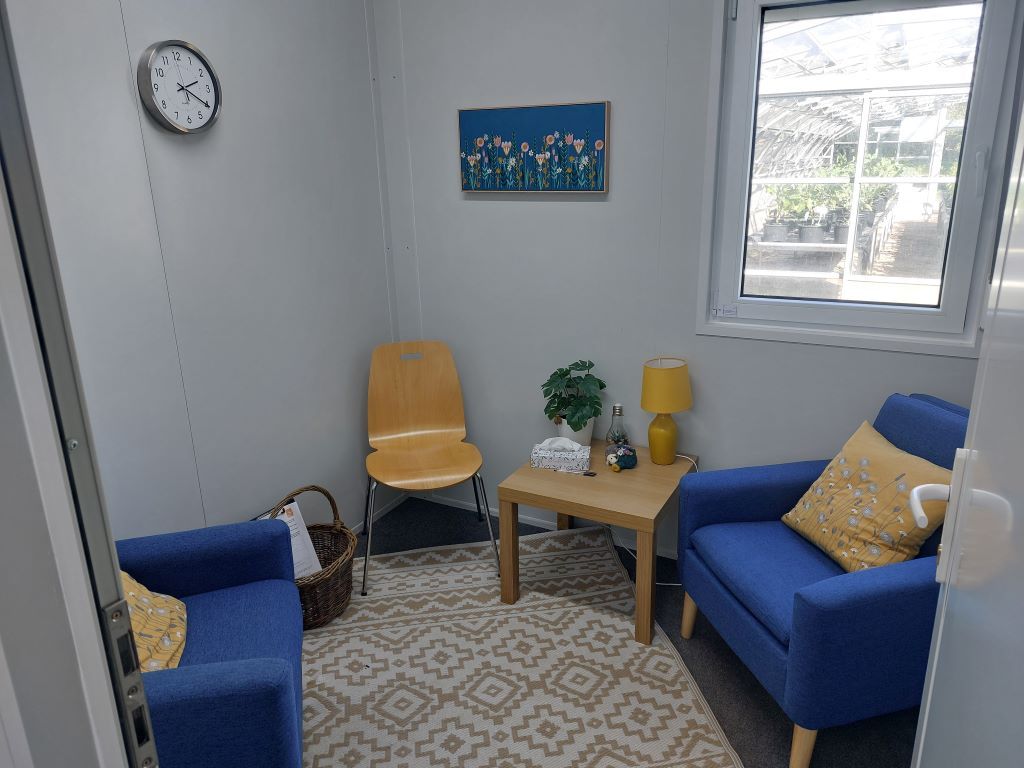
While volunteers work within a group setting, Hannah said the details of the mental health struggles people are facing are kept between the mental health co-ordinator and the office co-ordinator – unless an individual wants to disclose what they’re going through to others.
She said: “I think it’s important to know that we try to be as non-judgemental as possible and we have a rule here that nobody knows what your diagnosis is unless they disclose it themselves.
“If a volunteer requires a risk assessment, the rest of the staff are involved, but otherwise, we don’t need to know.
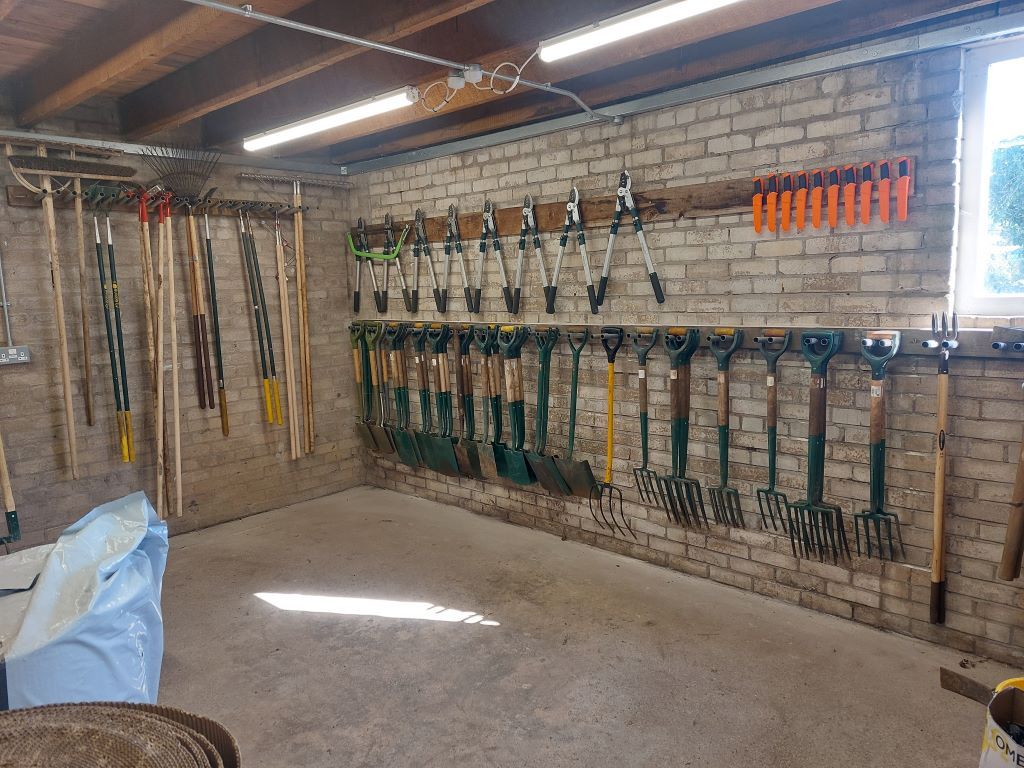
“Everything we use is also risk assessed on site including the sharps and power tools so the activity leads can safely use them. We do have people who self harm on site, so everything is as organised as possible.
“But everyone has a form of internal judgement and bias, if we can put everyone on the same playing field, it’s much better and more inclusive.”
Full experience for volunteers
Hannah added that the programme is year-long to give volunteers a full experience of the changing seasons on site.
She said: “The programme is fixed in length so it can be measured all year and volunteers get to see all four growing seasons, which is part of life.
“You see the success and failures and go through summer periods and see lots and winter where there isn’t as much so we do crafts and maintenance and you adapt to that and build confidence.
“It also gives people a sense of purpose and empowers them. Often people seeking support are vulnerable people and that doesn’t change here, but they do become an empowered person that is given support.
“In our daily meetings we go through things that are going well and talk about how much money we’ve made or what we’ve sold and it gives people a buzz that they’ve made that happen with their own hands.”
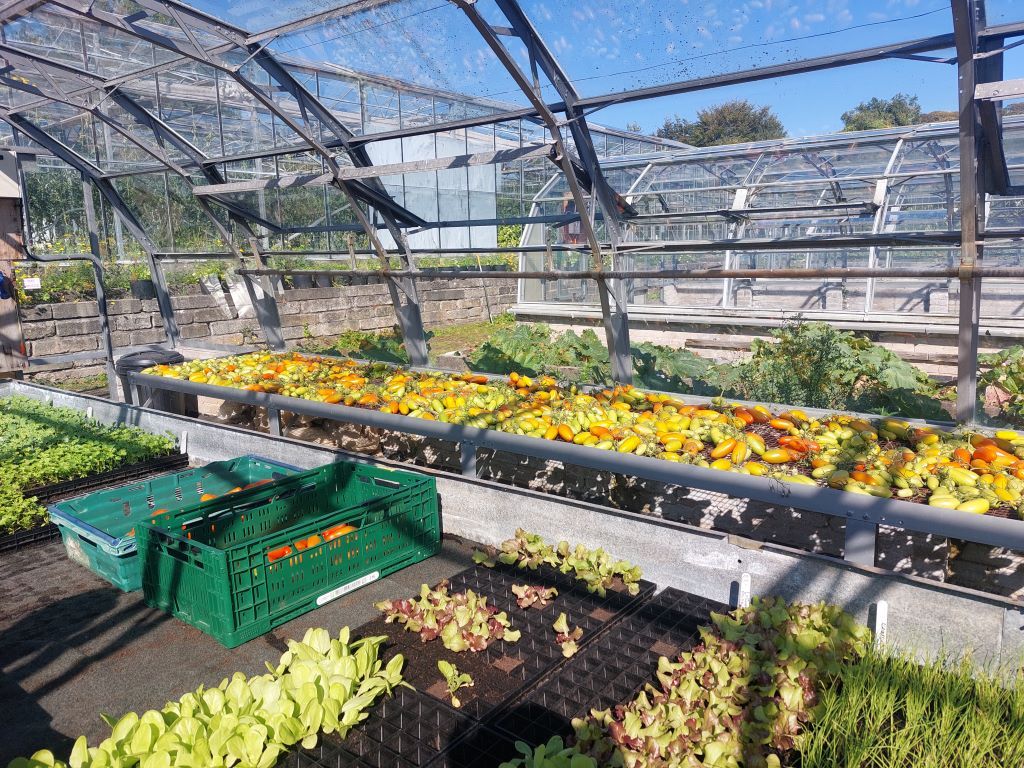
Volunteers are also provided with full equipment including waterproofs and steel toe cap boots.
Hannah said: “People with complex mental health needs often don’t have routine or structure, so having that when they come here gives them a sense of purpose and meaning and a reason to get up in the morning.
“You can see week to week the progress they make and they do have setbacks, mental health is not linear at all, but it’s about not pressuring them and letting them take a break and work to meet their needs.
“You also get to see the general delight in a lot of volunteers when they plant a seed one week and the next week its germinated.
“We also had two volunteers chair a meeting, which is a massive step forward and two bring the vegetable joke of the day, which seems small, but is massive.
“A lot of people also just want to open up when they’re out on the field, and that’s really great.”
Can people without mental health problems get involved at Growing Well?
There are four different kinds of volunteers at Growing Well who work alongside the paid staff at each site.
The first is the core volunteers who are being supported by the programme, the second is beneficiaries or corporate volunteers, who help fund the site, the third is support volunteers who are DBS checked and trained in first aid and safeguarding and help assist the core volunteers and the fourth is local resident volunteers.
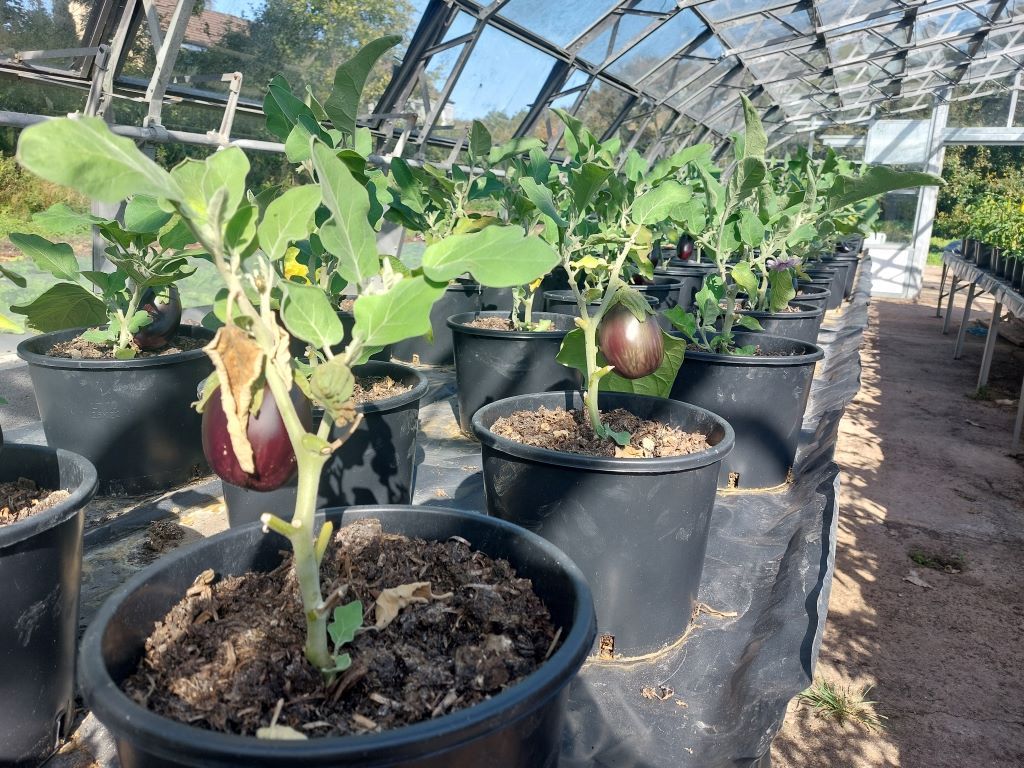
Local resident volunteers help keep the site running by giving up some of their free time to help when the site opens to the community one day a week.
Anyone can attend, but people are encouraged to get in touch via email to show their interest and let the team know they want to come help.
Can I buy the vegetables grown at Growing Well?
Growing Well sell the vegetables grown by volunteers in a few different ways.
While produce cannot be bought directly from the Egremont site – it can be bought from local shops like Marion’s and K Kinsella and Daughters wholesalers in Whitehaven and the site’s crop share scheme.
Hannah said: “While we’re a registered mental health charity first and foremost, we’re also a commercial growing enterprise and any one of our sites is the biggest veg wholesaler in Cumbria.
“Everything we do is grown from seed and Kendal has its organic certification because we’re all pesticide free, we’re just waiting for our official label here in Egremont.”
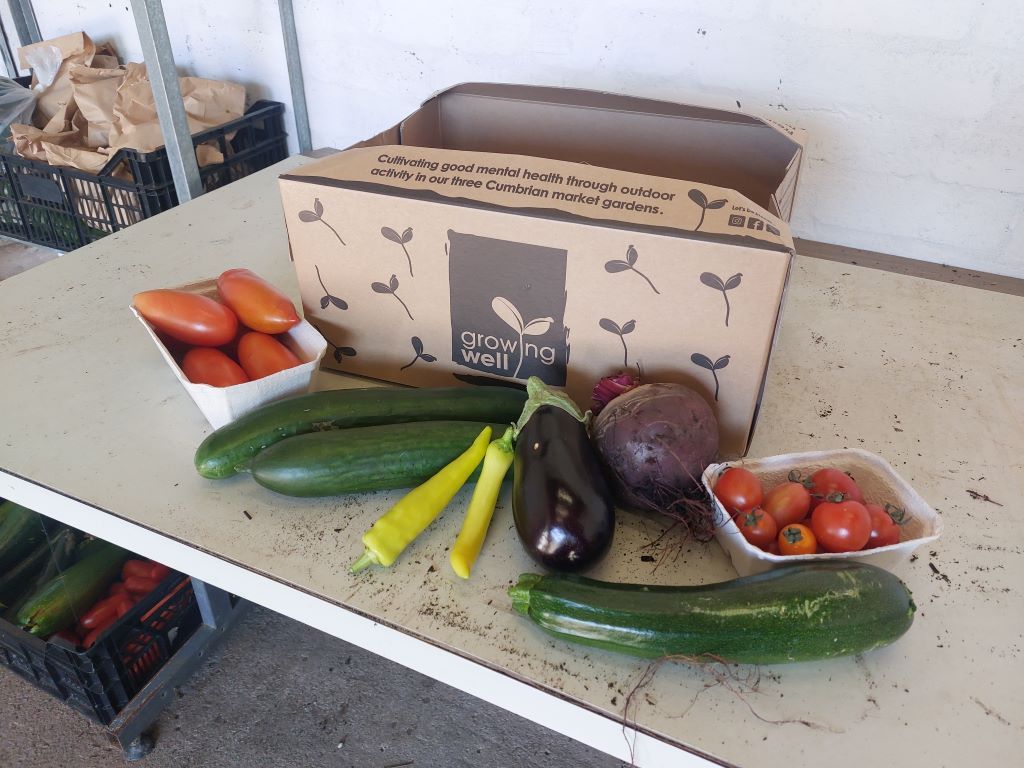
The site’s crop share scheme sees it create 80 to 100 seasonal veg boxes per week for customers across West Cumbria.
The scheme runs from around 35 to 40 weeks of the year and reflects the seasonality of the growing year.
From June to December, boxes are weekly and every three to four weeks in January to March and fortnightly in April and May.
There are several collection points across the area for people to pick up their boxes including Muncaster Castle, Yam Frae Yam, The Gather in Ennerdale and the Egremont site itself with a Whitehaven collection point on the way.
The crop share boxes become ready for collection every Thursday at 4pm and include at least eight items that are suitable for two to three people.
Hannah said: “Our hope and aim is to have half our boxes subsidised so we can give them for free to families in need, as the demographic here in West Cumbria is very different to Kendal.
“BEC were first to sponsor our boxes, so we got in touch with Orgill Primary School and asked them to identify some in need families.
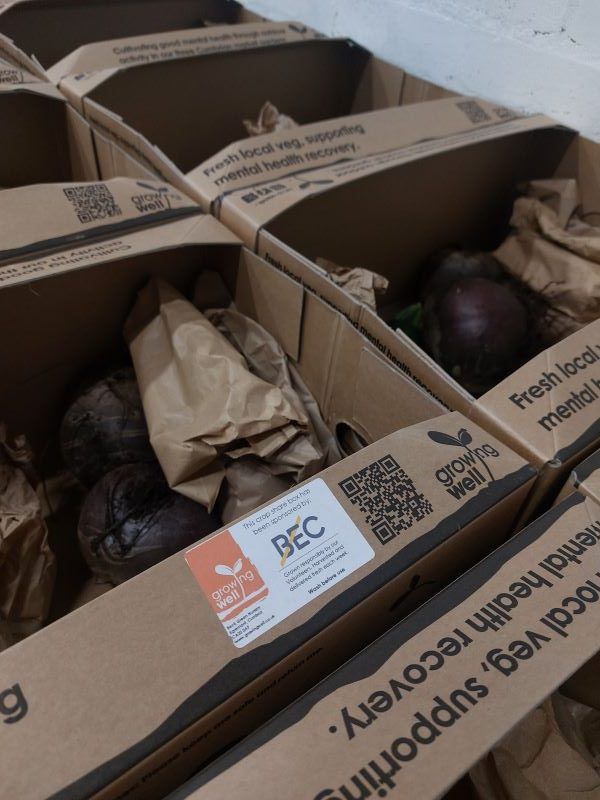
“Councillor Sam Pollen has also sponsored a year’s supply of boxes for Calderwood House, which is great.”
Emails are sent out on Thursdays to customers to let them know what veg they will get in their box and the team are hoping to add recipes to boxes in the future.
Hannah said they are also hoping to host recipe demonstration evenings with Dosa Chaska, who offer authentic Indian food from their food van in Cumbria, to fundraise and get crop sharers more involved.
Can local businesses get involved?
Growing Well is a charity that relies on grants and fundraising – so support from local businesses is always welcomed.
The site has so far had several corporate volunteers who have helped build it, including Jacobs, the NDA, Altrad and William King.
Hannah and the team at Egremont are now looking to involve businesses in different ways alongside traditional grant funding with initiatives like sponsoring crop share boxes or supporting the site.
Hannah added: “We’ve had a lot of great people send teams down and help us build the site.
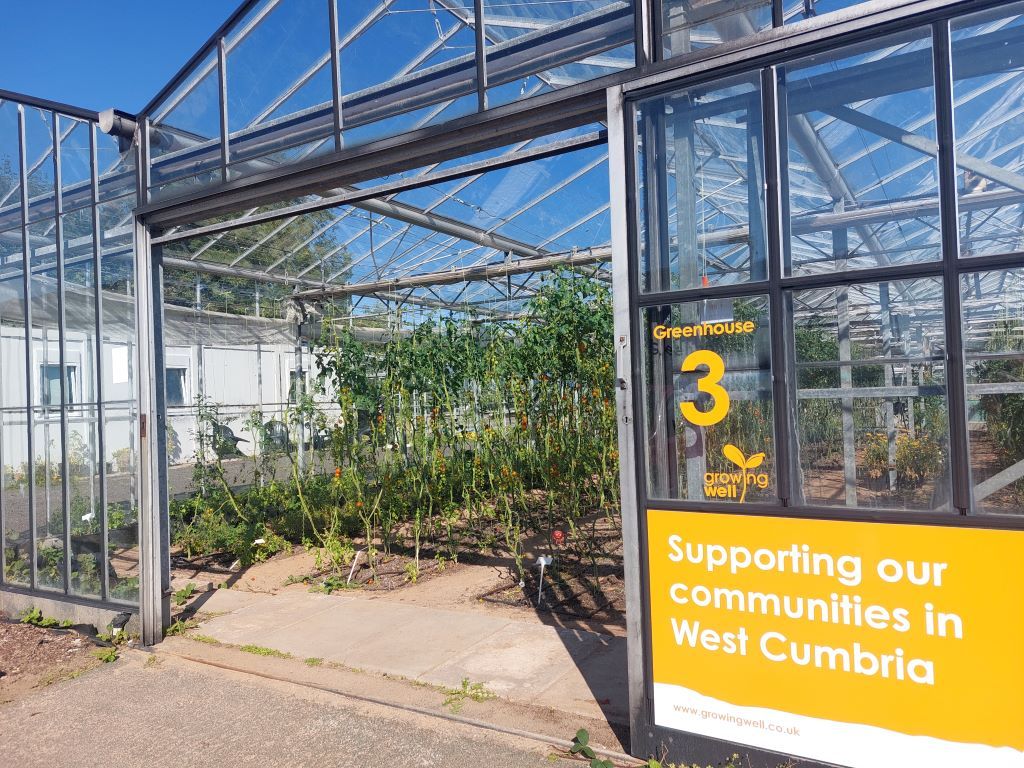
“It’s great for social impact commitments and we’re piloting a new scheme called adopt a plot, so William King sponsored our first greenhouse and people can sponsor a bed and know their money is going to something making a real difference in the area.
“Everything for us is a funding battle and it is tiresome, but the big overall aim is to be commissioned by the NHS and work with bigger organisations like Sellafield and their occupational health teams.
“Around 10 per cent of workers can be off sick any one day and half of that is often mental health related.”
Funds raised by each Growing Well site are restricted to each site for use and beneficiaries are welcome to visit the site before getting involved.
Why did Growing Well set up a site in Egremont?
Growing Well started 20 years ago in Kendal and came to Egremont in January this year.
Hannah said the charity has always wanted to open a site in West Cumbria and has been looking for a suitable plot of land for several years.
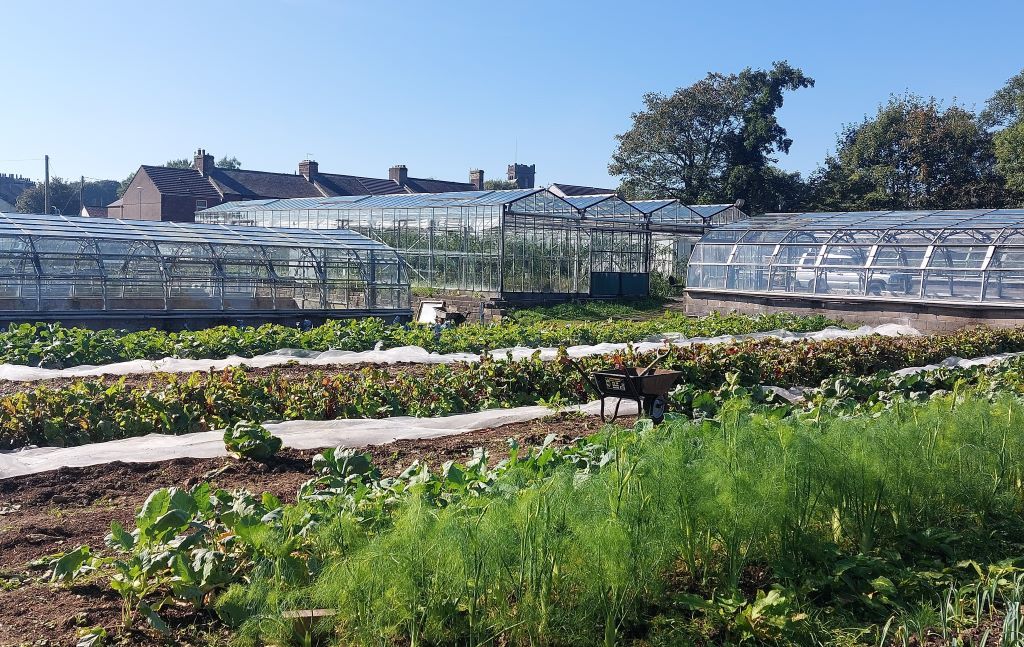
The site was formerly an old council nursery, where flowers were grown for local high streets. The nursery closed in 2010, and was left dormant for years.
Teams of corporate and community volunteers came together to help clear the site, which was full of weeds, asbestos and issues with its gas and electrics.
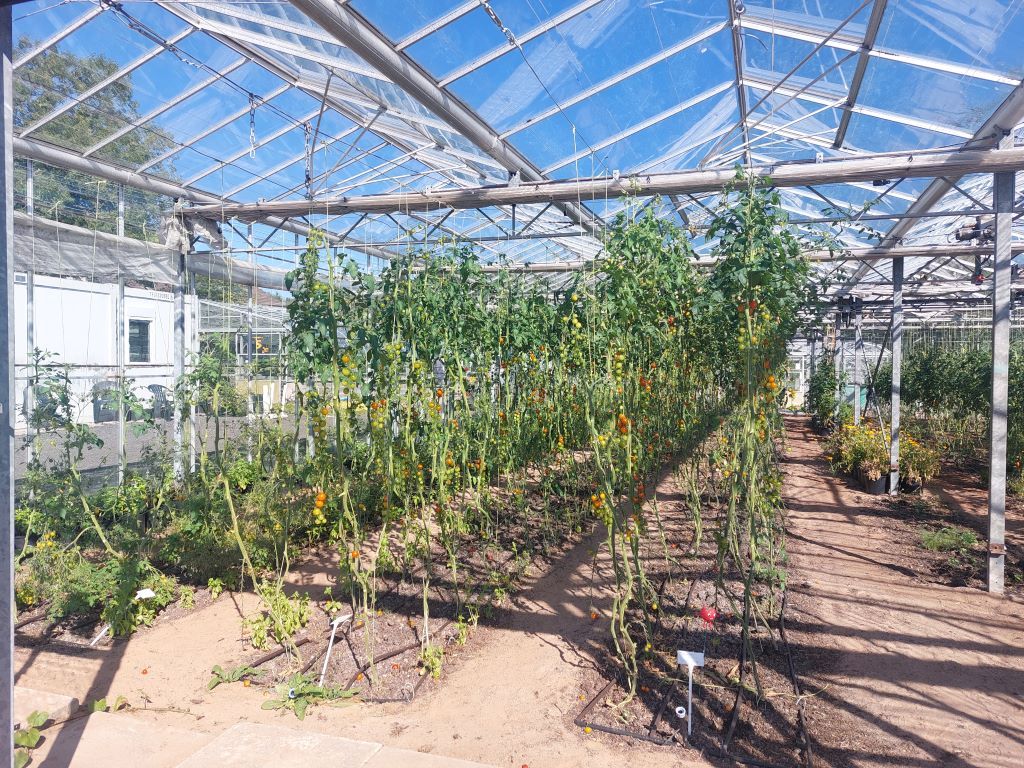
Despite the problems – the site still had its two large greenhouses intact for the charity to repurpose.
The new Egremont site is now set to celebrate its official launch this week after a successful first year of running.
It was initially funded by Copeland Community Fund, The National Lottery Community Fund and the NDA, which provided £600,000 to set up the site and is now looking for other businesses interesting in getting involved and supporting the site and its programme.
Growing Well has two other sites in Cumbria in Kendal and Tebay.
For more information on how to get involved or join the Growing Well programme, click here.