Ah recycling – it’s a simple enough concept, but in practice, it can occasionally throw you a few curveballs.
A lot of the time, it’s not as simple as just separating out tin cans and cardboard, it’s actually quite easy to get recycling wrong.
In the former Barrow Borough Council area alone, an FOI lodged by the Local Democracy Reporting Service this year found that 41.5 per cent of kerbside recycling collections were rejected and sent to black bin waste processing between April 2023 to March 2024.
The recycling was rejected due to being contaminated or unsuitable for processing – which typically looks like putting the wrong things out for recycling collection, or putting out recycling covered in food or other kinds of waste.
It compares with only 2.7 per cent being rejected in the former South Lakeland area and 3.1 per cent for the former Eden area.
So, how do you recycle properly? Can you recycle an aerosol can? What about broken glass cookware? Or foil crisp packets? Could you recycle your toaster in your kerbside recycling bins?
Not sure? Don’t worry, there are quite a few myths to bust around what can and can’t be recycled.
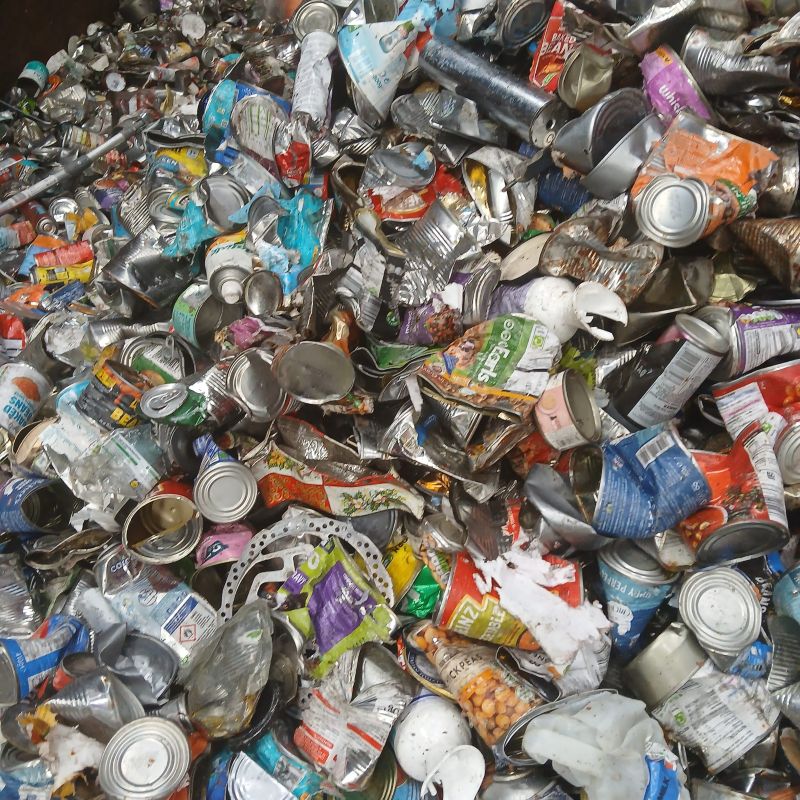
So, what can’t I recycle?
Across Cumbria, kerbside recycling methods vary.
In Allerdale, glass, cans and plastic go into the green bin or black box and paper and card go in the blue lidded wheel bin or green hessian sack.
In Copeland, paper and card go in the blue lidded bin and cans, glass and plastic go in the red lidded bin.
In Carlisle, recycling is done in bags, but this will change to recycling bins in May 2026. Currently, bag one is for paper and card, bag two is for plastic, and the recycling box is for glass and cans.
In Barrow, mixed glass goes in a red recycling box and cans, foil, plastics, paper, card and cartons go into a red 240 litre bin.
In Eden, recycling is done in a green plastic box for cans, tins and glass and aluminium foil. Two green canvas bags are also given, one for paper and card and the other for hard plastics.
One of the green canvas bags is for paper and card and the other green canvas bag is for hard plastics.
In South Lakeland, recycling is done in one blue recycling bag and two blue recycling boxes.
One of the blue recycling boxes is for paper and card and the other blue recycling box is for glass bottles and jars.
There are several items you might think you can recycle but that actually cannot be recycled.
For paper and cardboard, you can’t recycle:
- Paper that is stained/dirty with food, grease, paint or dirt
- Used paper towels, tissues, wet wipes/cotton wool/ makeup pads
- Sticky paper – this includes things like sticky notes and sticky labels
- Foil based gift wrap or bags
- Wallpaper
- Cardboard or card that is stained/dirty with food, grease, paint or dirt – this includes things like takeaway containers like dirty pizza boxes or chip boxes
- Glittery cards
- Face masks
- Waxy paper
- Polystyrene
- Dirty or unclean paper or card
- Takeaway cups
In plastic, glass and metal, you can’t recycle:
- Plastic film
- Plant pots or seed trays
- Plastic bags
- Dirty or unclean items
- Disposable gloves
- Bubble wrap
- Children’s toys
- Pyrex
- Ceramics
- Broken glass, including panes of glass, glass cooking pots and drinking glasses and mirrors
- Kitchen foil
- Nappies
- Light bulbs
- Toothpaste tubes
- Paint pots
- Chemicals
- Explosives
- Batteries
- Ink cartridges
- Nail varnish bottles
- Vases
- Black plastic
- Laminated pouches (for example, baby or cat food)
- Medicine blister packs
- Cling film
- Plastic cups, lids and straws
- Crisp packets and sweet wrappers
Okay, so what can I recycle?
In your cardboard and paper bin you can recycle empty and clean:
- Newspaper
- Letters and envelopes
- Leaflets and flyers
- Shredded paper
- Clean card or cardboard
- Liquid carton packaging, used for things like non-dairy milk, passata and juice
- Greeting cards
- Magazines and catalogues
- Cereal boxes
- Egg boxes
- Other cardboard containers (large packaging should be flattened)
In your metal, glass and plastic bin, you can recycle empty and clean:
- Glass bottles, including non-food (things like perfume bottles)
- Glass jars, including lids
- Plastic pots (for things like yoghurt and soup)
- Plastic tubs (for things like butter and ice cream)
- Plastic trays/punnets (please remove film lids and absorbent pads)
- Plastic bottles (for things like milk and juice, cleaning products, shampoo) – but pumps and triggers should be removed
- Plastic screw top bottles (make sure you remove tops and recycle separate)
- Drinks cans and food tins
- Biscuit/chocolate tins (including lids)
- Aerosols (but they must be empty)
- Clean aluminium foil and foil trays
- Jar lids
Why on earth can’t I recycle a pizza box?
In Cumbria, if your pizza box or takeaway container is covered in grease, cheese or any other kind of food waste, it is not recyclable.
It’s classed as ‘contaminated’ because food waste can cause serious problems when recycling is sent away to be processed.
If that cardboard were to be broken down for reuse, it would be impure due to yeast growth which impacts paper quality and effectively makes it worthless.
Stray food waste that gets into our recycling can also contaminate clean recycling and render it unable to be used.
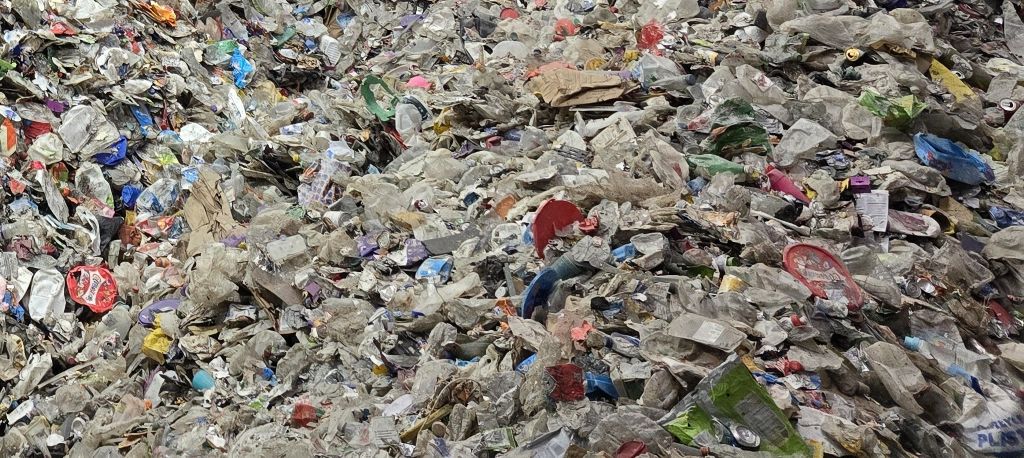
I feel like washing my recycling is a waste of time, why do I have to do it?
Washing your recycling – like glass pots, containers or anything else that has come into contact with food – is really important.
Containers must be completely empty and free of food waste or they can contaminate and damage other recycling with bacteria growth.
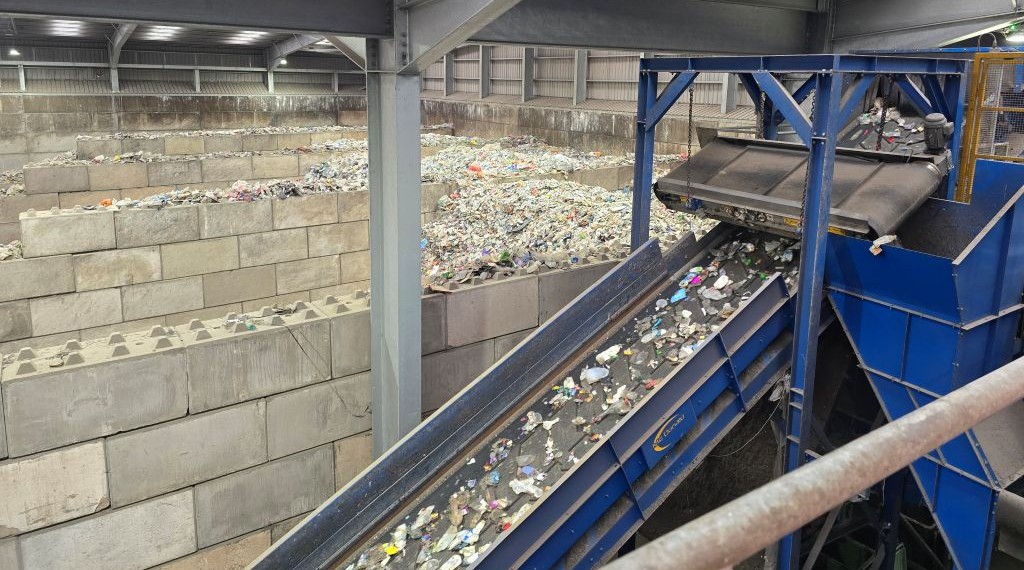
Recycling cannot be cleaned at a processing centre, as centres in Cumbria process over 90 tonnes of recycling per day.
If say a glass were to be recycled covered in pasta sauce – when broken down, it would cause the glass to be impure and would have no value for recycling it back safely into something else.
Washing your food containers creates a better-quality product for reprocessing and also makes sure your recycling doesn’t get sent to general waste.
Does it make much of a difference for me to sort and separate my recycling?
Sorting and separating out recycling makes a huge difference to the people collecting it.
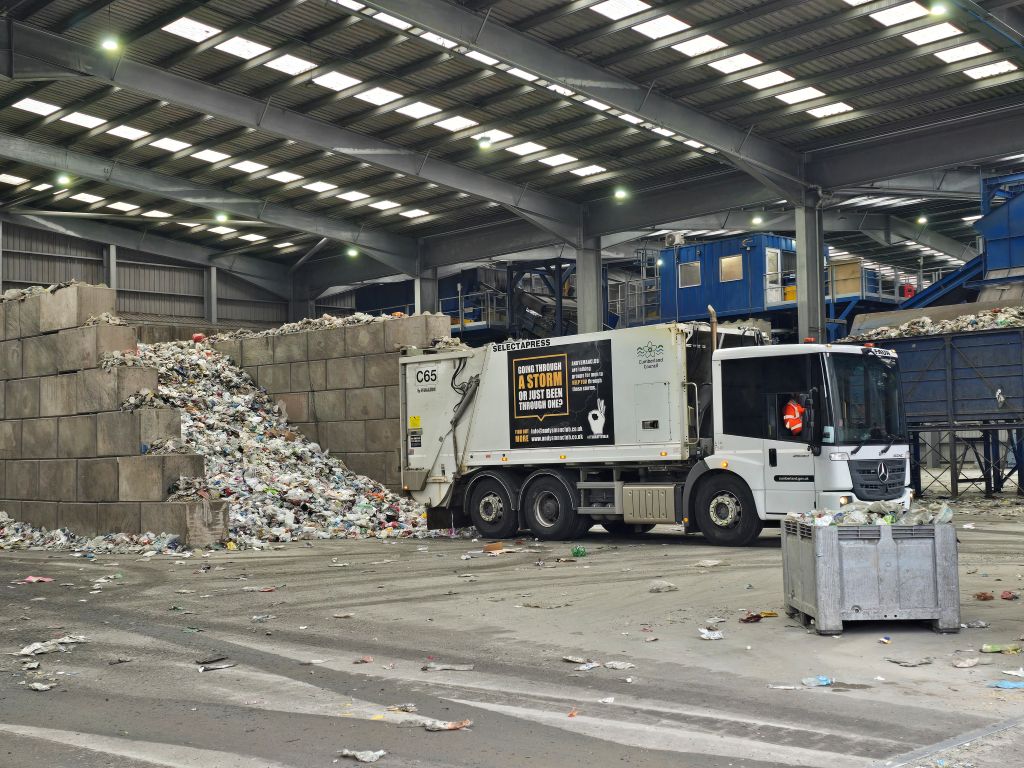
Modern refuse collection vehicles have separate compartments in which to empty recycling for transport – from a distance, this can look like it’s all going into one compartment.
While sorting does take place at the county’s recycling centres, doing at home really helps the people facing our waste every day.
If your recycling is visibly contaminated, covered in food, or full of objects that shouldn’t be in there like toasters or deckchairs, then it may be thrown into general waste
What happens to contaminated recycling?
Contaminated recycling – anything covered in food waste or full of objects that shouldn’t be in recycling – is rarely salvageable.
It is normally sent to general waste processing or in the worst case it can be diverted to incineration or if it is a bulky item that doesn’t belong in your kerbside recycling, landfill.
If I can recycle an aerosol can, what about other forms of compressed gas?
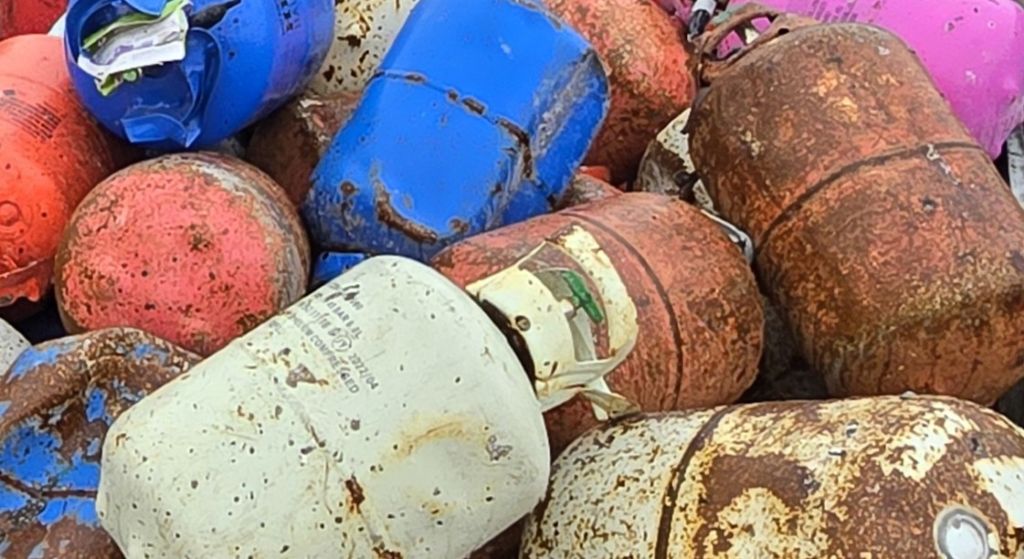
Aerosol cans can be recycled as long as they are empty, if they are half full, make sure you empty them, but don’t pierce or crush them.
Things like gas camping stoves however, cannot be recycled safely from home and must be taken to your local Household Waste Recycling Centre.
Household Waste Recycling Centres in Cumbria process around 55,500 tonnes of recycling each year.
Some outdoor stores also offer ways to recycle camping gas canisters.
Gas canisters of any kind should not be placed in waste or recycling.
Most gas bottles can be returned to suppliers for refill and reuse – so it’s worth checking out where your gas canister has come from.
Throwing them away can cause fires or explosions and can put real people at risk.
Metal can also be recycled an infinite number of times – so it’s always worth recycling your tins and cans.
I’ve heard not all plastic can be recycled, is that true?
Things like polystyrene, plastic wrap and bags, black plastic, toothpaste tubes, cling film, bubble wrap, plastic lids, plant pots and seed trays, cups and straws cannot be recycled in Cumbria.
Some plastic bags and wrapping can be recycled at supermarkets, so it’s always worth checking out the website or asking at the store where you shop.
Crisp and sweet wrappers also cannot be recycled unless they are foil wrappers – so always check the back of the packaging.
Can I recycle things like a toaster or deckchair in my kerbside recycling?
Kerbside recycling is only designed for things like paper, card, cardboard, cans, tins aluminium foil, glass and plastic.
Large objects like toasters or deckchairs must be taken to your local Household Waste Recycling Centre.
If you try and throw away a larger object it can cause issues for workers at Cumbria’s recycling processing centres.
If a deckchair accidentally ends up on a conveyor belt in the processing facility, it can bring the entire facility to a stop for up to an hour.
What about vapes and batteries? Can I recycle them?
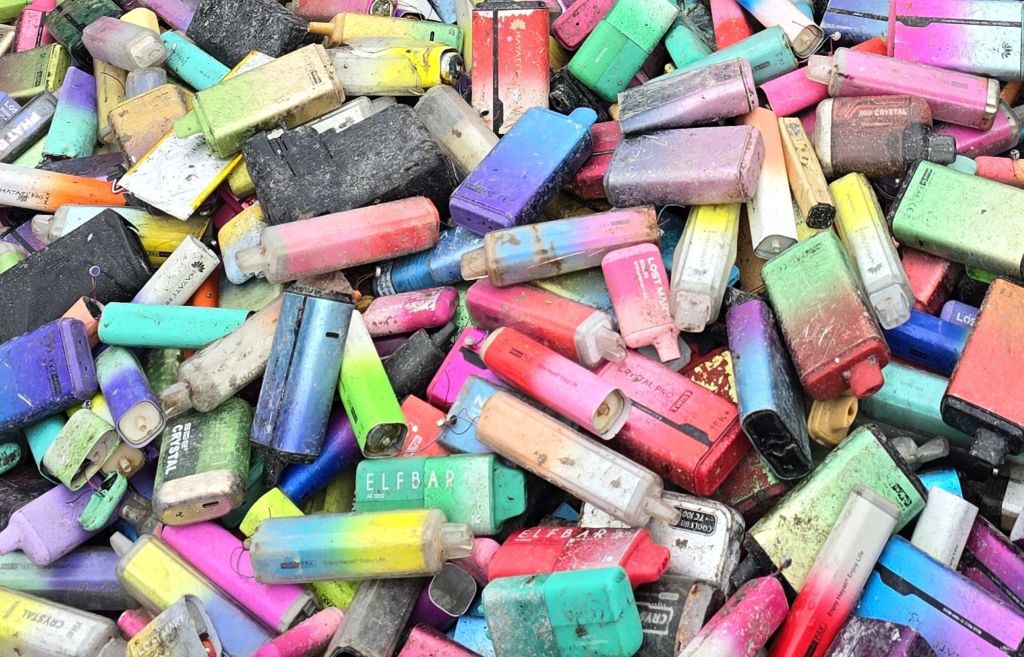
Vapes and any form of e-cigarette should never be put in recycling or black bin waste.
Because these items contain lithium ion batteries, they are prone to starting fires or exploding.
Several incidents have been recorded of vapes and batteries starting fires in refuse collection vans and on site at Cumbria’s recycling and black bin waste processing centres.
Typically, it’s the waste treatment process that can cause the vape or battery to suddenly ignite.
In total, around 3.2 million batteries are thrown away in Cumbria every year.
Vapes and batteries can be disposed of in shops at designated drop zones and several vape retailers will also offer recycling options.
If you’re struggling to find somewhere to get rid of your vapes and batteries, collect them over time and take them to your local Household Waste Recycling Centre.
Read more here about recycling your vapes, batteries and e-cigarettes.
What about garden waste?
Garden waste is taken to a composting site, where it is turned into nutritious soil conditioner.
In your garden bin, you can dispose of:
- Leaves
- Hedge cuttings
- Dead flowers
- Weeds
- Prunings
- Grass cuttings
- Christmas trees- remove all decorations and ensure they are cut small enough to fit into the bin with the lid closed
- Twigs and small branches
You cannot dispose of:
- Soil, stones or rubble
- Food waste – including any fruit and vegetables
- Glass and metal
- Plastic, paper or card
- Dog waste and cat litter
- Nappies
- General household waste
- Plant pots
- Animal faeces and bedding
To prepare your garden waste for collection, you should shake off as much soil as possible.
If your bin is too heavy, it could break and end up in the back of the lorry.
Do not bag up waste as plastic will contaminate it.
People should:
- Make sure the bin lid is closed
- Not compact the bin
- Make sure the bin is not heavy
- Shake off as much soil as possible
- Not bag your waste – any plastic will contaminate it
What can I take to a Household Waste Recycling Centre?
If you’re struggling to dispose of a bulky item – your first point of call should be your local Household Waste Recycling Centre.
There are 14 in total across the county – seven in Cumberland and seven in Westmorland and Furness.
HWRCs accept the following waste:
- Asbestos – but you should contact the site before you visit
- Batteries – including car and household
- Bicycles for reuse
- Books
- Cans
- Cardboard
- CDs and DVDs – but try send these to charity or second-hand shops where possible
- Chemicals such as weedkiller, paint stripper or oil-based paint – but take them straight to staff when you arrive on site
- Clothes and textiles – but try take these to charity or second-hand shops where possible
- Emulsion paint and dry empty metal paint cans – oil based paint should be reported to staff and stored with chemicals
- Fluorescent tubes
- Foil
- Fridges and freezers
- Furniture including upholstered seating, sofas, office chairs, mattresses, carpets and rugs
- Garden waste
- Gas bottles
- General household waste
- Glass
- Plasterboard – but you should call first to confirm that there is enough space
- Hardcore and rubble
- Large appliances, such as washing machines and ovens
- Newspapers and magazines
- Plastics, such as household bottles, tubs and food trays
- Scrap metal
- Small appliances, such as microwaves, toasters, vacuum cleaners or battery powered toys
- TVs and monitors
- Tyres
- Used engine oil
- Wood and timber
- Vapes
Items that are not accepted at HWRCs include:
- Trade waste
- Clinical waste – like used needles
- Acetylene
- Boat flares
- Car air bags
- Fireworks
What if I can’t get to a Household Waste Recycling Centre?
Both Cumberland & Westmorland and Furness councils offer bulky waste collection for a fee.
If you have a bulky item that is in good condition, sending the item to a charity shop is a good idea for reuse.
Items that can be collected include:
- Armchair
- Bed frame or base
- Bedside cabinet
- Cabinet unit
- Carpet (roll)
- Carpet off-cuts (bag)
- Chest of drawers
- Desk
- Dining chair
- Dining table
- Door (internal)
- Dressing Table
- Headboard
- Mattress
- Pram or pushchair
- Sofa
- Stairgate
- Stool
- Wardrobe (double)
- Cooker
- Computer
- Dishwasher
- Exercise bike
- Fire
- Fridge
- Fridge Freezer
- Freezer
- Lamp
- Lawnmower (electric)
- Microwave
- Small Electrical
- Tumble dryer
- TV
- Vacuum cleaner
- Washing machine
- Bath (not cast iron)
- Glass items (tempered glass)
- Highchair
- Ironing board
- Kitchen unit
- Lino or vinyl (roll)
- Mirror (double wrapped)
- Pedal bin
- Radiator (not cast iron)
- Shower
- Sink
- Toilet
- BBQ
- Bench
- Bike
- Outdoor toys
- Fence panel
- Garden tools
- Gate
- Ladder (less than 8 foot)
- Outdoor furniture
- Small shed (dismantled)
- Trampoline (dismantled)
- Wheelbarrow
Items Cumbria’s councils will not collect include:
- Asbestos (as hazardous)
- Bags of waste
- Bath (cast iron)
- Boiler
- Car battery
- Doors (external
- Lawnmower (petrol)
- Oil tank
- Piano
- Plasterboard
- Radiator (cast iron)
- Strip Lights (as it is hazardous)
- Storage Heater
- Sunbed (as it is hazardous)
- Water tank
Councils will refuse to take broken-down items that contain nails or sharp pieces that could injure operative.
Foam or padding cannot be visible on sofas. Repaired objects will also not be taken, including damage, tape, plastic or bagged damaged items.
If you’ve got a badly broken bulky item – it’s best to find a reputable service online who will collect the item and take it to a HWRC, or if the item is in good condition, consider donating it to charity.
It’s important to remember councils will also charge £35 for the disposal of up to three bulky items.
Bulky waste collection can be organised online with the council covering your area.
If your item is too big, bulky or heavy to be removed, the council’s teams should photograph it and follow up with you to help you figure out your next steps.
Assisted collection is also available to those with a genuine need for support due to either a short-term health issue or longer-term or permanent disability.
It is also available for people who may need some support managing their bins due to the increasing frailty of older age.
You can apply for assisted collection online for Cumberland here and Westmorland and Furness here.
Still trying to figure out if your recycling makes a difference in Cumbria? Read more here.