Plans to release beavers into the wild in West Cumbria have taken a step forward.
Forestry England has been invited to progress its application for the beavers to be released into the Ehen and Calder catchment area.
It wants to release 30 adult beavers – likely as 15 pairs – with any additional dependent kits or sub-adults in their family groups. The total number of beavers could be up to 50.
Five pairs or family groups would be released every year during the first three years of the project and it is hoped the first would be released in September 2027.
It wants to identify 20 release sites and said it aimed to connect with landowners and will set up a steering group and hold consultations to make sure as many people as possible can be involved.
Not all 20 sites would necessarily be used.
Hayley Dauben, species reintroduction officer for Forestry England, said there while this was a significant step, there was a long process to go through before permission may be granted.
Forestry England acknowledged that people may have concerns and fears about the introduction of beavers, which is why the application is a long process.
Hayley said: “We can identify issues and work out how to address them, people are concerned about dams causing flooding, trees being chopped down and erosion.
“These effects can be localised and beaver management is key.”
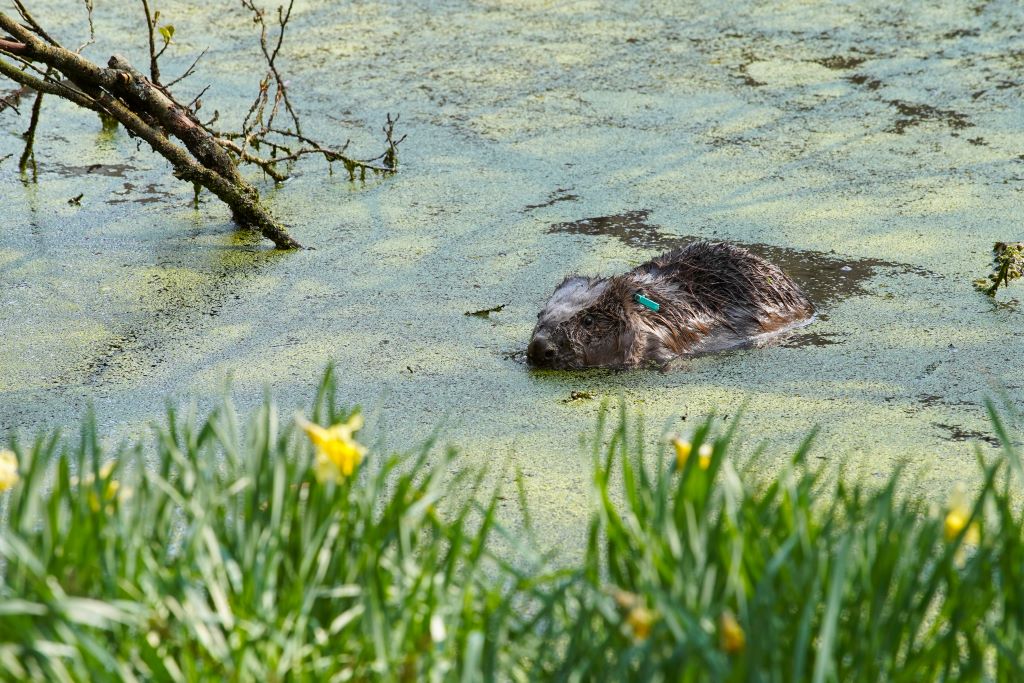
She said beavers, which went extinct in England in the 16th century, have huge benefits for the surrounding habitats and environment, including regulating water temperature and the quality of the water.
There is scant evidence that beavers lived in Cumbria, but while excavations were ongoing for the Carlisle ring road, a den was found that was thought to be around 1,000 years old.
Hayley said evidence was rare as the dens – or lodges – often did not survive due to their construction.
Beavers are a protected species in England and while individual animals can be removed from areas, entire populations cannot.
The organisation has wanted to release beavers into the Ennerdale Valley since 2019, but initial plans for a partial beaver enclosure had to be paused due to concerns about a proposed metal grille across the River Liza which may have deterred salmon and trout.
At the time, a release of the animals directly into the wild was not an option.
Successful beaver releases have since taken place in England and Scotland.
However, this year Natural England invited expressions of interest for a beaver release.
Forestry England submitted an outline proposal for a wild beaver release into Ennerdale, supported by other Wild Ennerdale partnership organisations – the National Trust, United Utilities and Natural England in May last year.
Its expression of interest was successful and it was invited to make a full application.
Forestry England want to make sure local communities, land managers and stakeholders are part of this journey from the start, and they’ll be engaging with people across the area as part of the application process throughout 2026.
Eurasian beavers are incredible ecosystem engineers – they create wetlands, boost biodiversity, improve water quality, and can even help reduce flood risk naturally. This is an exciting opportunity for Wild Ennerdale and the wider region.