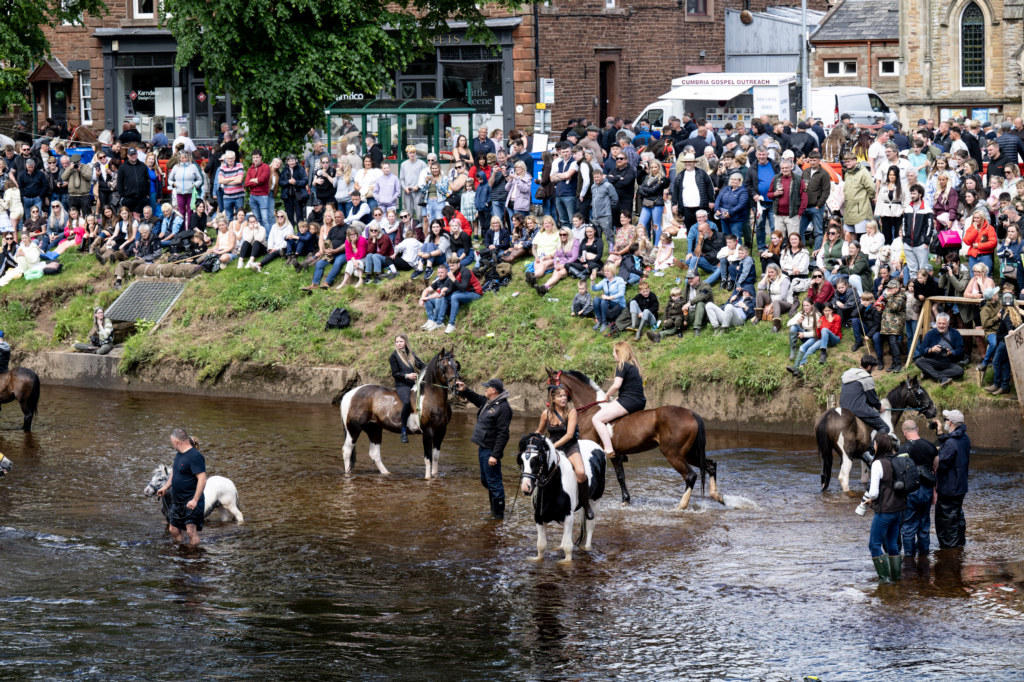
Thousands of people from the Gypsy, Roma and Traveller communities are gathering for the annual Appleby Horse Fair, writes Chris Jones.
Tens of thousands of visitors travel to Appleby each year, with up to 50,000 additional people expected in the town over the main weekend of celebrations.
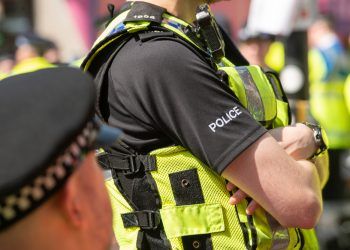
More than 200 officers are working over the weekend in what is one of Cumbria police’s biggest operations.
A key figure behind the event is Billy Welch, also known by his Romany name, Shera Rom, meaning Head Gypsy.
As the fair’s principal spokesman and one of its lead organisers, Welch works closely with local authorities to help preserve the event’s traditions while ensuring it remains safe and welcoming.
He said: “I’ve an excellent relationship with the council, police and all organisations.
“I work to keep the heritage of the fair and make it as welcoming and safe as possible.”
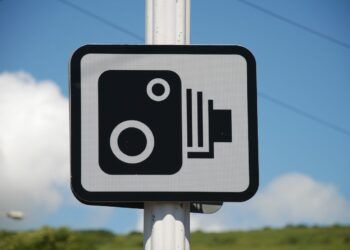
This year’s fair has also seen the introduction of live facial recognition cameras for the first time. The technology is being deployed by Cumbria police as part of the event’s security arrangements.
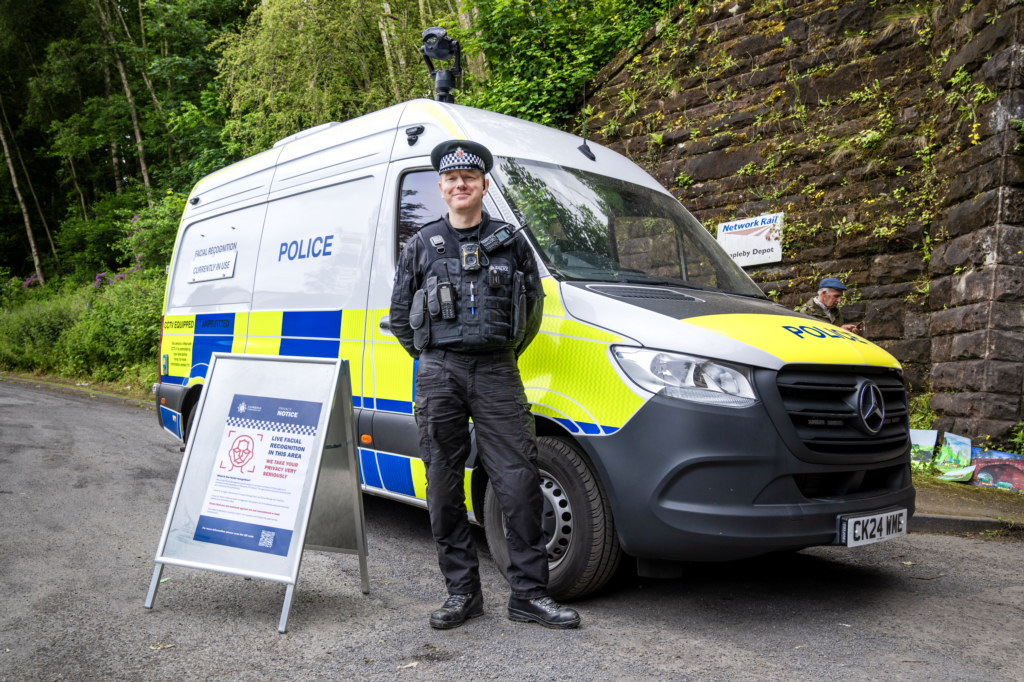
Billy said the use of facial recognition technology reflected wider changes in public life.
He added: “Every major festival, every large gathering like Appleby, if you go through the airport, they’ve got facial recognition.
“It’s just everywhere. It’s just a part of life now. And myself, personally, I’m not really bothered about it.
“The majority of Gypsies and Travellers don’t mind it at all. And if you’ve done nothing wrong, well, you’ve got nothing to worry about.”
Billy also reflected on the fair’s rich history and cultural significance.
He said: “We call today’s fair Appleby New Fair, and this year we are celebrating 250 years.
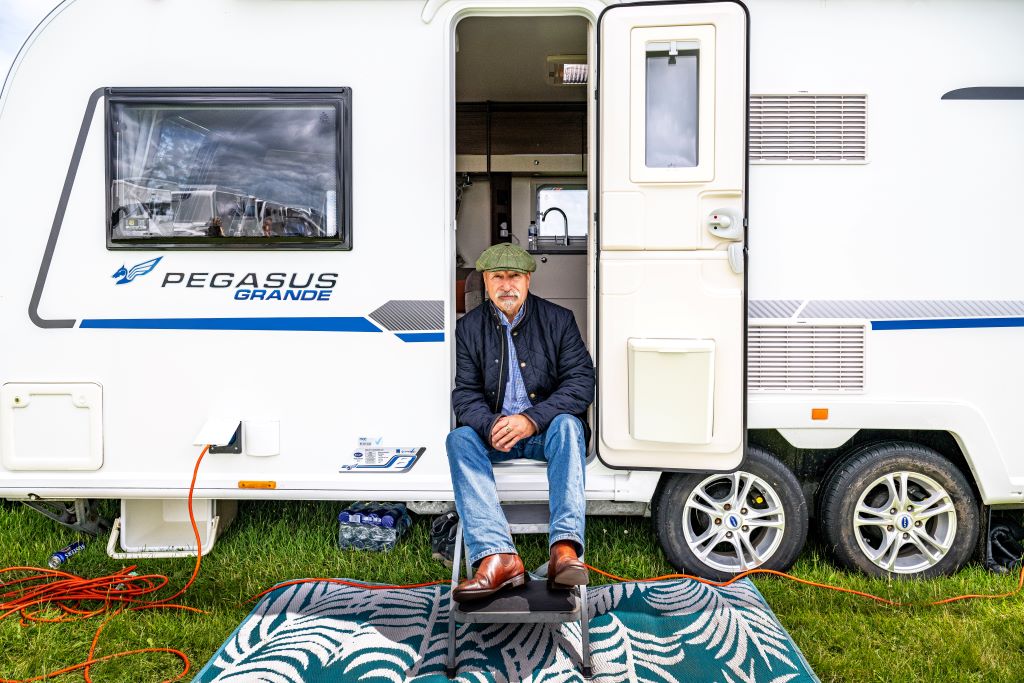
“However, there is a charter dating back to 1685 and references to fairs here that may go back even further, possibly to Roman times.”
He said the event evolved from a traditional drovers’ fair, where livestock was bought and sold.
He added: “Gypsies took the fair over from what was originally a drovers’ fair. When the railways came and livestock could be moved greater distances, what was left was the Gypsies.”






Billy, who can trace his Roma Gypsy ancestry back 11 generations, said historical research indicates that Roma people originated in northern India more than 1,100 years ago before migrating westward over centuries.
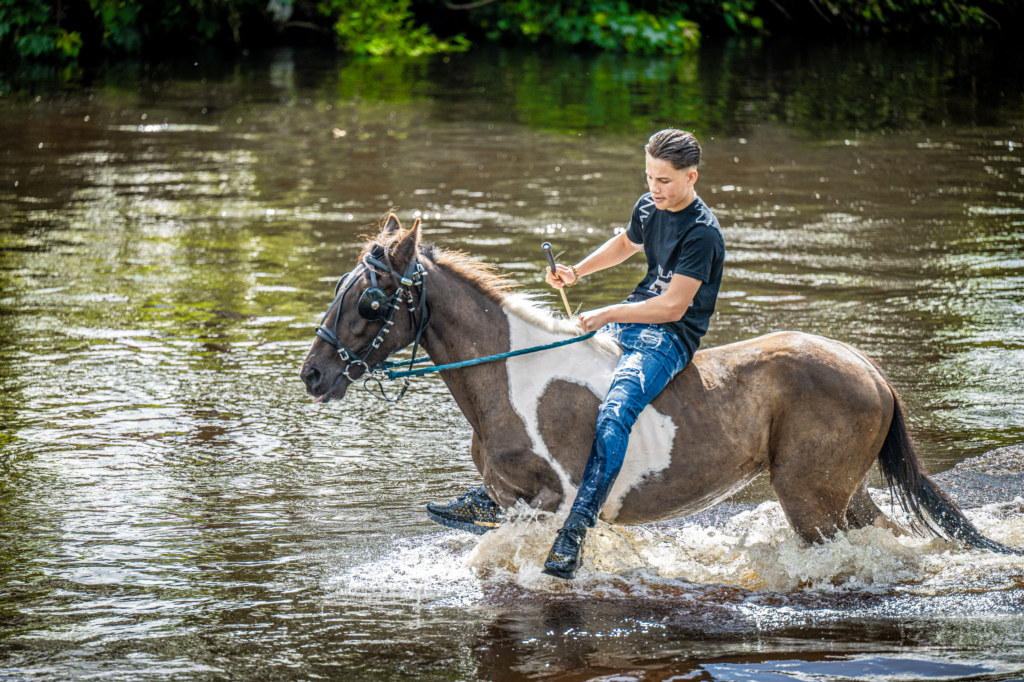
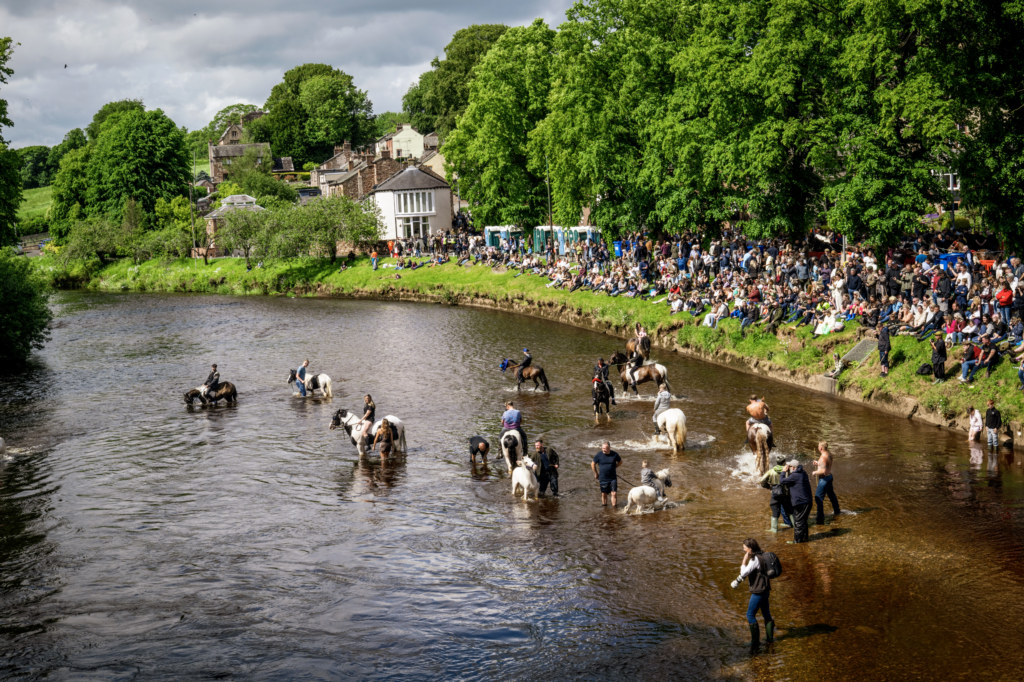
One of the fair’s most iconic traditions sees riders taking their horses into the River Eden at The Sands and Jubilee Ford for washing and showing.
However, access to parts of the river had to be restricted at times during this year’s event due to safety concerns.
The Multi-Agency Strategic Co-ordinating Group said the depth of the water, the speed of the current and poor visibility beneath the surface created potentially dangerous conditions for both people and animals.
It closed on Thursday and reopened Friday afternoon.
Westmorland & Lonsdale MP Tim Farron visited the fair.
He said: “I’ve been here for the day. It’s very busy, seems good-natured and well-policed,” he said. “I’ve had a good chat with locals and local businesses, and they’re pretty happy with how it’s going.”
Appleby Horse Fair remains one of the most significant cultural gatherings for Gypsy, Roma and Traveller communities in the UK.
The fair is not without its controversy.
Yesterday, a horse was found dead on a verge near the town. The RSPCA is appealing for information.
Cumbria police stopped a vehicle at 1am on Friday June 5, in the Appleby area, heading to the fair’s trade fields.
The rings will be destroyed.
“There have been numerous examples around the country of such rings being used to cause significant injury to people so I welcome the fact we have been able to seize these items and have them destroyed before they are made available for sale.”
Officers also seized counterfeit goods and air weapons during the first day of the fair.
The items were seized in a joint operation between Cumbria police and Westmorland and Furness Trading Standards.
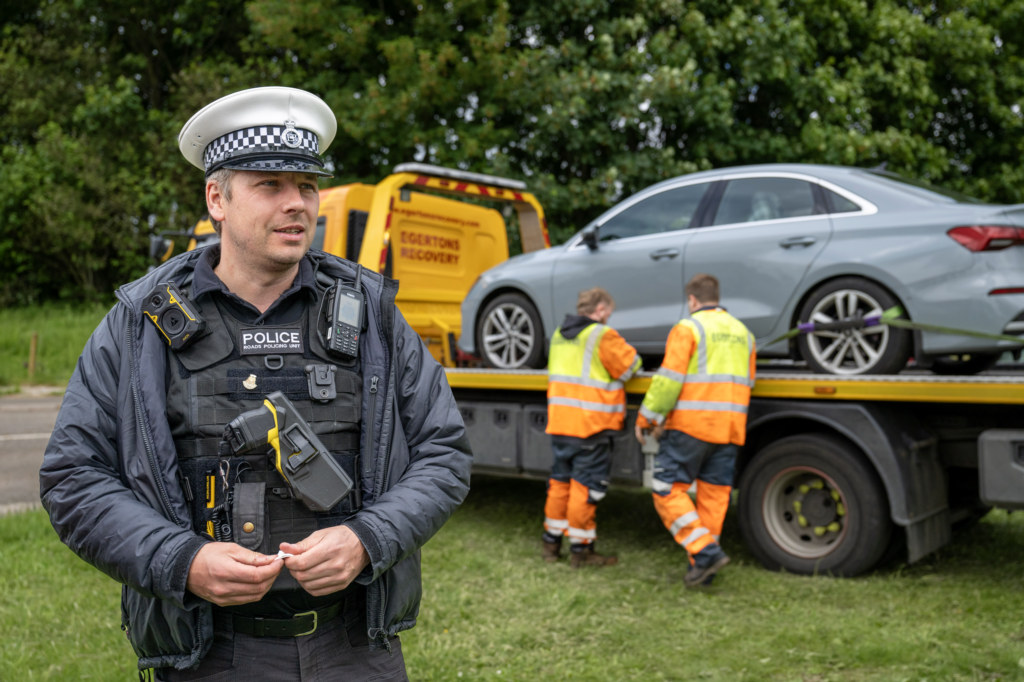
Officers stopped the Audi RS6, from the Leeds area, on Friday June 5 at around 11pm.