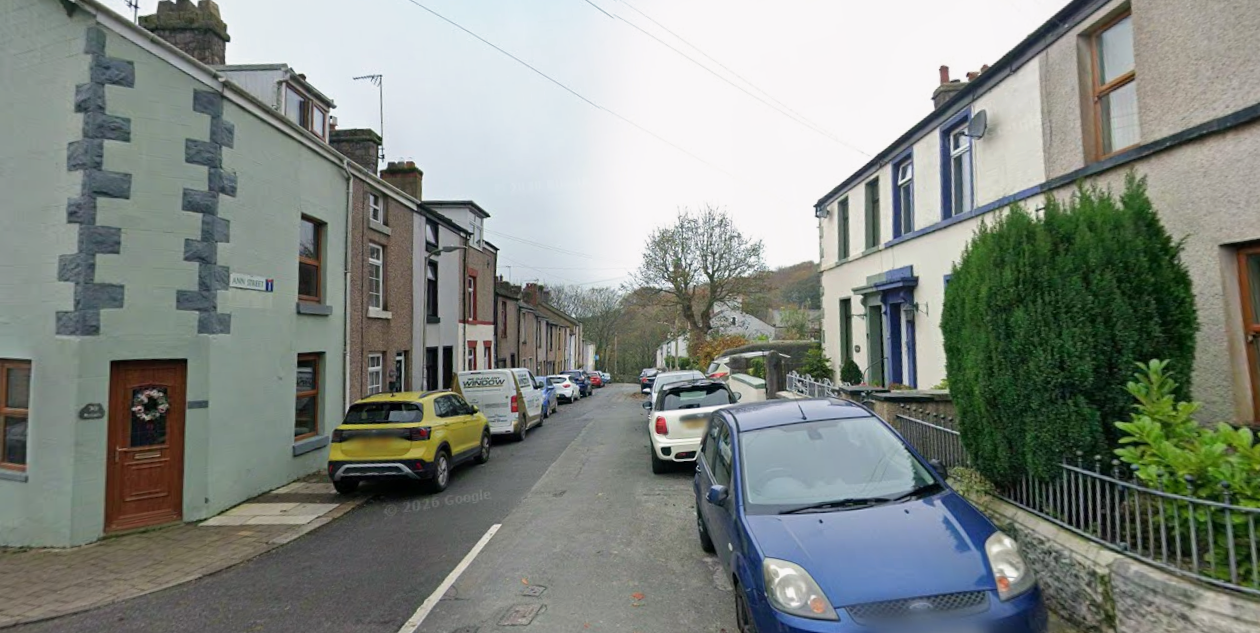

Work on a £3.4 million scheme aiming to reduce potholes on 60 Cumbrian roads has started.
Westmorland and Furness Council is investing in the surface dressing programme that will 60 roads – around 67 miles – sealed with a preventative treatment to improve the road surface and delay potholes from developing for up to 10 years.
The roads included in this year’s programme have been prepared and permanently patched, ready for the surface dressing to be applied.
Each road in the scheme has been prioritised based on inspections to detect when a road is showing early signs of deterioration.
The council said surface dressing significantly extends the lifespan of a road by sealing the surface to prevent water from seeping in.
It added that it protects treated roads from freezing and wet winter weather, the leading cause of road damage across the area, which typically becomes visible in spring as temperatures begin to rise.
The process sees a coating of hot bitumen sprayed on to the surface, followed by a layer of stone chippings which are then lightly rolled and pressed to form a hard-wearing surface.
Minimal delays are expected while the works are being carried out and traffic is immediately allowed on to the new surface, at a reduced speed, to help embed the chippings into the road.
Once complete, the roads receive new markings following the final sweep, which takes place seven days after completion.
Residents will be notified about upcoming works through on-street signage installed two weeks in advance. Site operatives will also deliver leaflets to nearby homes before work begins.
The treatment can only be carried out in dry weather, so scheme start dates have to be flexible with exact timings indicated by on-site signage.
The surface dressing programme forms a part of Westmorland and Furness Council’s wider £32 million highways investment plan for 2026/2027.
The plan includes fixing potholes, resurfacing roads and repairs and improvements to gullies, footways and cycleways, bridges, retaining walls and other structures.
Cllr Peter Thornton, Westmorland and Furness Council cabinet member for highways and ICT said: “The severe weather and freezing temperatures we face here takes its toll on the condition of our roads, which is why we have made proactively maintaining and improving our network a priority.
“Our surface dressing programme protects from the impacts of winter, preventing minor issues from escalating into bigger problems, like potholes, which understandably causes frustration for everyone.
“This treatment is not only a fast and effective way of maintaining our network, it enables us to reduce our impact on the environment and get the most out of every pound that we spend.
“After each scheme completes, we sweep and collect the spare chippings from the roadside and re-cycle them for use in future programmes, such as this year, where we are using 2,500 tonnes of recycled chippings from our 2025 works.
“Surface dressing is only a small part of our overall highways investment, which is delivering improvements across the area, including full road resurfacing and repairs to pavements and bridges.’’
Specialist contractor, Kiely Bros Ltd will manage and deliver this year’s surface dressing programme.
The 2026 works will build on previous years’ surface dressing schemes, which have seen more than 200 miles of roads improved across the area since 2023.
Mike Kiely, managing director of Kiely Bros Ltd said: “We’re pleased to once again be delivering an extensive surface dressing programme across Westmorland and Furness this year.
“Working in partnership with a council that takes a long-term, proactive approach to maintaining its highway network ensures investment is targeted where it can deliver the greatest benefit for local communities.
“Surface dressing remains one of the most efficient and economical maintenance treatments available, helping to preserve road surfaces, improve skid resistance and reduce the likelihood of potholes forming.
“The completion of this year’s programme will play an important role in protecting and enhancing the condition of the network for years to come.”