Energy company Windcluster is to fund a predator-proof fence to protect the declining gull colony at South Walney Nature Reserve.
The nature reserve’s gull colony has suffered a catastrophic decline thanks to badgers and foxes, and no chicks have fledged since 2016.
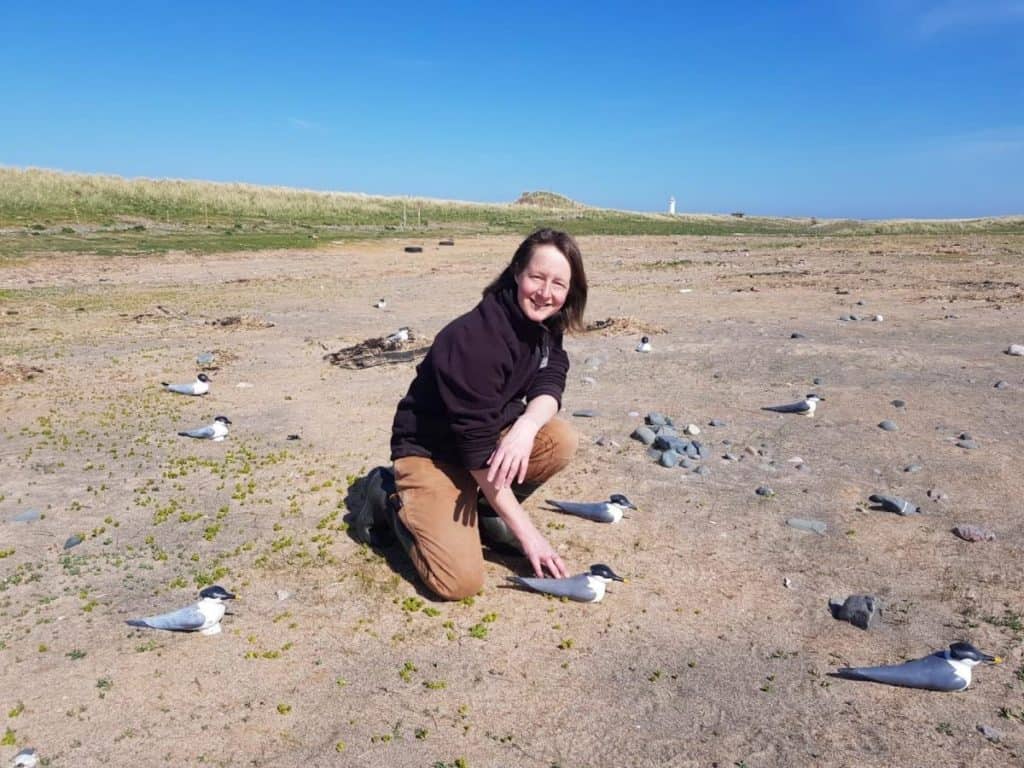
Sarah Dalrymple, warden of South Walney Nature Reserve, which is managed by Cumbria Wildlife Trust, hopes the protective fence will provide a safe, natural alternative nesting spot for the gulls.
She said: “We want to encourage gulls to come here rather than nest in town, but they here haven’t been doing well on the reserve and one of the reasons for that is predation from badgers and foxes.
“We’ve previously used temporary fences, but the badgers have realised they can push through these, so we need something more robust.
“This fence will be tall enough so foxes can’t jump over and will be dug in so badgers can’t dig underneath.
“Gulls at South Walney are nesting in their natural habitat, and from GPS tracking data we know that most of the gulls that nest here on the nature reserve feed out at sea, on Morecambe Bay and on bugs and worms in fields – their natural food. These aren’t the gulls that are nesting on your chimney and stealing your chips!”
Windcluster managing director Colin Palmer said: “We are very pleased to have this opportunity to support Cumbria Wildlife Trust in their work to protect the local gull population. Long experience has shown that our wind turbines are good neighbours to the birds that use the Haverigg airfield and the Duddon Estuary, but they do suffer from high levels of natural predation, and this fence will go a long way to protecting the birds, their eggs and chicks during the nesting season.”
In the 1960s and 70s there were more than 45,000 pairs of herring and lesser-black backed gulls nesting at South Walney.
This has reduced to around 900 pairs by 2020 and Cumbria Wildlife Trust wants to provide a safe, natural alternative for them to nest away from the town.