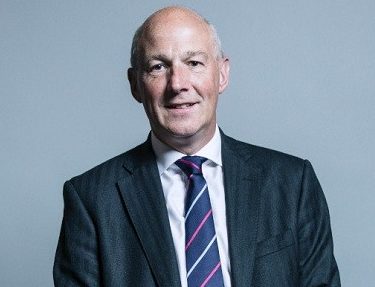
The MP for Carlisle has called on the Chancellor to level up schools in the upcoming spending review.
Speaking to Schools Week, John Stevenson said the pandemic has created a “unique opportunity to implement new policies in our schools for the benefit of all children, but particularly for those in the most disadvantaged communities.”
He called on the Prime Minister to put education at the heart of his levelling up agenda, to “close the attainment gap and to provide headteachers with the powers they need to deliver that promise.”
Mr Stevenson pointed to a report released by the Northern Research Group of Conservative MPs, a group in which he is a member, and the Centre for Progressive Policy which shows that the north west and North East has the poorest educational attainment at key stage four.
“These persistent educational inequalities must be tackled now if levelling up is to become a reality,” he said.
The MP said that despite Cumbria having “great schools and great teachers”, many children are “trapped in a cycle of poor educational attainment” leading to a future of “insecure, poorly paid employment”.
This is “bad for them” and has wider implications for the economy and their future children, he outlined.
Mr Stevenson is calling for the government to expand the pupil premium, which is funding provided to schools to improve outcomes for disadvantaged pupils. The extended funding, he said, would be targetted at all primary-aged children from families whose household income falls under £24,400, benefitting 1.3 million more children, with northern regions receiving the most investment.
This would cost an additional £2 billion, taking the total cost of the pupil premium from £2.4 billion (2020/21) to £4.4 billion.
“Teachers are best placed to know what their schools and their pupils need,” not “Whitehall bureaucrats, well-meaning though they doubtless are, are simply too far removed from local communities and their schoolchildren,” he said.
The MP added: “Expanding the pupil premium to all primary school-aged children from lower-income families would represent a significant step toward remedying these persistent inequalities for the long term. It would not only form a cornerstone for the wider levelling up agenda, but secure its lasting legacy.
“My northern Conservative parliamentary colleagues and I hope to see this reflected in the plans the chancellor sets out in the forthcoming spending review.”