
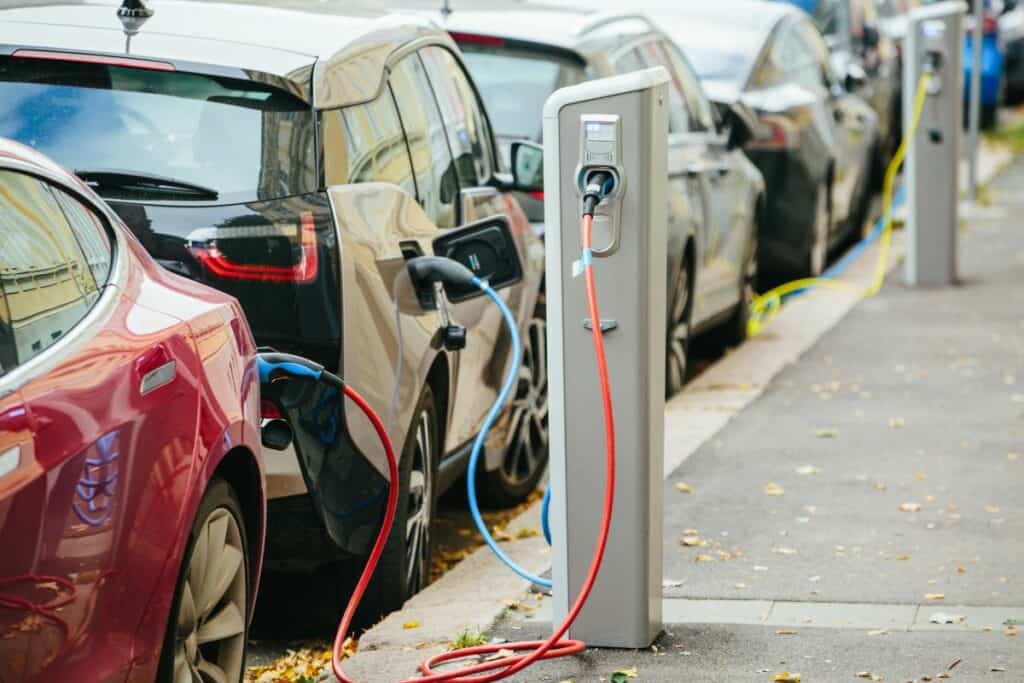
There are just eight electric vehicles to every public charging point in Cumbria, according to a recent study, making it one of the most EV-friendly local authorities in the UK.
Almost half of British motorists (46%) said they are put off from switching to an electric vehicle as they believe there are not enough charging points in their area, but this analysis of the latest Department for Transport data reveals that drivers currently only actually have to ‘share’ a local public charger with a very low number of other EVs.
Car leasing business ZenAuto compared new figures on the number of publicly available charging points per local authority area with the number of electric vehicles registered to that area. They then used this to calculate where there is the lowest and highest number of EVs for each charging point.
Below are the 10 local authority areas with the best ratio of electric vehicles to public charging points:
- Inner (Central) London – 28,000 – 5,370 – 5:1
- Tyne & Wear (Met County) – 3,750 – 444 – 8:1
- Cumbria – 1,899 – 251 – 8:1
- Outer London – 41,124 – 3,787 – 11:1
- Lancashire – 5,494 – 428 – 13:1
- Norfolk – 4,175 – 320 – 13:1
- Lincolnshire – 3,540 – 253 – 14:1
- Merseyside – 4,195 – 269 – 16:1
- Suffolk – 4,288 – 261 – 16:1
- Nottinghamshire – 4,226 – 259 – 16:1
ZenAuto also asked non-EV drivers if, alongside any concern about charging points in their area, there was anything else that was putting them off switching over. Two-thirds (68%) said they were put off by the initial cost of the vehicles, with over half (58%) saying prices would need to significantly reduce for them to buy in the next six months.
Twelve per cent stated that whilst they are eager to become an electric car owner now, they simply can’t afford to do so at present.
A third (32%) claimed their knowledge of EV benefits and features had improved ‘somewhat’ in the last year, while around one in ten (11%) felt their knowledge has improved ‘significantly’.
Just 4% said they don’t expect to have an EV before the Government bans the sale of new petrol or diesel cars in 2030.