The mother of a girl who was only given hours to live after a serious car crash has spoken of the incredible progress her daughter has made.
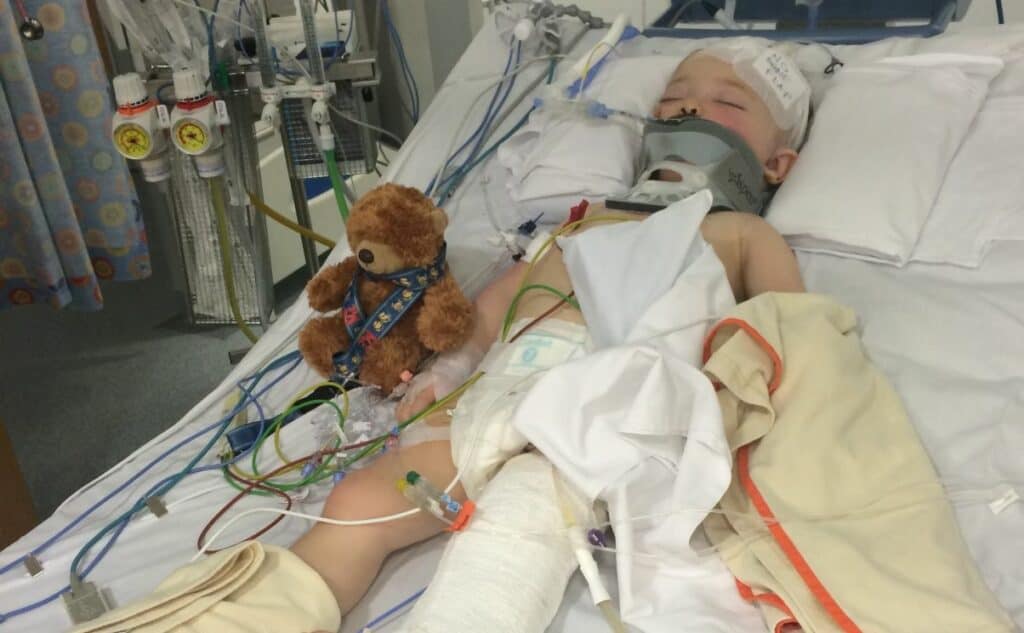
Ava Pearson, of Maryport, was two years old when the car she was in collided with a tanker on the A66 near Cockermouth.
The Great North Air Ambulance Service flew to the scene and treated both Ava and her father Adam, who was driving at the time, and airlifted them to the Royal Victoria Infirmary in Newcastle.
The incident happened on September 29 2015.
Ava had to have the left side of her skull removed to relieve pressure on her brain, and also had torn ligaments in her neck. Her intensive treatment was only the start of a long journey to recovery.
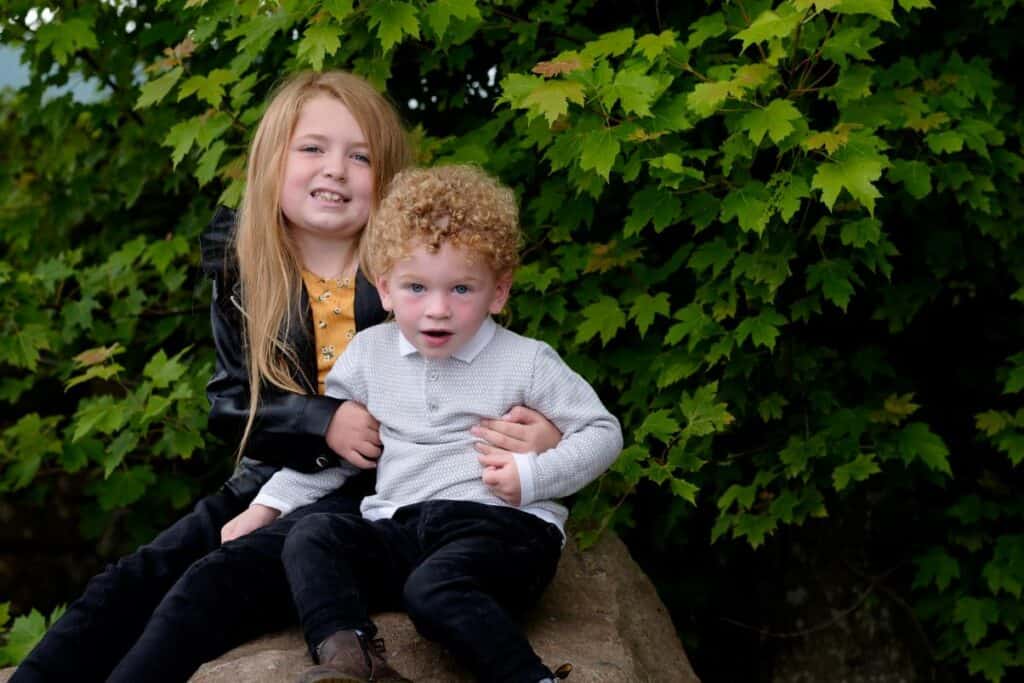
Her mum Amy Shaw, 28, said: “After a gruelling few months of positive movements in her progress, Ava had learnt to speak, walk and eat again.”
In December 2015 she underwent surgery to fit a plate into her head to replace the parts of skull that were missing before eventually coming home to spend Christmas with her family.
Amy said: “Ava’s injuries from that day have meant her life will face ups and downs and she will be limited as she gets older, but we take the positives with the negatives and are forever thankful for all the hard work the emergency services provided that day, as we brought Ava home and that’s all that matters.”
Since then, Ava has required further operations including having the plate removed from her skull in 2017 due to a serious infection which led to her fighting for her life again, and complications associated with a replacement plate in 2019.
Despite many setbacks, the invasive treatments and the time spent in hospital, Amy said Ava has remained strong and determined.
She attends mainstream primary school and takes part in horse riding and hydrotherapy as part of her rehabilitation.
Amy added: “Ava is a very lively and bubbly little girl. She regularly gets described as a whole lot of sass.
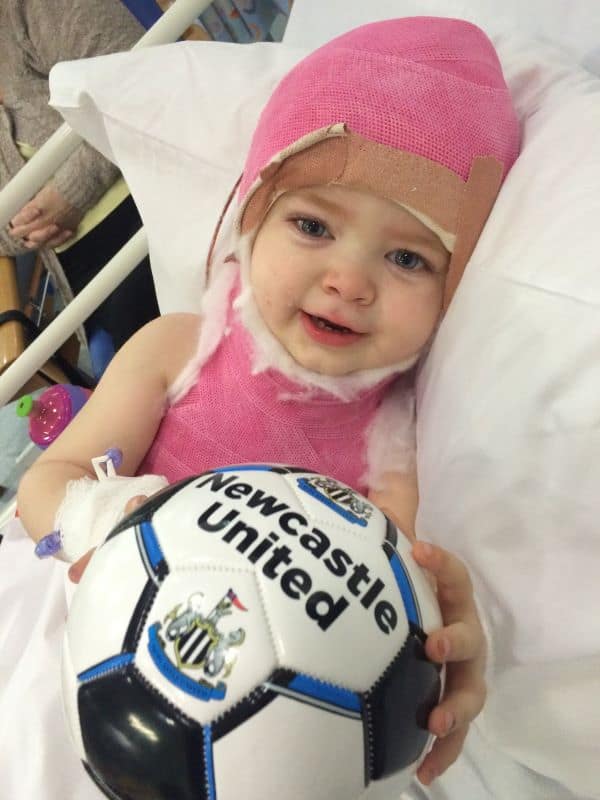
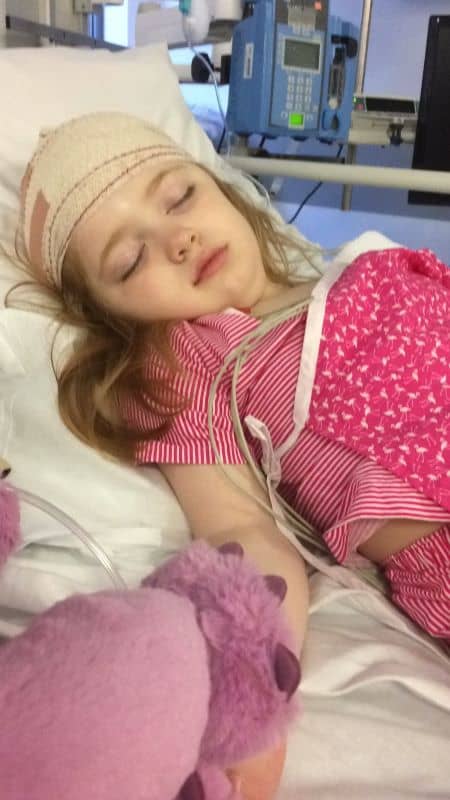


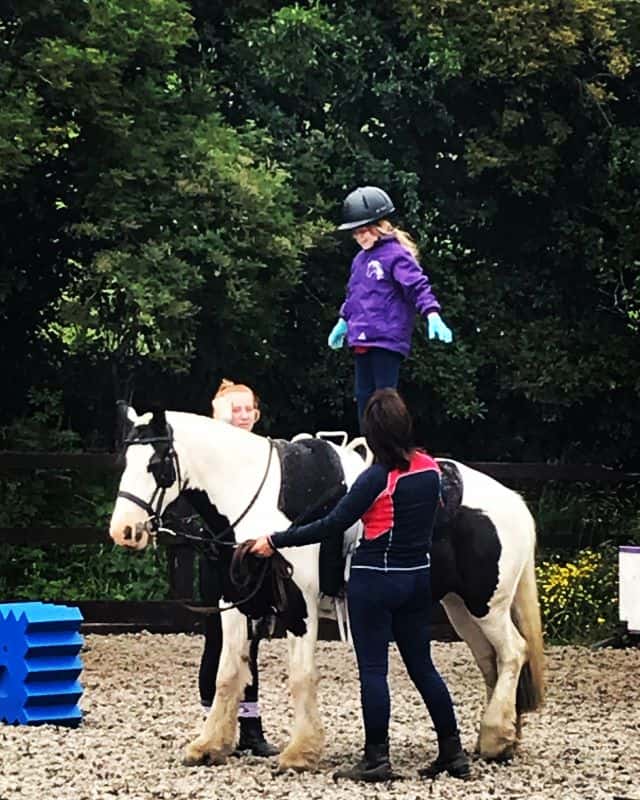


“She’s generally very happy and strong willed and stubborn but given everything she’s been through I’m certain that played a huge part in her recovery.
“Our family became blended almost four years ago and Ava became a stepsister to three boys and just over two years ago to a younger brother Ezra and absolutely loves being a big sister.
“Having stepbrothers at a similar age to Ava really highlighted the difficulties she has when comparing to children her own age, however she doesn’t allow it to come between them and has a lovely bond with them.”
The mother and daughter recently met GNAAS paramedic Terry Sharpe for a second time at Langwathby, with Ava’s younger brother Ezra and her grandad Brian, who handed over a cheque from his workplace.
Amy said: “It was an emotional day meeting him, and I feel I owe my life to him and the team at GNAAS as without their hard work and commitment Ava probably wouldn’t be with us today.
“Although we’ve only met Terry twice, given what he’s done for my family it feels like we’ve known him a lifetime. Terry, in my eyes is an incredible man and not all heroes wear capes. Terry wears his GNAAS uniform.”
The Great North Air Ambulance has launched its biggest ever appeal to mark 20 years of life-saving in the region.
As it approaches its landmark birthday in May, the charity has revealed that the past year has been its busiest ever.
During 2021, the charity responded to 1,620 callouts across the North East, North Yorkshire and Cumbria, up from 1,262 in 2020.
It is asking the public to help it meet the rising costs of providing year-round emergency care in the face of the increased demand on its services through its Fund Our Future campaign.
David Stockton, the charity’s chief executive, said: “At a time when our service is reaching more people than ever before, and making the most impact to our patients, we are under the most pressure due to rising costs.
“It will hardly be surprising to hear, but running helicopters isn’t cheap. It cost £6.7m last year alone. It’s an eye-watering amount. That’s why we are asking the public to Fund Our Future, local lives depend on it.
“We have the team and we have the aircraft. Our needs are basic but vital – we need fuel to put in the tank, we need to keep the fleet maintained and ready to go, and we need to keep our kit bags stocked in preparation for whatever comes our way.
“These costs amount to millions of pounds, so we need all the help we can get.”
To donate, visit gna.as/ourfuture