
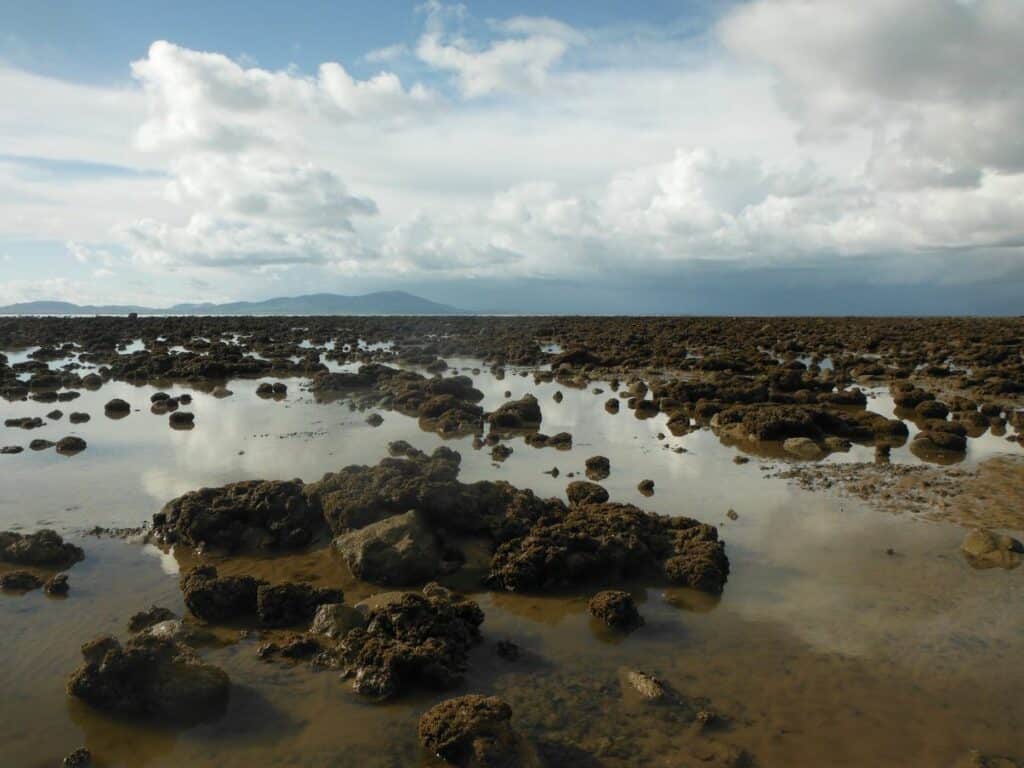
A West Cumbrian bay is on its way to becoming one of the most protected marine areas in England.
Allonby Bay, on the Solway Firth, is one of five sites proposed by Defra as a Highly Protected Marine Area – which introduce the strongest ever protection measures for the England’s seas by banning all damaging activities within their boundaries.
Wildlife trusts have been calling for HPMAs for three years, with the support of over 10,000 people who have called for greater protection of marine life.
Cumbria Wildlife Trust submitted recommended sites to Defra which we believe have the most to gain from the designation. Allonby Bay has been chosen to progress to the next stage of the process, and now goes forward for public consultation.
Allonby Bay includes two extremely important areas for marine life, Dubmill Scar and Maryport Roads. The area contains different species of sponge, soft coral, seaweed, sea squirt, anemone and the reef-building honeycomb worms which is at its most northern extent. Allonby Bay was designated a Marine Conservation Zone in 2016.
Georgia de Jong Cleyndert, senior marine conservation officer for the North West Wildlife Trusts, said: “It is absolutely fantastic news that Allonby Bay is proposed as one of five of the first UK sites to be designated an HPMA, offering the highest level of protection in England’s seas.
“The site contains large areas of blue mussels and the best example of honeycomb worm reefs in the UK, which provide habitat for a wealth of different species. Subtidal sands and gravel habitats in the area are important spawning and nursery grounds for plaice, skate and thornback rays, and it is a pupping ground for harbour porpoise.”
“Allonby Bay was one of four sites in the Irish Sea that the North West Wildlife Trusts put forward for designation. This is a very positive step forward, but these five sites must pave the way for further improving the protection and management of all designated sites around the UK, to create a network of highly protected areas to ensure our seas are healthy and resilient”.
There will be a 12-week consultation, until September 28, on the proposed locations, here.
The designation of HPMAs will act as a mechanism for marine recovery and should contribute to the Government’s commitment to protect 30% of our seas by 2030. HPMAs will also act as a natural solution to help store carbon and tackle climate change, as well as generating benefits through tourism, recreation and marine education.