
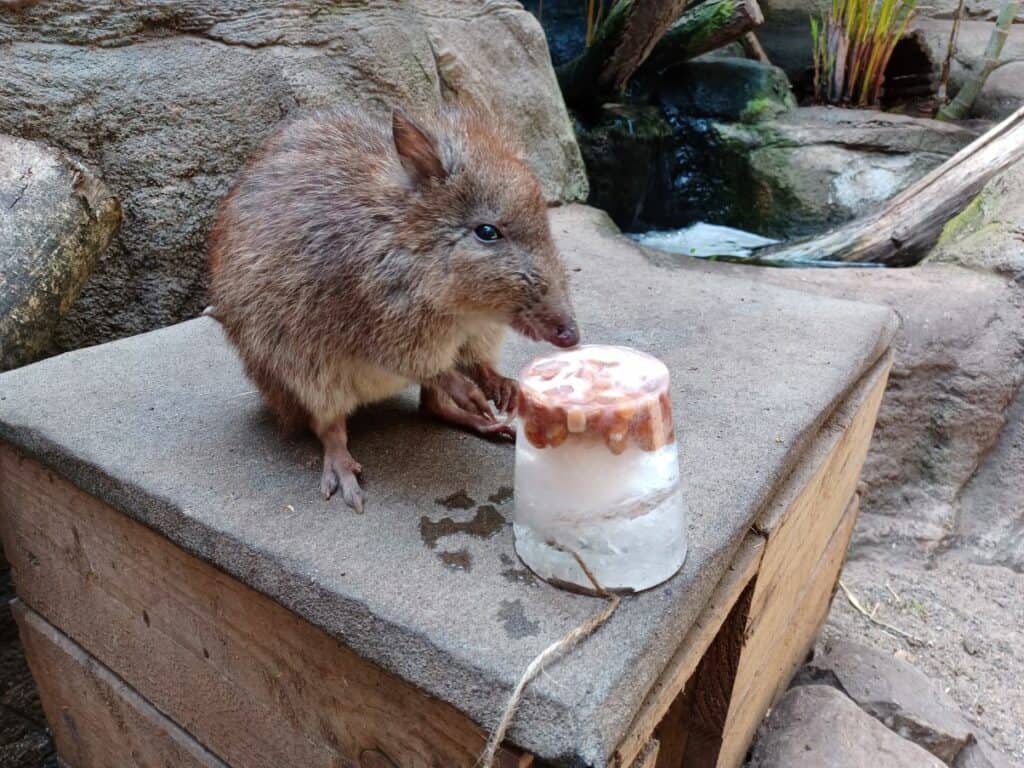
Animals at Lake District wildlife parks are keeping their cool in the heat.
Staff at Lake District Wildlife Park, near Keswick, are treating their charges to treats like beetroot ice lollies and frozen vegetable snacks as temperatures soar.
The park’s red pandas are being given frozen grapes and the tapirs frozen watermelons to help them beat the heat.
Cooling mats and plenty of shade and water are also available for the animals.


The 24 acre park features over 100 species of wild and domestic species, including zebras, tortoises, meerkats, lemurs and mandrills.
Lucy Dunn, education and marketing co-ordinator, said: “This is what we do on hot days for our animals.
“For example, animals that come from hot climates but who have been born here are acclimatised to our weather – like Muffin, our 20-year-old tapir, who was born here.
“We make sure they all have plenty of shade and we keep an eye on them.”
Lucy added that the same rules apply for people’s pets at home.
She said: “Dogs should be walked early in the morning or late at night, not in the middle of the afternoon. Make sure they have plenty of water and shade, no excessive exercise, don’t leave them in cars.
“Cats tend to sleep a lot anyway during the day, but again, make sure they have access to water and shade.”
Milnthorpe’s Lakeland Wildlife Oasis is also helping animals keep their cool.
As an animal conservation charity, all the zoo’s animals are responsibly captive-bred, many as part of vital endangered species preservation programmes. But even if they were born into the British or European climate, many are still genetically predisposed to living in very different climates.
All the zoo’s occupants live in accommodation specifically designed and built to mirror and support their natural habitat and requirements. Armadillos, for example, have plenty of earth, which they cleverly burrow into to create cool underground hideaways when the sun gets too fierce.
Just like well-designed houses, insulated sleeping quarters are cosy in winter, welcomingly cool in summer. Trees and native planting gives shade and capture moisture, plentiful drinking water and pools cool the air as well as giving the opportunity for an inviting wallow.
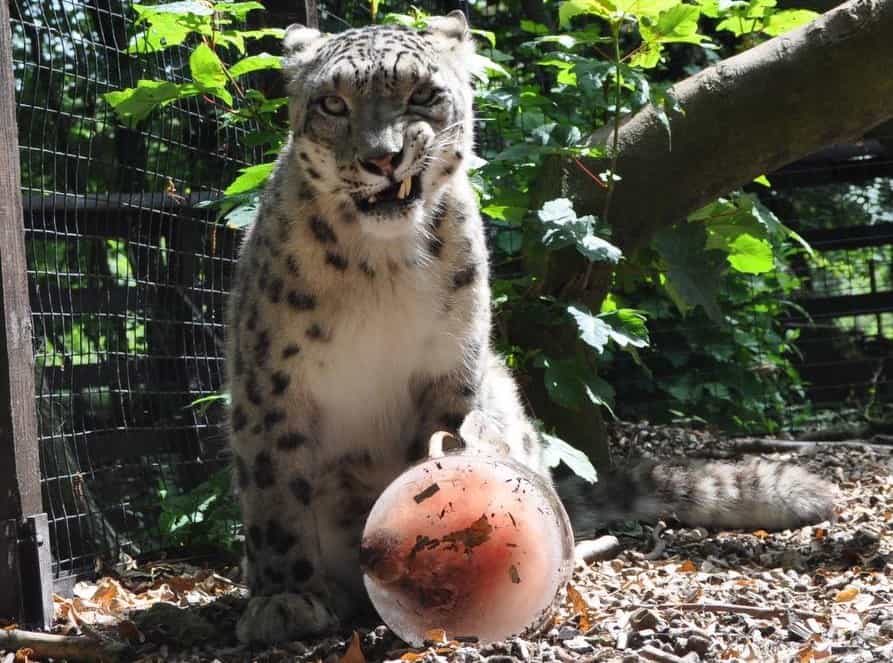
Keepers monitor all animals very closely – including birds for example, who cannot hang up their thick feathers – and, like dogs, use panting to cool down. Lots of extra water is available, and animals even get cooling treats like frozen fruit, vegetables, and homemade ice lollies.
Lemurs and the enigmatic fossa originate on the semi-tropical island of Madagascar, where temperatures range between 23 to 32 degrees. Zoo visitors love seeing the lemurs enjoying a bit of sun worshipping, leaning back with arms akimbo to soak up every drop of sun!


Similarly, the meerkats, whose ancestors came from the African savannah, get even more active in hot weather: scampering about, digging for grubs, and sitting up in classic meerkat-lookout pose.
Keepers say the hot weather generates concerned enquires from visitors about the magnificent fur-clad snow leopards, with many surprised at how well they adapt.
While their super-insulating fur is designed to cope with winter temperatures regularly down to -40 degrees, with the correct habitat, shade, and plentiful drinking water, they’re quite happy in a British summer.
Even in recent extreme temperatures, visitors can see them out and about: happily basking in the sun, furry bellies up, just like a domestic cat.
The inhabitants of the zoo’s tropical hall can take the summer heat and more; in fact, the thermostat has to remain high year round for the exotic butterflies, frogs, fish and fruit bats. In hot weather the structure draws heat from the sun, so the heating can even be switched off, saving resources. Adjustable vents ensure a flow of fresh air, keeping everyone comfortable.
While zoo visitors chill out with a welcome ice cream, keepers are happy to chat about different animals’ preferences and the clever adaptations they use to stay cool.
And they advise: don’t forget your own “wild animals”, from dogs and cats to rabbits and budgies, even fish and horses. Protect them from excesses of heat, watch out for signs of stress, and ensure water is in plentiful supply, leaving extra out in the garden for thirsty birds and wildlife like hedgehogs.