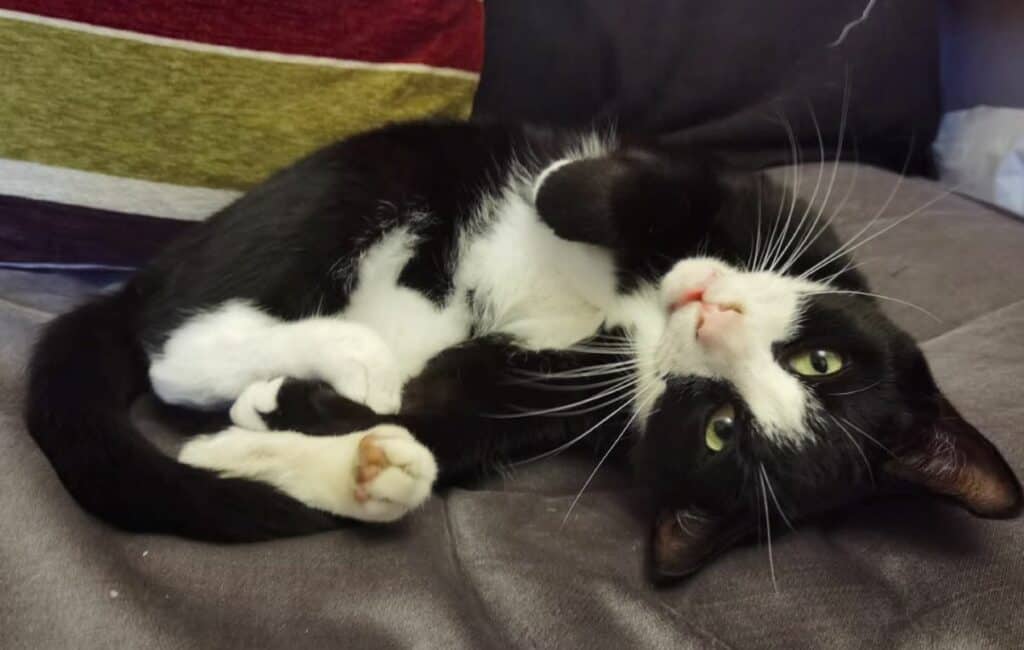
Having just been to the high street for a weekly grocery shop, I now have to lie down with a large saucer of milk. Except I can’t afford a full saucer as the price of milk has gone up five per cent in one month and 34 per cent in a year.
This staggering increase is mirrored by so many staple foodstuffs: Bread, cooking oil, breakfast cereals and oils and fats. With inflation approaching 10 per cent I fear the time is close where my weekly Dreamie allowance will be cut!
The reason for the price rises are, as always, complex and not always obvious. Yes, wheat prices and sunflower oil prices are up because of the devastating war in Ukraine. This has also contributed to the rise in fuel and transport costs. Then there is the reduction in fertiliser production in the UK because of the reliance on high-cost gas to fuel the process. This in turn has fuelled an annual increase in the cost of ammonium nitrate fertiliser of 152 per cent.
Add to this the continued supply disruptions post-COVID and it is inevitable that food prices will continue to rise, particularly towards the year end when there is less UK sourced seasonal fruit and vegetables available.
While the average consumer has zero influence on all these issues, there remains only two options to reduce the cost of the weekly shop.
Firstly, the canny shopper can compare prices of staples across the shops to find a bargain. However, this takes research time which may be seen as cost free whereas actually travelling to multiple outlets is anything but cost free. Of course, travelling only to a low cost store – Aldi/Lidl – or buying low cost, supermarket branded products will reduce the bill but will also reduce the range if not the quality.
The second option is simply to cut down on other purchases to make up for the shortfall. My servant’s Saturday night takeaway might have to become monthly. They may have to cut back on the booze – a cheaper gin or a blended whisky instead of a single malt – or forgo that bottle of water for a fill up from the tap. Cut out the sandwich shop butty for one made at home? That also begs another question – loyalty.
Who are you loyal to?
In shopping there are two ‘loyalties’. There is the brand loyalty where it has to be HP Brown Sauce or Heinz Baked Beans or in my case, Gourmet Melting Heart cat food. How willing are we to step away from the tried and trusted brands? Indeed, how many of the ‘cheaper’ alternatives are actually made by the brand leader? That said, there is little danger in trying the alternatives.
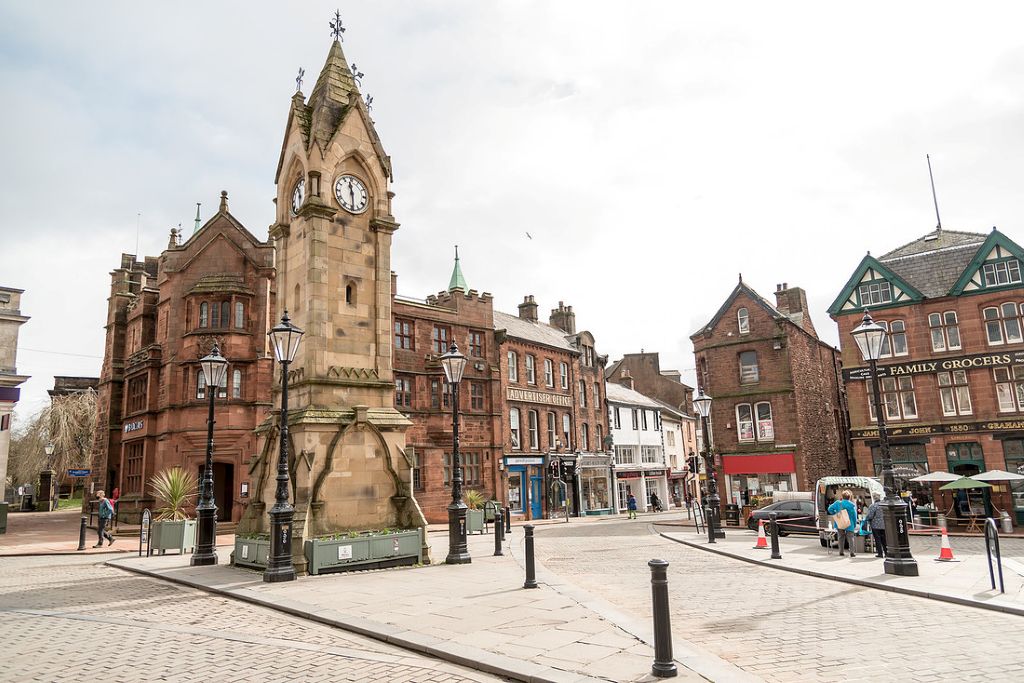
The second loyalty is much more fundamental to the complex interactions that underpin our high street and rural economy. I have a favoured sandwich shop. It is independent and local, quality is high and is more expensive than the national chains. Likewise, I am lucky to have three local, independent butchers where I am assured of top quality and knowledgeable service but at a cost.
My loyalty to them is such that I will change my shopping habits elsewhere to ensure I can support these businesses to stay open. If we all change to the cheaper supermarkets and stick to own brand goods, it will be another nail in the coffin of an already damaged high street.
The banks, once the literal foundation of our high street with a friendly bank manager, have gone thanks to online banking. Let’s not have our butchers, grocers and bakers follow suit or something of our national and local culture will be lost never to return. At least we are blessed by the
Cumberland, Furness and Penrith building societies keeping the local financial services flag flying on the high street.
However you choose to tackle the increased costs of shopping, think wisely and minimise any damage to those things we hold dear.
- Do you agree with Cumbria Cat? Are you struggling? We’d love to know what you think – email us at [email protected] and we’ll pass on your comments to the Cat.
About Cumbria Cat

Born in Cumberland and, from 2023, will be back living in Cumberland, having spent most of the past 50 years in some place called Cumbria, this cat has used up all nine lives as well as a few others.
Always happy to curl up on a friendly lap, the preference is for a local lap and not a lap that wants to descend on the county to change it into something it isn’t. After all, you might think Cumbria/Cumberland/Westmorland is a land forged by nature – the glaciers, the rivers, breaking down the volcanic rocks or the sedimentary layers – but, in reality, the Cumbria we know today was forged by generations of local people, farmers, miners, quarriers, and foresters.
This cat is a local moggy, not a Burmese, Ocicat or Persian, and although I have been around the block a few times, whenever I jump, I end up on my feet back in my home county. I am passionate about the area, its people, past, present and future, and those who come to admire what we hold dear, be it lakes and mountains, wild sea shores, vibrant communities or the history as rich and diverse as anywhere in the world.