Rarely does a day go by when there isn’t a call for the services of one of the volunteer rescue services.
In Cumbria we are fortunate to have a number of voluntary organisations, such as mountain rescue or the RNLI, that drop everything to come to our aid, and, in many cases risking their lives for us.
Often, we hear of members of these voluntary services losing their lives or suffering injuries while helping other. As a 13-year-old and part of what was then a very close knit, town, community, I remember the effect the tragic deaths of Jock Thomson and Michael Stephenson of Cockermouth Mountain Rescue Team in 1969 had on the town.
More recently, Chris Lewis’ fall, while attending a rescue mounted by Patterdale Mountain Rescue, to aid two hikers when one fell ill while breaking coronavirus lockdown restrictions in 2021, left him with significant, life-changing injuries. Yes, these men should not have been there, but the Patterdale team did not hesitate to come to their aid.
Over the years living in the Lakes, I have seen people totally ill equipped to be walking down Keswick Main Street let alone on the path to Scafell with no map or compass, dressed in shorts and trainers relying on Google maps and no way to recharge their precious mobile phone.
I am not even some people should be allowed to leave their homes to go to the shops, let alone go on the fells. These people put not only their lives in danger but the lives who come to help them, yet the rescue services keep coming, regardless of the risk.
Of course, even the most experienced mountain climbers and walkers can have an incident. Maybe a trip or fall resulting in a broken ankle, leg, arm, or worse, where the rescue services might have some thoughts of ‘there by the grace of God, go I’.
But what is startling is the significant rise in deaths on the fells and the overall increase in call outs for our rescue services in recent years. Cumbria Crack last month reported a there had been 25 deaths this year and not only confined to the mountains with one paddleboarder drowned in Ullswater.
And it isn’t just the lakes, our county is blessed with over 100 miles of coastline which offers a wide variety of opportunities to enjoy shoreline and offshore activities. But with these activities comes danger, especially for the ill prepared, and the Coastguard volunteers and those wonderful men and women of the RNLI and our county’s independent lifeboats are always on hand to help those in peril on and by the sea.
Only last week, Maryport Rescue and Workington RNLI deployed to rescue solo sailors who were having problems and had to tow the yacht into harbours with, fortunately, no injuries. The previous month a stricken yacht was towed by the RNLI into Barrow.
Indeed, so busy are the coastal rescue services in this area, HM Coastguard are planning, from 2024, to station a rescue helicopter at Carlisle from April to September each year.
But regardless of the circumstances, these doughty volunteers drop their tools, rush from their shops and offices, and from their homes to help anyone in distress. They don’t stop to ask, “should this person have been doing what they were doing when and where they were doing it?”, “why weren’t they better equipped?”, “had they checked the weather forecast?” or “didn’t they realise how far that hike was?”
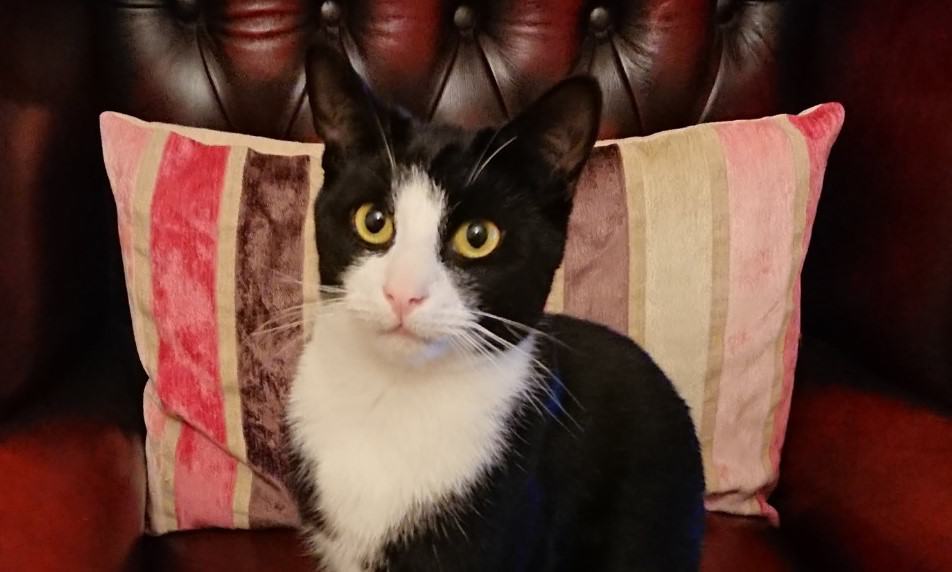
No, they come rushing, help and then, hopefully, pass on some wise words although the Cat remembers often a certain mountain rescue team leader who shall remain nameless but does have a shop named after him in Keswick, being less delicate in his choice of words with some of those his team had carried from the fells. Sometimes, you just need to tell it as it is.
The Cat would, if he had one, doff his cap to these intrepid volunteers and when sneaking out to buy some illicit cat treats, will always drop some change in the collecting boxes of these wonderful voluntary, organisations.
Remembering that these volunteers are often our friends, neighbours, and workmates, I trust you will do the same.
About Cumbria Cat
Born in Cumberland and, from 2023, will be back living in Cumberland, having spent most of the past 50 years in some place called Cumbria, this cat has used up all nine lives as well as a few others.
Always happy to curl up on a friendly lap, the preference is for a local lap and not a lap that wants to descend on the county to change it into something it isn’t. After all, you might think Cumbria/Cumberland/Westmorland is a land forged by nature – the glaciers, the rivers, breaking down the volcanic rocks or the sedimentary layers – but, in reality, the Cumbria we know today was forged by generations of local people, farmers, miners, quarriers, and foresters.
This cat is a local moggy, not a Burmese, Ocicat or Persian, and although I have been around the block a few times, whenever I jump, I end up on my feet back in my home county. I am passionate about the area, its people, past, present and future, and those who come to admire what we hold dear, be it lakes and mountains, wild sea shores, vibrant communities or the history as rich and diverse as anywhere in the world.