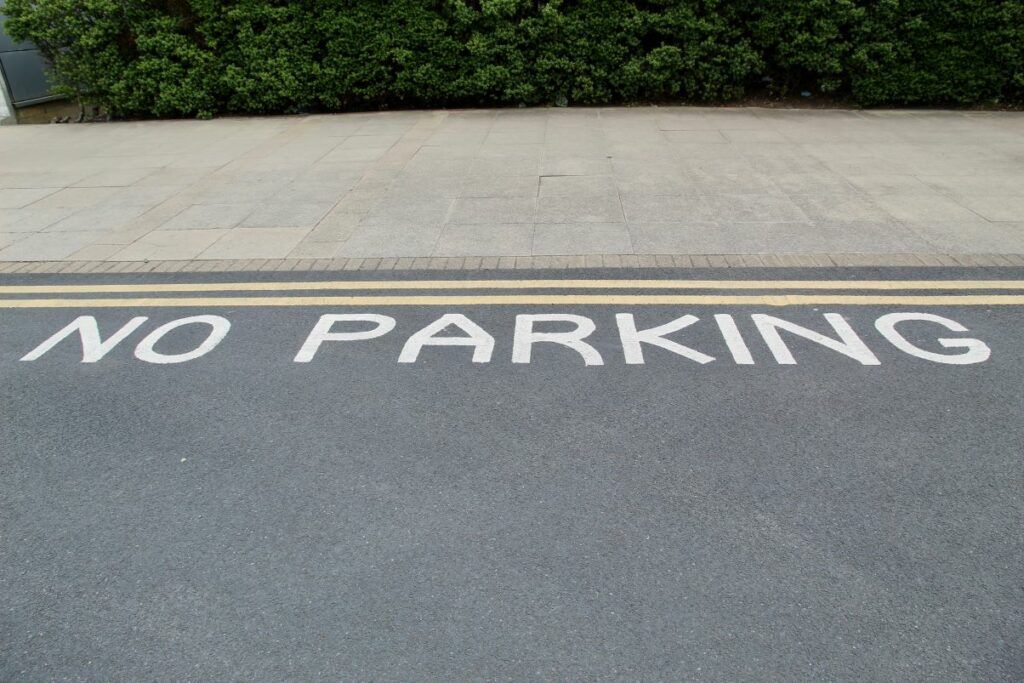
New traffic and parking restrictions will be introduced across north and West Cumbria.
Cumberland Council’s highways and transport strategic board has approved traffic regulation orders after the measures were developed following consultation with people, businesses, councillors, Cumbria police and other groups.
In Carlisle, the board approved new waiting restrictions on roads including Dalston Road, Lismore Place, St Cuthbert’s Street, Blackdyke Road and Cecil Street.
A new loading bay will be introduced on West Walls to support local businesses, and a revised proposal for Peacock Road was approved following discussions to balance parking needs with access for larger vehicles.
In Wigton, Aspatria, Silloth and surrounding areas, measures include new waiting restrictions, school safety improvements and disabled parking provision in Silloth.
A one-way system and parking changes will be introduced on Esk Street and Skiddaw Street, alongside new 7.5-tonne weight restrictions on rural roads where larger vehicles are considered unsuitable.
The authority said a proposal for Main Street, Abbeytown, would not proceed following concerns raised during consultation.
In West Cumbria, new and extended waiting restrictions were approved in communities including Cleator Moor, Cleator, Egremont, Thornhill, St Bees, Moor Row, Bigrigg, Holmrook, Millom, Haverigg, Kirksanton and Moresby Parks.
Improvements also include enhanced disabled parking provision in Egremont and longer disc parking periods in Millom town centre.
New four-hour parking limits will be introduced in selected lay-bys along the A595 and B5344 to help improve availability for road users.
Karl Melville, assistant director for highways and transport at Cumberland Council, said: “These reviews help ensure our traffic and parking arrangements continue to meet the needs of local communities while supporting road safety, accessibility and efficient traffic movement across Cumberland.
“The proposals have been developed following extensive consultation and feedback from residents, businesses, local councillors and partner organisations. In several cases, schemes were amended in response to the comments received before recommendations were brought forward.
“The approved measures will help tackle local concerns around visibility, congestion, access and road safety, while ensuring our highways network works more effectively for everyone who uses it.”