The number of gulls nesting and fledging at a South Cumbrian nature reserve has risen by 150 per cent.
South Walney Nature Reserve – once home to Europe’s largest gull colony – saw numbers drop significantly by 2020 and Cumbria Wildlife Trust was concerned the colony was in danger of vanishing completely.
Numbers of herring and lesser black-backed gulls had fallen due to increased predation by foxes and badgers, so the trust installed a predator-proof fence to protect chicks in a 7.5 hectare area.
South Walney Nature Reserve has exceeded conservationists’ expectations, thanks to the installation of a predator-proof fence.
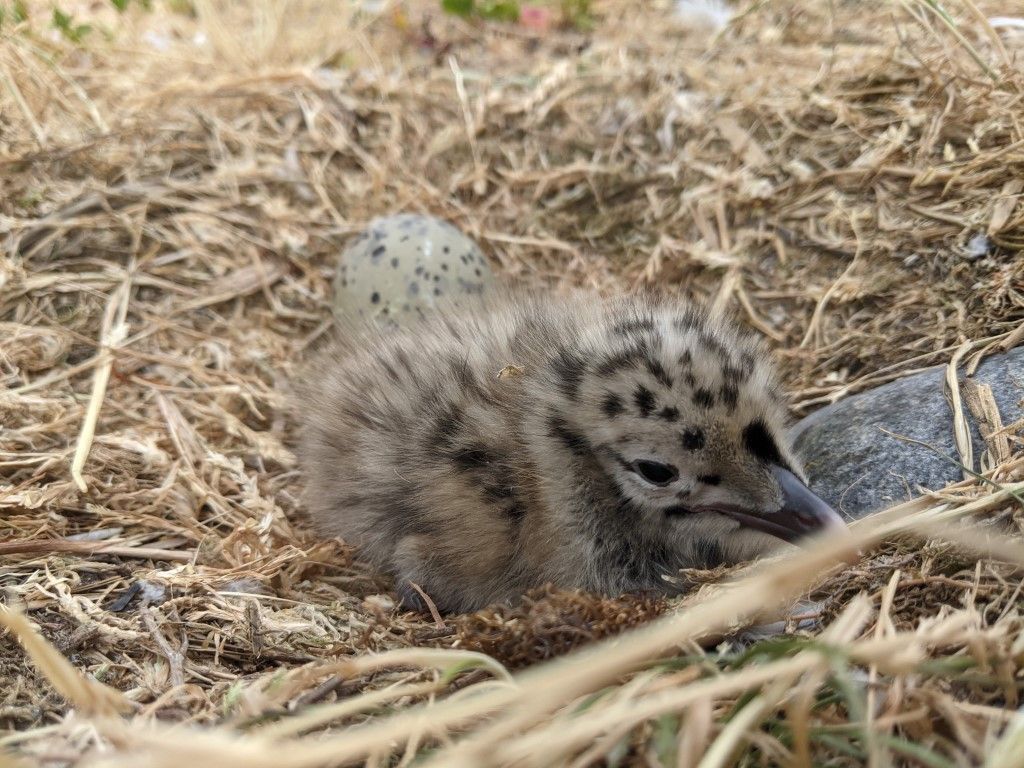
Last year, chicks fledged for the first time in over a decade, but not many. Last winter, the fence was heightened and strengthened.
A spokesman said: “This year, not only did more chicks fledge but the number of gulls nesting at South Walney Nature Reserve increased beyond expectation, from 449 pairs (the lowest since the 1950s) to 1,128 pairs, a stunning 150 per cent increase.”
Funding for the fence came from the British Birds Charitable Trust, Tesco Community Grants, FCC Communities and Natural England, with support from LIFE on the Edge and Windcluster, a permanent predator-proof fence was installed to protect 7.5 hectares of gull colony.
Paul Waterhouse, reserves officer at Cumbria Wildlife Trust, said: “This is great news for the gull colony at South Walney Nature Reserve. It’s the largest percentage increase recorded at the colony since the population explosion in the 1950s. The gulls have been attracted back to the site by the successful fledging of chicks last year. Let’s hope this important colony continues to go from strength to strength.”
Sarah Dalrymple, coastal species and habitats officer at the RSPB, said: “Although it often doesn’t feel like it when so many of them nest in our towns and cities, herring and lesser black-backed gulls are in fact in severe decline. South Walney is one of the most important natural nesting sites for these birds in England, so seeing the numbers recovering so quickly after putting up the fence is brilliant news.
“GPS tag studies show that gulls at South Walney don’t go into Barrow to feed, but get food for themselves and their chicks out on Morecambe Bay. This is the natural habitat for these birds and when they nest here, they utilise their natural food sources. It’s important gulls have safe breeding sites to attract them away from our towns and cities.”