Four short animated films have been created to highlight how people and businesses can help stop flooding.
The Slow the Flow series, created by Cumbria Wildlife Trust and funded by the Environment Agency, aim to show how landscaping techniques used to hold water back during flood events, which reduce the impact downstream on buildings and bridges, reduce the impact of drought on land, and reduce pollutants in water.
Techniques include restoring peatland, so it soaks up water instead of it draining into rivers; re-meandering rivers to slow down the fast flow of water, which is more likely in straightened rivers; and protecting flood plains from development.
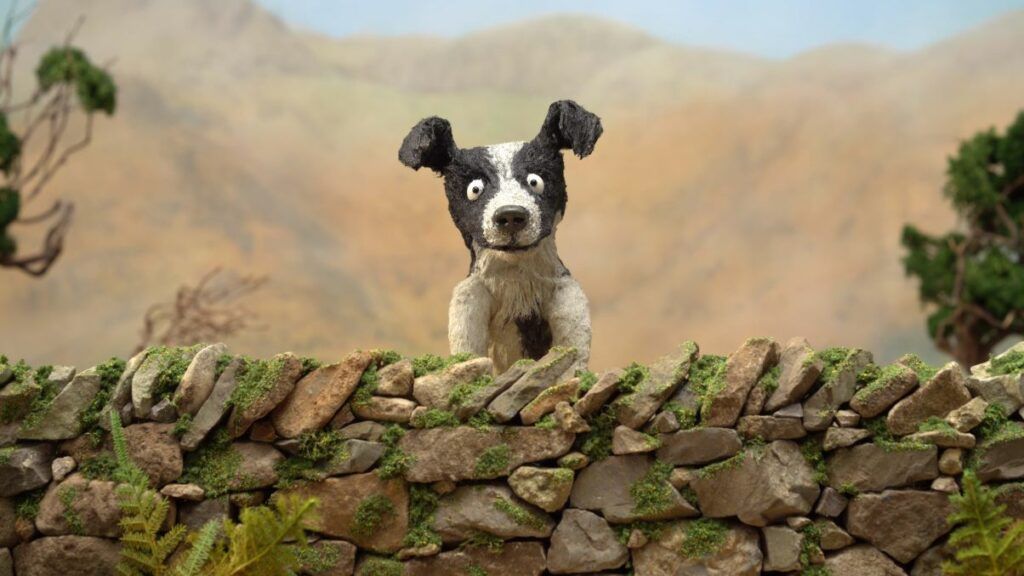
The four stop-motion films, created by StudioDOK, feature Pete the frog, Russell the border collie, Brook the otter and Fin the fish.
The four characters are narrated by local voices, including David Kennedy and Michael Farrell, of the Environment Agency, John Gorst, of United Utilities and Abigail Kennedy, a Cumbrian art and photography teacher.
Pete the frog
Peter talks about restoring peatlands and the benefits this has. Pete explains that healthy peatland holds back water during flood events, cleans drinking water, and stores carbon that would otherwise be released, as well as providing valuable habitat for wildlife.
Russell the border collie
Russell explains how holding back water temporarily on farmland can slow the flow of water through communities downstream to reduce flooding and reduce damage to farm infrastructure. Using techniques to make grassland permeable, so it holds on to more water, can increase grass growth making it more resilient to drought caused by climate change.
Brook the otter
Brook talks about how floodplains can play an important part in managing flooding by storing water for a short while to take pressure of communities, but that this requires careful consideration as it is highly valuable farm land. Parts of many floodplains have been lost to housing developments because of how flat it is.
Fin the fish
Fin gives the case for natural rivers. Fin explains that rivers have been straightened, giving less space for water and speeding up flow. This increases the likelihood of flooding downstream, affecting homes, businesses and bridges. Wiggly rivers are more likely to hold back debris like mud, rocks and tree branches, and stop the debris getting stuck under bridges downstream.
David Harpley, head of conservation at Cumbria Wildlife Trust, said: “Cumbria Wildlife Trust works with local landowners and farmers to make Cumbria’s landscape more resilient to the impacts of the climate crisis, such as flooding and drought. Many of the techniques explained in the animations have been used in Cumbria. Restoration of peatland at Tebay Common included the installation of letterbox dams to slow the flow of water, and leaky dams have been installed above a housing estate in Kendal to reduce the impact during a flood event”.
David Kennedy, of the Environment Agency – and the voice of Russell – added: “These brilliant films were created as part of the Cumbria NFM programme to broadly explain what NFM is and how it can benefit farming, communities and the environment. Whilst the films are set in Cumbria, it is important to remember that NFM interventions can be used in any part of the country across a wide variety of landscapes.
“I enjoyed playing the part of Russell and all the narrators have done a fantastic job – their environmental credentials definitely provide a level of authenticity and warmth that shines through.”