A drink-driver who ploughed into another vehicle head-on while more than twice the legal limit has been handed a ban which could spell the end of her job as a carer.
Natasha Stevens, 30, was driving a Vauxhall Corsa which crashed into an oncoming vehicle on St Ninians Road in Carlisle close to an overhead railway bridge on December 10.
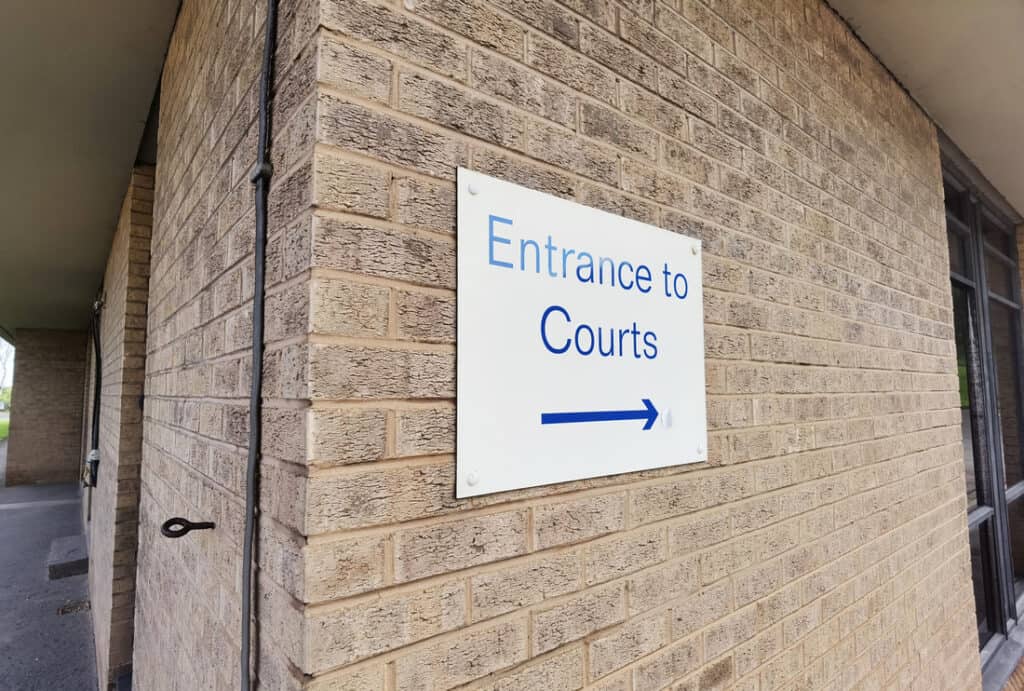
The city’s magistrates’ court heard today how the other driver was heading to see a friend and continued driving under the bridge with no oncoming traffic in her field of vision.
But in the immediate aftermath of the collision with Stevens’ Corsa, the other driver reported that all airbags in her vehicle went off and dashboard lights were flashing. She also heard what appeared to be attempts to start the Corsa’s engine.
Police attended the scene and spoke to Stevens. “She appeared to be drunk,” said prosecutor Peter Bardsley. Stevens was staggering in the road, slurring and trying to walk away, one officer stated.
Stevens, of Millholme Avenue, Carlisle, provided a positive breath test with the lower of two further evidential readings showing 84 micrograms of alcohol in 100 millilitres of breath. The legal limit is 35mcg.
In court she admitted drink-driving. Her lawyer, Laura Doherty, said: “It is right to say that Miss Stevens is extremely remorseful.”
Against a background of personal difficulty, Stevens had been out with friends earlier that day. She had then slept before getting in her car intending to purchase pain relief medication, which was when the crash occurred.
Stevens worked as a carer both for a council and a private provider, with character references provided to the court by her employers as well as friends. Her future job status was unknown, Ms Doherty saying: “She faces the very real prospect of losing her employment.”
The offence was out of character, and Stevens wished to convey her sincere apologies to all involved, her lawyer added.
District judge John Temperley imposed a £400 fine and an 18-month driving ban. Stevens was offered the drink-drive rehabilitation course which, if completed, will reduce the ban by 18 weeks.