A report has found that faulty wheels were to blame for a train derailment outside Carlisle which closed rail lines for seven weeks.
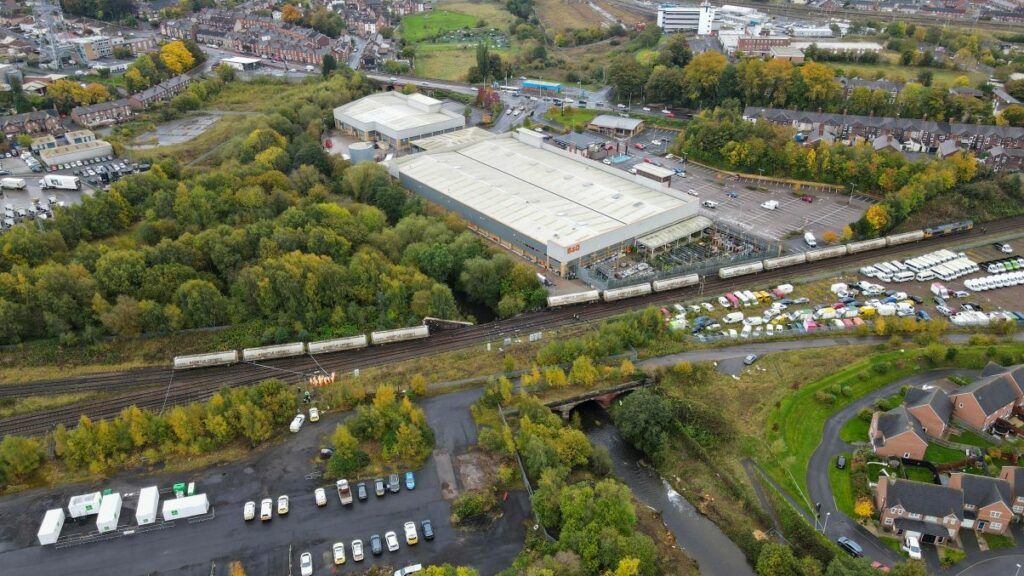
The railway at the Petteril Bridge junction was damaged after a train carrying 14 wagons full of powdered cement left tracks on Wednesday October 19 2022.
Passengers had to use rail replacement buses between Carlisle and Newcastle and the Settle to Carlisle line between Carlisle, Appleby and Skipton as the line was closed in both directions.
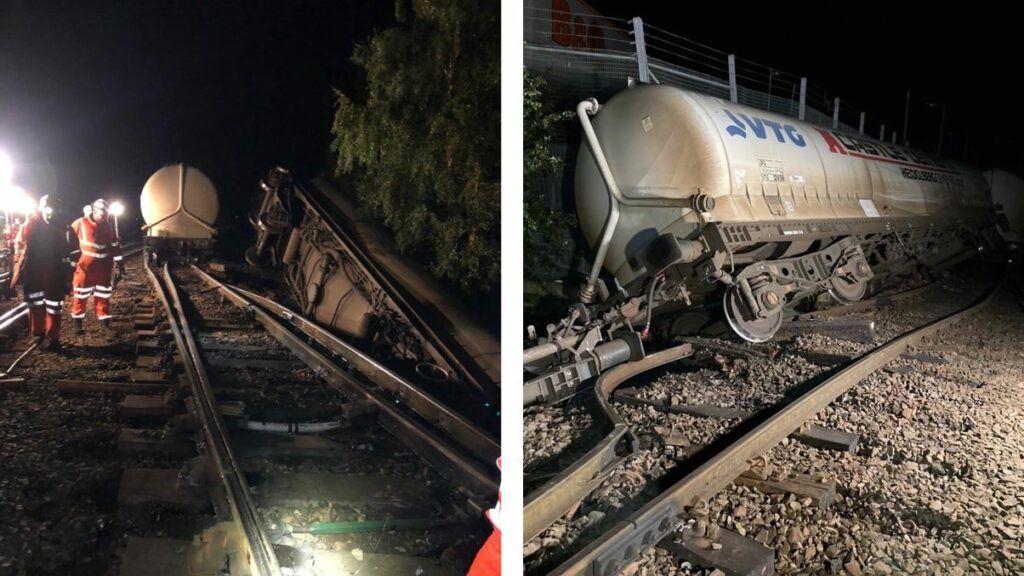
Five wagons – each filled with 80 tonnes of powdered cement – came off the tracks at Petteril Bridge Junction.
One wagon ended up in the River Petteril and two others came to rest on the railway embankment. An initial investigation said a faulty wheel was to blame.
An 800 tonne crane was brought in to recover the wagons.
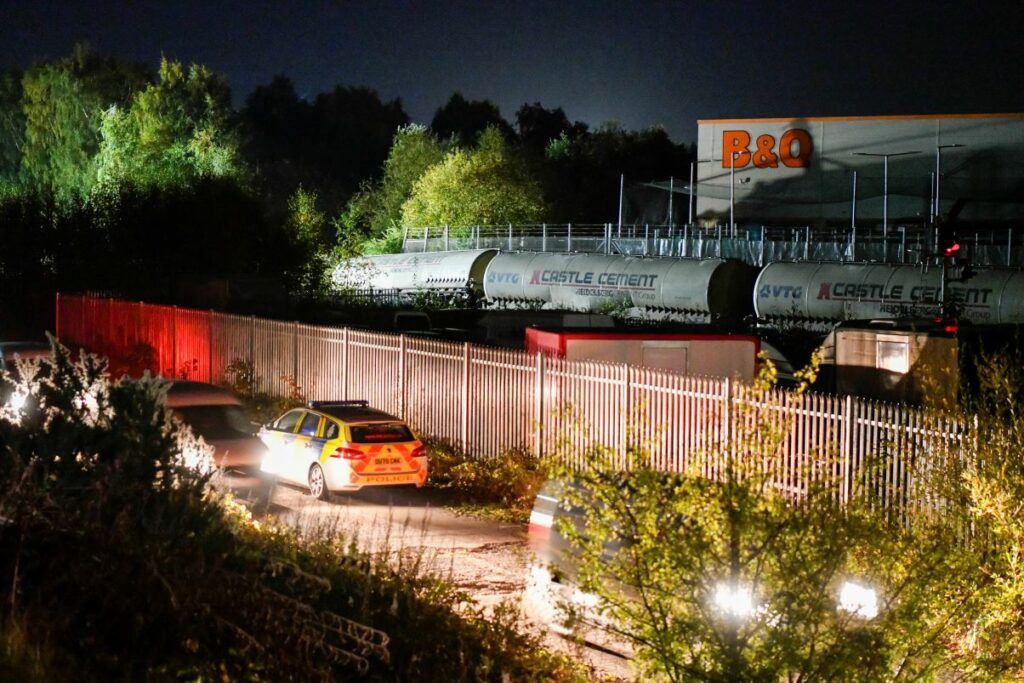
Huge damage was caused to a Victorian-built railway bridge, railway lines and signalling equipment during the incident.
The Rail Accident Investigation Branch carried out a probe into the incident and released its findings today, October 10.
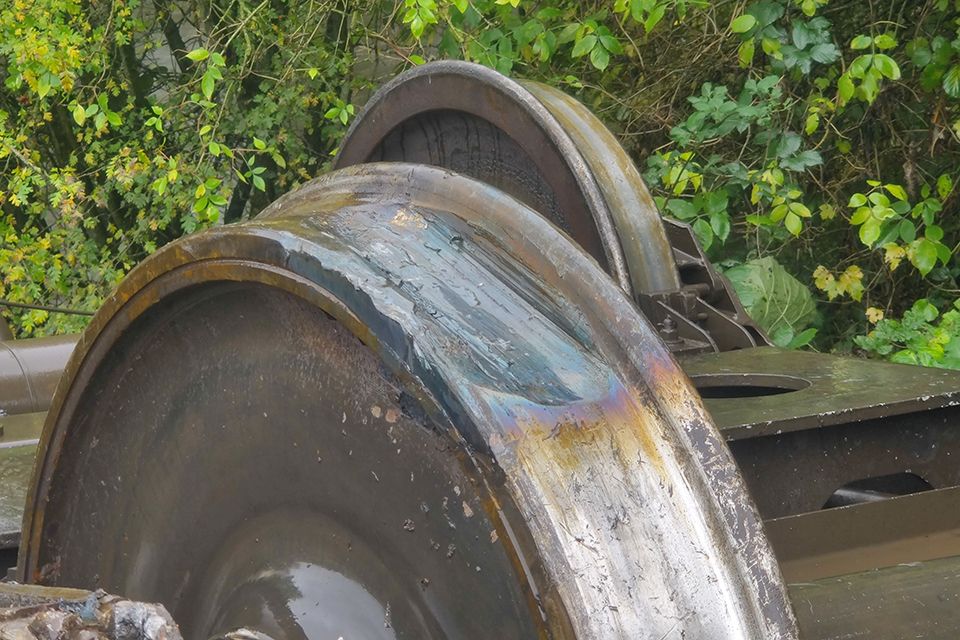
It said the derailment was caused by a set of wheels on the ninth wagon stopped turning.
It said: “These wheels had stopped rotating up to 55 miles before the derailment and continued to slide along the railhead causing considerable damage to the profile of the wheel treads.
“This meant that the wheels were unable to safely negotiate a set of points just before Petteril Bridge Junction, damaging them and causing the ninth wagon to become derailed.
“Five of the wagons derailed due to the consequent track damage and two of them fell off the side of the bridge where the railway crosses the River Petteril. The ninth tank wagon was ruptured and landed upside down in the river, although very little of the cement powder was spilled.
“The initial wheel slide was probably the result of a normal brake application made in low adhesion conditions that were not abnormal for the route at the time of year. The wheel slide continued because the adhesion between the wheels and the rails was then insufficient for the wheels to restart rotation.
“The non-rotating wheels were not identified by the signallers on the route, nor by the train driver or any engineered system, meaning that the train was not stopped before it reached Petteril Bridge Junction.”
The Rail Accident Investigation Branch has recommended that the railway industry undertakes work to understand the specific risks to freight trains in low adhesion conditions.
It has also said the industry’s rule book requirements for stopping and examining trains and the requirements relating to drivers looking back along their trains should be looked at.
It added: “RAIB has also identified one learning point for signallers, reminding them of the circumstances in which they should stop trains for examination.”