
Hungry families struggling to afford food now have an extra day to fill their shopping bags at a food project in South Cumbria – thanks to vital funding from The Cumberland Building Society.
The Ulverston Food Project is now open two days a week – on Mondays from 4pm to 5pm and on Fridays from 3pm to 4pm – with a variety of fresh, frozen and tinned produce available for those in need.
The project, based in the old St John Ambulance building in The Ellers, is being supported by The Cumberland’s Kinder Kind of Kitchens initiative which is donating £250,000 to FareShare Lancashire and Cumbria in a bid to help tackle food poverty.
The grant is allowing FareShare to offer funding to every one of their Community Food Members in Cumbria and some in Lancashire.
FareShare supplies 30 to 50 trays of food twice a week to the Ulverston Food Project.
Linden Grave, founder member of the project, said: “We ask families to pay £5 per household a week if they can afford it. That £5 pays for around £50 to £60-worth of shopping with a rich variety of goods on offer for the 60 families who currently use our Food Club.
“And if families can’t afford £5 we do have council funding which may help.”
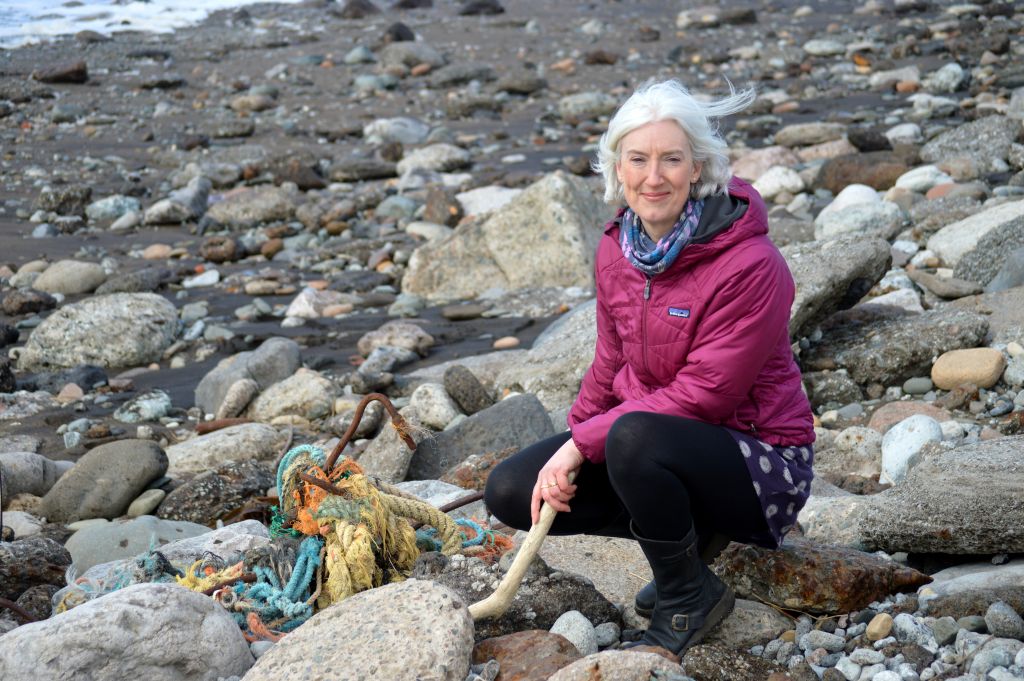
It is the variety of food that makes all the difference said Linden, who, along with her two children Aurora, 10, and Saul, eight, had to rely on food banks when Linden separated from her partner four years ago.
Linden said: “We were incredibly grateful for anything we were given at the time but not having a choice was difficult with two young children. I remember once being given a can of mushroom soup which my children just wouldn’t touch – but if it had been a different flavour I could have made a meal out of it.
“There is a lovely choice to suit all tastes at our Food Project. Last Christmas we were donated 120 turkeys with all the trimmings available too. It’s not just about eating to survive – it’s about feeling healthy and nourished. It’s about self-worth.
“Struggling to afford to feed your family can send people spiralling into a vicious circle of anxiety, isolation and poverty. We want to lift people out of that, building a community of people supporting each other.”

On top of the Fareshare supplies, Linden and her team of volunteers collect 1.5 tonnes of food “waste” from local supermarkets including Booths, Aldi and Marks & Spencer.
Fareshare redistributes the surplus foods that haven’t sold and often has weeks, if not months, before they hit their sell by dates.
Without Fareshare the surplus food would be sent to landfill – so this scheme is not only a lifeline for local shoppers but for the environment too.
Ulverston Food Project has evolved over the years from an environment enterprise, with a mission to cut food waste, to a vital lifeline for families struggling to survive in the pandemic and now the cost of living crisis.
“We started with five households and that quickly grew to 25,” said Linden. “Then Covid hit and we suddenly had 120 households to feed. We were a group of six volunteers, living and working in a bubble, determined to help those most in need.”
The project now boasts 80 regular volunteers and is looking to the future with plans to develop into a micro community centre with a warm hub, children’s art club and cafe.
Rebecca Gibson, The Cumberland’s cluster manager for Barrow and Ulverston, said: “It is clear that this project is meeting a vital need in the community and the place was buzzing when we were there.
“It would be easy to imagine a subdued, sad atmosphere when you think of why the project is there – but it’s the opposite of that. Everyone who is helping does so with a smile on their face. It’s an inspiring place to be and we’re proud that our Kinder kind of Kitchens funding now means this important project can open twice a week .”