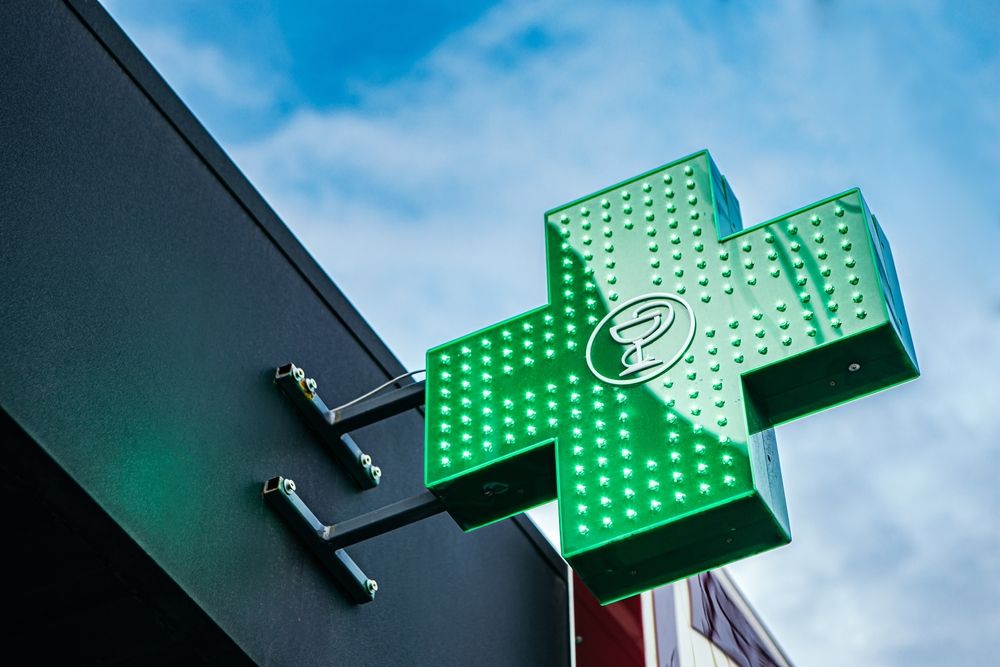
Community pharmacies in Cumbria are set to start offering treatment for common conditions and illnesses.
People will be able to get treatment for seven common conditions at high street pharmacies – without needing to see a GP first.
It comes as part of the Government’s Pharmacy First scheme that is aiming to transform the way the NHS delivers care.
It is hoped that the scheme will free up around 10 million GP appointments each year across the country and provide people with overall more access to care.
Pharmacists will be able to assess and treat the following conditions:
- Sinusitis
- Sore throat
- Earache
- Infected insect bites
- Shingles
- Uncomplicated urinary tract infections in women under 65
Medication for these ailments will also be provided when appropriate without a GP appointment or prescription.
Do I have to discuss my health concerns over a counter?
People visiting pharmacies with common health concerns do not have to discuss their problem over the counter.
Community pharmacies that are part of the scheme offer private consultation rooms to discuss concerns – giving people the same level of privacy as a GP appointment.
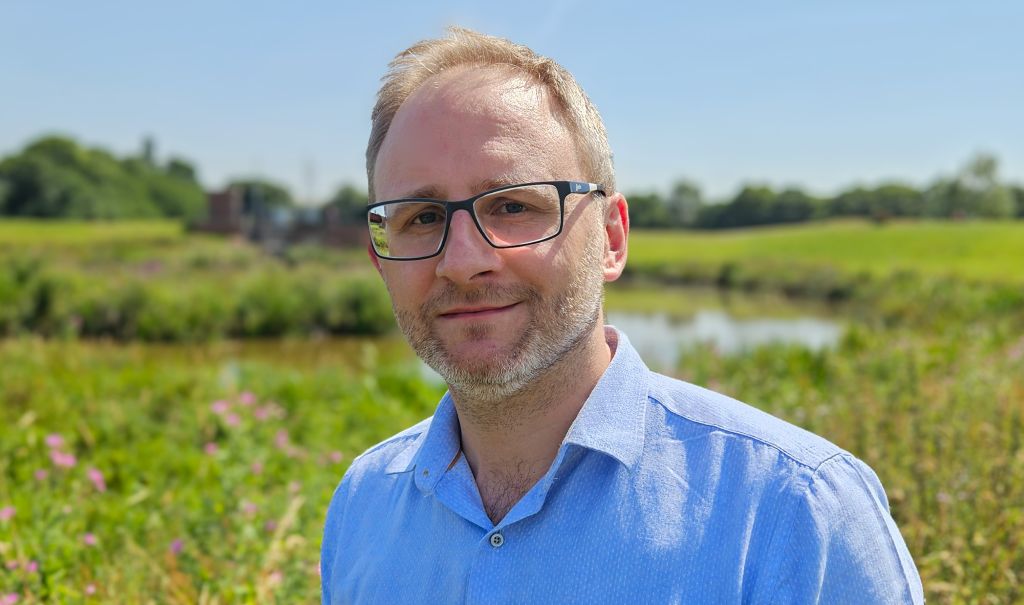
Kath Gulson, chair of the local professional network for Pharmacy First within the NHS Lancashire and South Cumbria integrated care board said the scheme was a ‘gamechanger’.
Kath, who is a community pharmacist by background, said: “It’s a big change for patients, pharmacies and the general public but we’re very excited about it.
“The idea is to take pressure out of the general practice and it means that doctors then have appointments for people who are more seriously unwell.
“In Cumbria we have around 100 community pharmacies and around 96 per cent have signed up to it. They may take a few days to get going but it’s a real gamechanger for the way people access NHS services.
“Pharmacists are highly trained and so are their teams and for common conditions it’s going to be much easier and quicker to get the help you need while bypassing the 8am rush to get in with your general practice.”
Kath added that the NHS is keen to see people take advantage of the new system.
She said: “In pharmacy we see these common conditions all the time. What’s great about this new scheme is if you come in with one of these conditions, you will be taken into a private consultation and if you present with specific symptoms we can now give medicines like antibiotics.
“Personally and professionally I’m really pleased about the scheme. It means we can use our skills and have that conversation with patients and do something about it – whereas in the past we’d have to tell people to go straight to a GP.
“As a pharmacist you’d think I know what this person needs, but the mechanism wasn’t there to give them what was needed. So it’s very professionally rewarding to see this scheme going ahead.”
Kath said that the scheme’s biggest challenge was making people aware of it’s existence as widely as possible.
She said: “The more we can get the word out the quicker people can access the services and stay away from the GP when it’s a minor condition.
“If people are nervous about using a pharmacy they can go have a chat with their pharmacist first who we know will do their best to reassure them.
“This scheme has been tried and tested in Scotland so we know it works well but it is about getting the general public to adopt that behavioural change which is not to be underestimated.”
The introduction of common condition care in community pharmacies builds on the expansion of the contraceptive pill service in December 2023
Around 550 pharmacies in the North West now offer women the chance to get a supply of oral contraception without needing to first see their GP.
In the future, the NHS is expecting almost half a million women a year to receive their contraception from their high street pharmacist.
Pharmacists are are also able to spot ‘red flag symptoms’ and signpost people to health care professions including making formal referrals into NHS care pathways.
Some pharmacies also open late when GP surgeries are closed and some are open until 10pm and no appointment is needed.
What else can the pharmacy help me with?
Services including blood pressure checks, COVID-19 jabs and flu jabs can be booked in community pharmacies and more medication has been made available over the counter.
This includes medicines like antimicrobial eye drops and skin condition treatments.
Community pharmacists can also offer help and advice on the following ailments:
- Aches and pains – back pain, headache, period pain, teething
- Allergies – bites and stings, hay fever and skin reactions
- Colds and flu – cough, congestion, sore throat, fever/temperature (including fever following immunisation)
- Ear care – earache, ear infections, ear wax
- Eye care- bacterial conjunctivitis, styes
- Gastrointestinal care – diarrhoea, constipation, indigestion, haemorrhoids (piles)
- Head lice
- Mouth care – cold sores, oral thrush, ulcers
- Skin care – athletes foot, contact dermatitis, atopic eczema, nappy rash, warts and verrucae
- Vaginal thrush
Other conditions are also able to be treated via medicines and treatment under the scheme. Medicines issued will be free of charge for people who don’t normally pay for their prescriptions, or charged at the usual NHS prescription rate for those who do.