An ambitious project is underway to rewet and restore peatlands in Cumbria.
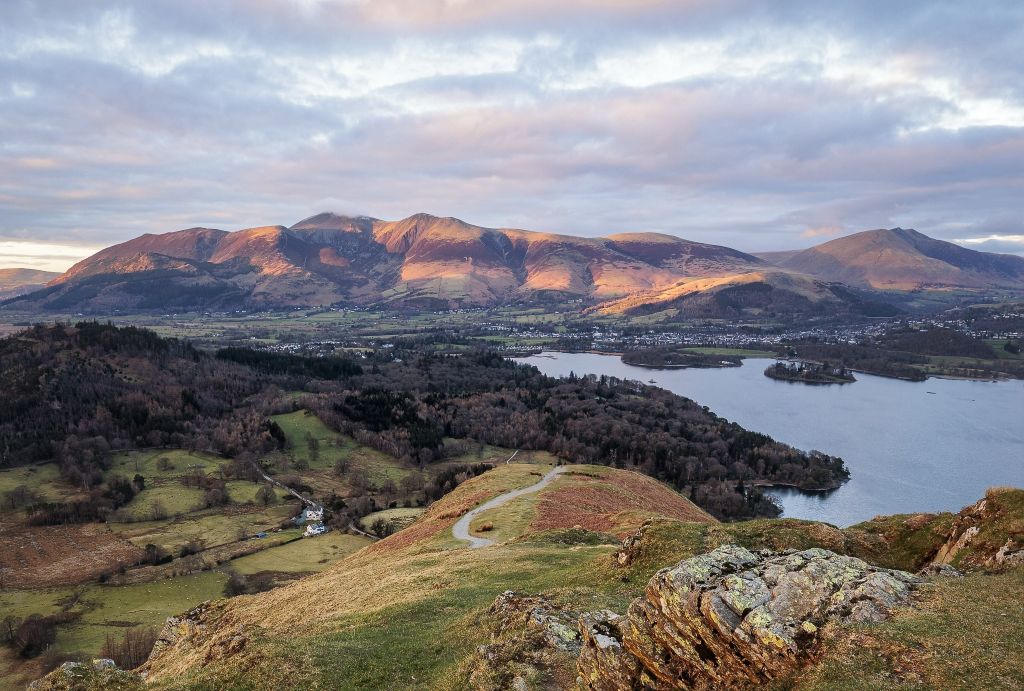
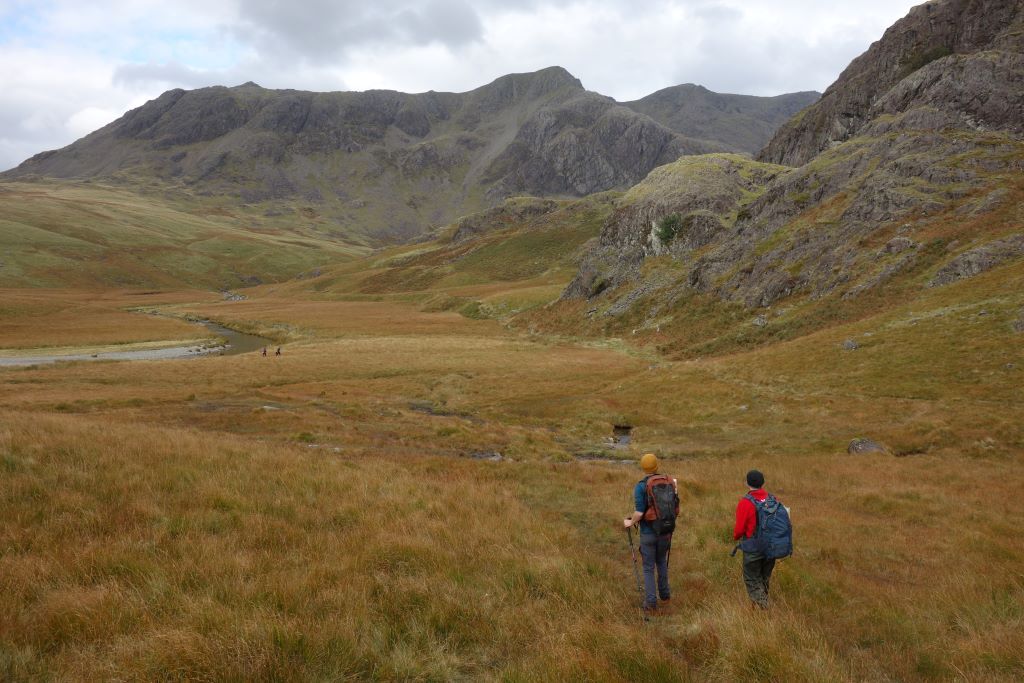
A partnership is working on the scheme at Watermillock and Matterdale Commons in the Ullswater catchment and on the remote Eskdale Common in the Esk catchment.
The National Trust, Cumbria Wildlife Trust, Forest of Bowland National Landscape and United Utilities as part of Natural England’s Nature for Climate Peatland Grant Scheme Project are working with the commoners during the planning.
The Nature for Climate Peatlands project aims to improve these areas of peatland from a degrading state to a recovering and eventually fully recovered vibrant, healthy blanket bog rich in peat forming sphagnum moss.
The sites presented here represent a portion of the projects’ greater ambitions which include restoration across ten sites through the Lake District and the Forest of Bowland National Landscape.
Work has begun to restore about 500 hectares of the Watermillock and Matterdale Commons, delivered by UK experts in nature-based solutions to land management.
On Eskdale Common, machinery is planned to be arriving on site for work to begin in early November and a helicopter is scheduled to lift the necessary materials out to this remote location in mid-November, also delivered by specialist contractors.
The partnership said healthy peatlands were brilliant at providing homes for wildlife. They remove CO2 from the atmosphere and store carbon in the peat soil while helping to reduce the risk of flooding.
They also preserve evidence of the past due to the slow rate of decay of organic materials in the soil. They play a vital role in tackling climate change; however dry and damaged peatlands release more greenhouse gases than they take in. In the UK, 10 million tonnes of carbon dioxide are released into the atmosphere every year through damaged peatlands.
Work at the sites will involve:
- Re-profiling hags and gullies to reduce erosion and help with revegetation.
- Building mini dams to create pools and installing peat bunds and blocking drains to hold the water and re-wet the area, because peat can only form in wet conditions.
- Planting special vegetation like cotton grasses, crowberry and sphagnum mosses which are an essential component of blanket bogs due to the way in which they grow and break down.
In future years, the National Trust said it hoped to see a more diverse array of sphagnum mosses, lichens and shrubs as well as an increase in upland wildlife including curlews, large heath butterflies and dragonflies.
John Hooson, nature conservation advisor for the National Trust, said: “Successful delivery of this programme of restoration work will begin a process of large-scale peat recovery, helping to reduce the release of greenhouse gases from the sites.
“The repaired peat soils will also help hold more water, benefitting specialist bog flora and fauna, and helping to reduce flood-risk downstream.”
The Defra-funded Nature for Climate Peatland projects, administered by Natural England, are a programme of upland peatland restoration works led by the National Trust and delivered by the charity’s partners Cumbria Wildlife Trust and Forest of Bowland National Landscape with additional funding provided by United Utilities.