A strategy has been agreed that aims to bring 10% of empty homes back into use each year for the next five years by Westmorland & Furness Council.
A report to the authority’s cabinet said there were currently 2,358 homes defined as ‘long-term empty’ in Westmorland and Furness, with more than 900 of those in the Furness area.
Long-term empty properties are ones that have been identified as being vacant for more than six months.
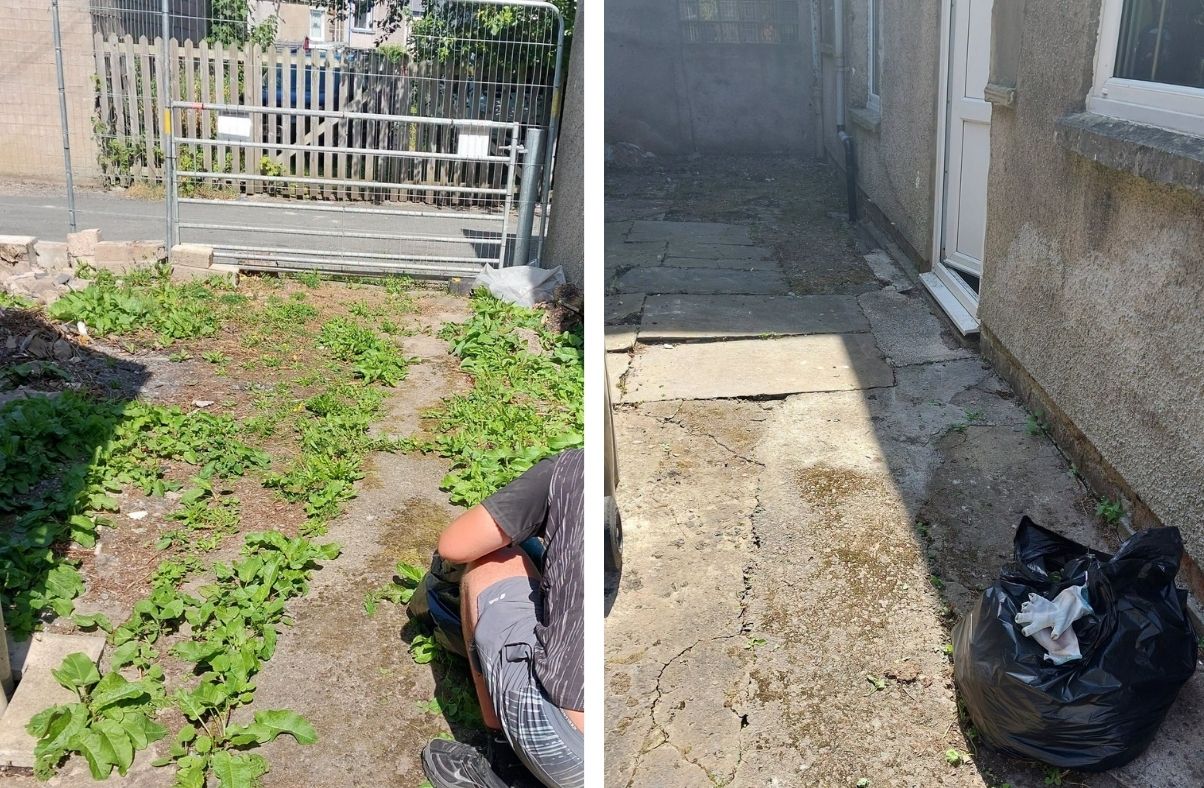
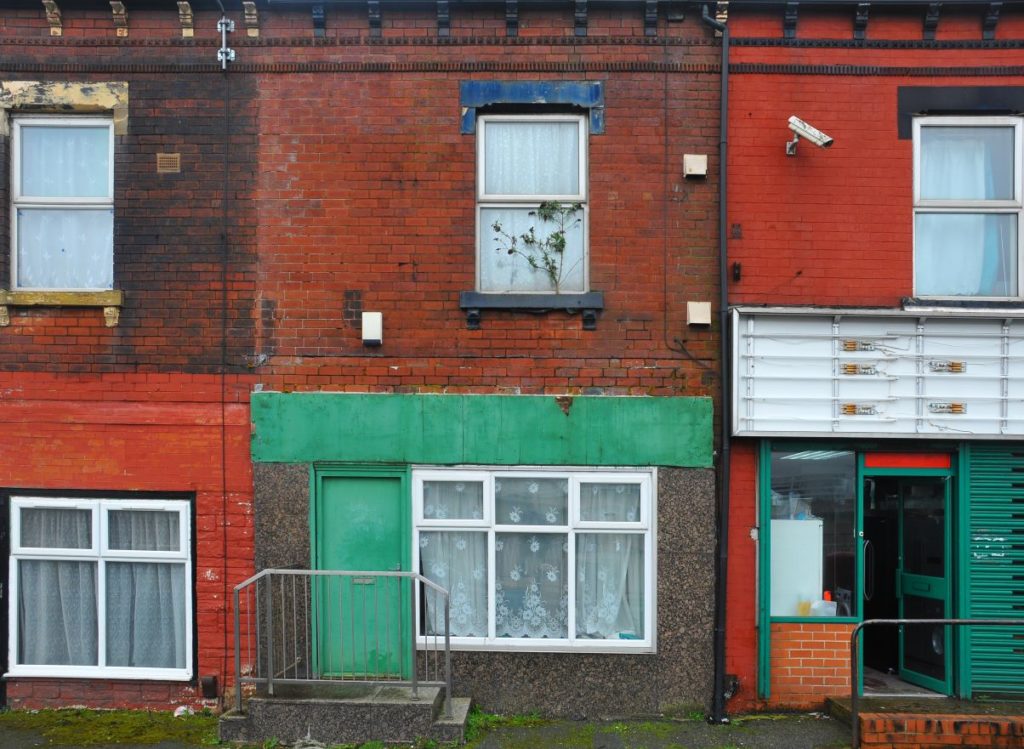
Empty properties can attract vandalism and anti-social behaviour, can have a direct impact on adjoining homes through issues such as damp and structural problems and unsightly empty homes can have a detrimental effect on house prices and contribute to a lack of pride in the area.
Cabinet members approved a new Empty Homes Strategy at their meeting on Tuesday, which sets out the measures the council will take to reduce the number of empty properties in its area.
The report said there were a number of reasons why properties could stand empty, including being up for sale or rent for a long period, or are being repaired or renovated. The previous owner may have died and the person who inherits can take time to decide what to do with the property or can’t afford to fix it, and some houses become empty when the owner goes into care or when it becomes uninhabitable, for example following flooding.
The report added: “Dwellings can naturally become empty for periods of time, normally due to the buying or selling process or when an owner is deceased. However, when a dwelling remains empty for a significant period of time, or is attracting unwanted attention, then it is considered to be a nuisance empty property.’’
To address the issue the council has already invested £460,000 in additional resources to identify empty homes and bring them back into use and has now developed the strategy, which outlines how the council will record empty homes, work with property owners to assist and advise them on ways to bring empty homes back into use and, as a last resort, how the council could take enforcement action in extreme cases.
The council has set a realistic annual target of bringing 10% of empty homes back into use over the strategy lifetime of 2025 to 2030.
The report added: “The target reflects the complexity of this work but will still deliver on much needed housing for our residents. We will continue to do all we can to encourage empty home owners to bring their empty homes back into use and include enforcement measures where necessary. Ultimately, our goal is to increase the supply of housing, whilst positively impacting on the quality of life of our residents.
“Our action plan will help to address the problems caused by long-term empty homes so we will concentrate our resources on those homes that have been empty for one year or more, as it is these empty homes that can often cause the most nuisance.’’
To support the strategy’s aims to bring empty properties back into use, Westmorland and Furness Council agreed in February 2024 to a 100% Council Tax premium on properties that have been empty and substantially unfurnished for between one and five years.
This premium increases to 200% on properties that have been empty for five to 10 years and rises to 300% on those that have been empty and substantially unfurnished for more than 10 years.