An appeal for volunteers to help save curlews in Cumbria has been a resounding success – with 48 people offering to help.
A recent volunteer evening hosted by the Melbreak Curlew Recovery Project, attracted a surge of interest for people wanting to get involved.
The Curlew Recovery Project, based in and around the Cocker Valley, started early in 2024 in response to the rapidly declining number of curlews, now on the Red List of the UK Conservation Status Report of endangered species.
Following an introduction to the evening from David Gardiner, chair of the Curlew Recovery Project, Diana Clarke spoke about her rewarding experiences as one of the first volunteers.
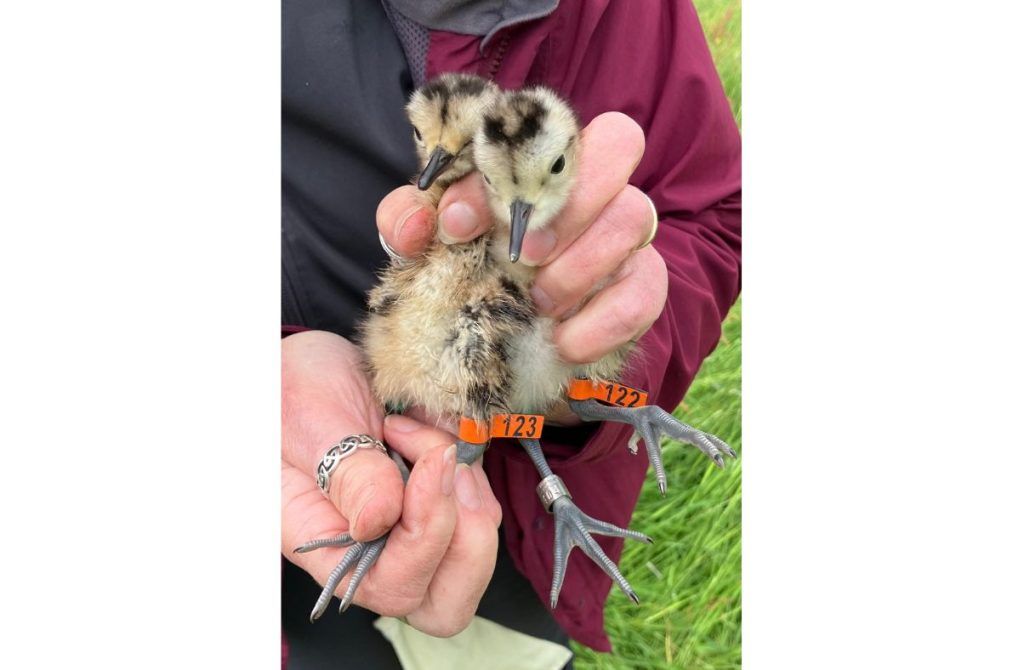
Diana was part of the team that saved four curlew nests last year, from which 11 chicks successfully hatched.
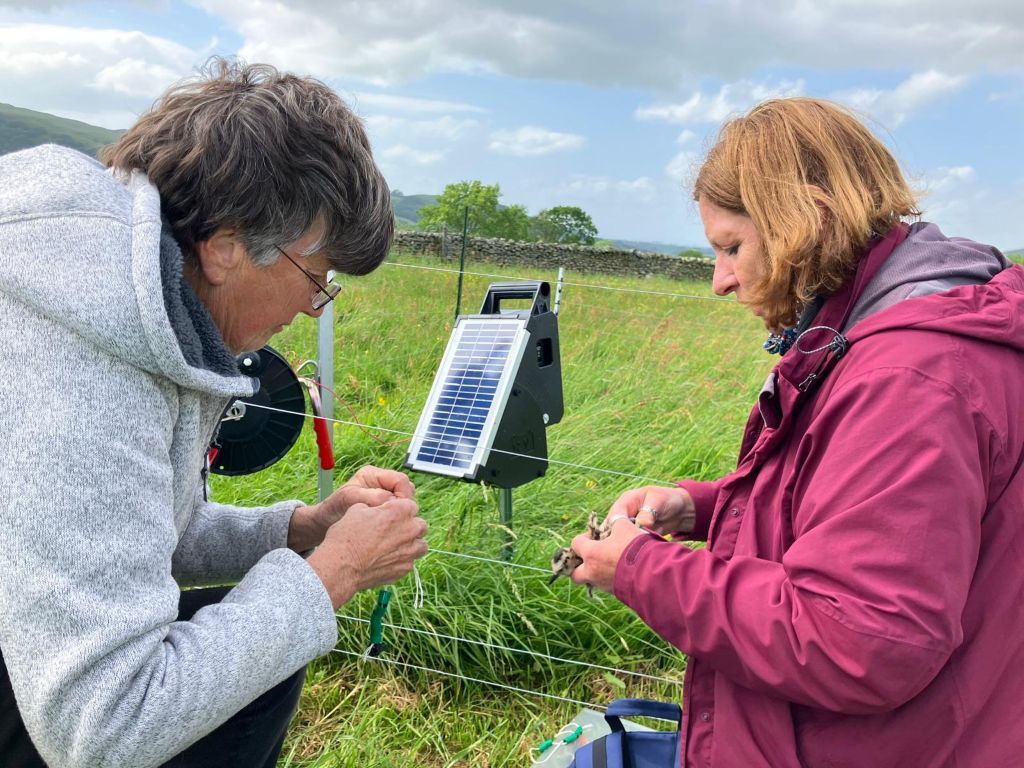
There followed a speed dating-style session, comprising four tables with displays, each hosted by an experienced volunteer, describing volunteer opportunities available – surveys and mapping, nest finding and monitoring, and protective fencing and maintenance.
Volunteers were able to visit each table to learn what is involved and to see and handle all the equipment used. Last, but not least, The Engine Room covered administrative roles, monitoring and analysing information, publicity and fundraising.
As well as visual storyboards about the life of the curlew, a recording of the song of the curlew was periodically played.
David said: “The response from new volunteers has been amazing and we are delighted to welcome them to the group. We have received very positive feedback, which clearly demonstrates that residents, farmers and landowners alike, some beyond our local area, share a deep seated concern and interest in recovering nature and wildlife.
“With extra funding from Farming in Protected Landscapes (FiPL), we have been able to purchase further equipment and we now look forward to extending our work by protecting an increasing number of nests. With the help of our extra volunteers, we are on track to do just that! The first spring curlews have already been heard in the valley and we are excited about the year ahead.”
Diana said: “It’s such a privilege to be involved in this project. I have learnt so much about these wonderful birds and it makes me all the more determined to do all I can to save them.”
For more information, or to get involved with the Curlew Recovery Project, contact David via [email protected]
If anyone sees or hears curlews in and around the Cocker Valley, an email to [email protected] would be appreciated, the group said, with the date, time and location.
The Curlew Recovery Project has been funded by Farming in Protected Landscapes (FiPL) and is part of the Melbreak Wildlife Group, an initiative of the Melbreak Communities.