
Angela Herdman has clocked up decades of service for Stagecoach while campaigning to raise awareness of the heart condition her daughter died of.
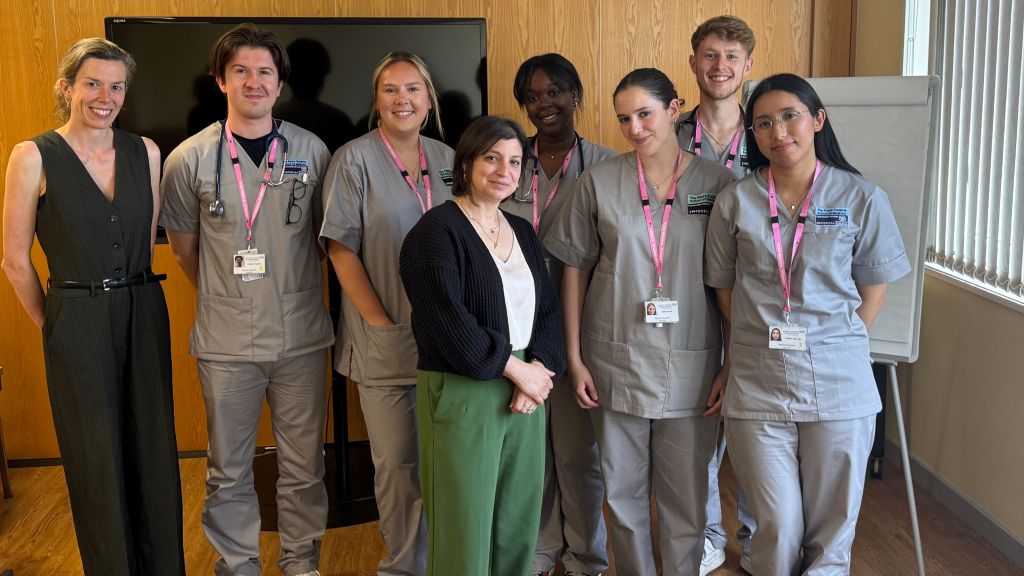
The 61-year-old is an engineering clerk at the Barrow’s Stagecoach depot where she has worked for 33 years, earning a long-service award in 2022.
“I started off as a bus cleaner, and then a job came up in the office. I put in for it, I got it, and I’ve worked there ever since,” said Angela, of Walney.
“It’s admin – doing all the job cards and the defect cards, doing the fuel, the wages. I do the stores as well. So that’s booking in, issuing, getting in touch with various places for parts.”
Away from work, Angela is an ambassador for Cardiomyopathy UK, following her daughter Carly’s death in 2012, just days after giving birth to her son.
In the run up to International Women’s Day this weekend, Stagecoach is displaying posters on its buses in North Lancashire and Cumbria with information about the disease to help raise awareness of cardiomyopathy to other passengers.
Angela, who also has a son, Luke, was unaware of cardiomyopathy before Carly died but has since campaigned to raise funds and awareness, particularly within the medical profession in the UK.
“Now it’s in the media, it’s out there. It’s gone from tiny ripples in a pond to a tsunami,” she said.
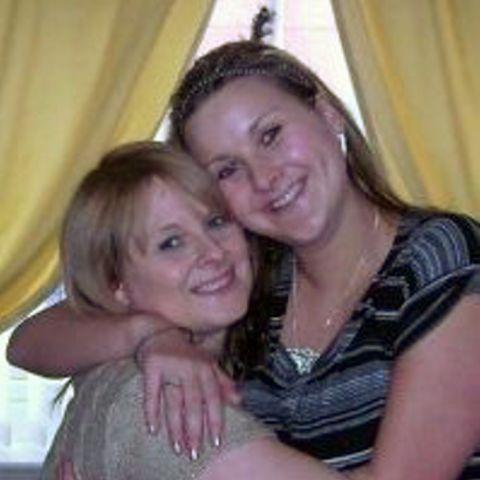
“It’s in the midwifery curriculum which is massive. I met Carly’s friend and she said to me, this has been put in the curriculum. And I started crying because I was just overjoyed, because I would never want another family to go through this.”
Cardiomyopathy is a disease of the heart which can affect women in pregnancy. Carly died at Furness General Hospital in Barrow, seven days after giving birth to her son George, who will turn 13 this year.
Angela is still horrified that the symptoms were not recognised but determined that her daughter’s death should not have been in vain.
“I’d never heard of it before,” she said. “Carly was treated for entirely the wrong thing – she was treated for pneumonia and she needn’t have died, which is absolutely soul-destroying.
“I started doing some digging on it. In America, it’s not so rare, and they test for it in pregnancy. So I wanted to know why we didn’t have that here.
“Most times it can be reversed. Carly died on the Wednesday and up until the Monday that could have been reversed had she been treated properly.
“But the first time I heard it mentioned was when she was in intensive care, fighting for life, and it was too late then.”
The following year Angela led Carly’s family and friends on the annual Keswick to Barrow walk, raising around £10,000.
She has since raised thousands more, become an ambassador for the Cardiomyopathy UK charity and been invited to speak at conferences on the issue.
“At a conference in Kendal, I spoke about Carly and made everyone cry, But I wanted to make everyone cry because I wanted the impact of what that would do to them in terms of remembering; I wanted some young doctor when he was looking at a patient to go, this could be cardiomyopathy, and I think that’s what I got from it.”
Angela’s fundraising tailed off after Covid but she is returning this year with an event at Cloud Nine in Barrow on September 6. Carly, who was a senior planner at BAE Systems, would have turned 40 on August 31 and her mum couldn’t let that birthday go without marking it.
“I can’t just do nothing so I’m throwing a party and making it a fundraiser for my group Carly’s Angels,” she said. “I always put a thing on about International Women’s Day, because I think she’s made a difference in people’s lives. I know for a fact girls have been saved because of Carly.”
What is cardiomyopathy?
Cardiomyopathy is a disease of the heart muscle. It isn’t a single condition, but a group of conditions that affect the structure of the heart and reduce its ability to pump blood around the body.
Around 1 in 250 people in the UK are affected.
How does the heart work?
The average adult heart is around 12cm long and beats around 70 times each minute, pumping over 7,000 litres of blood per day.
The heart is at the centre of the body’s circulatory system. It is a vital system that delivers oxygen and nutrients via blood cells, and removes carbon dioxide from the blood. The heart is a muscular pump that circulates blood through blood vessels by rhythmically contracting and relaxing.
The heart sits in a cavity behind the sternum (breastbone).
The heart needs a supply of oxygen and glucose to work. This is provided by blood carried to the heart by coronary arteries which lie on the outer surface of the heart and away from the heart by cardiac veins.
The heart is made up of four chambers; two on the right and two on the left. Although they work in time with each other, the two sides are separated by a muscular wall called the septum.
The upper chambers are the right and left atria. Their muscle walls are thin and elastic, and they collect blood coming into the heart. The lower chambers are the right and left ventricles, a thicker muscle which receives blood from the atria above.
For more information, visit https://www.cardiomyopathy.org/