Over 40 new volunteers have been trained up to help save curlews in Cumbria.
There was a tangible atmosphere of excitement when the first calls of the curlew were heard around the Cocker Valley in March.
While the curlews were overwintering around coastal areas and estuaries, where food is plentiful, the Melbreak Curlew Recovery Group has been working hard to be in the best position to save even more nests this year.
With further funding from Farming in Protected Landscapes the group purchased extra equipment and is now able to extend its work to protecting curlews.
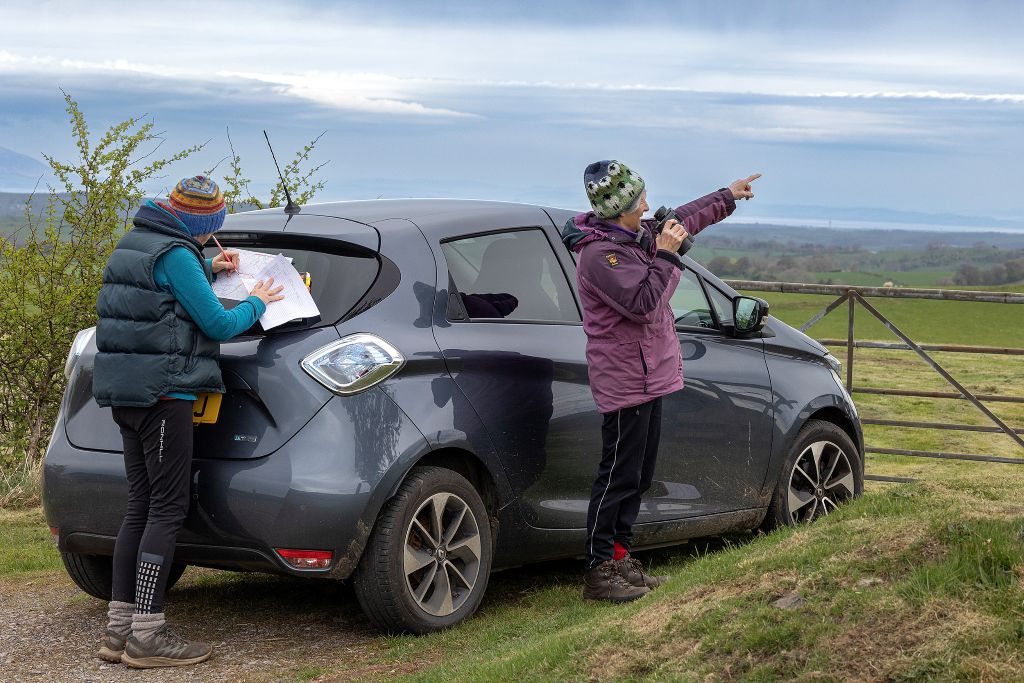
Training has also been given to prepare over 40 new volunteers for survey days to locate the returning curlews and later, nest sites.
The group said the cooperation of local farmers and landowners in allowing access to land and giving permission to protect nests is invaluable and a growing number are supporting curlew recovery as the project gains momentum.
With the breeding season well under way, a trained fencing team of volunteers is also erecting temporary solar powered electric fencing around located nests, which are constantly monitored.
The group is hoping to successfully increase the local curlew population, halting its decline and the project is fortunate to have the expert support and advice of Thalia Sparke from British Trust for Ornithology who rings hatched curlew chicks as well as training other volunteers to ring birds.
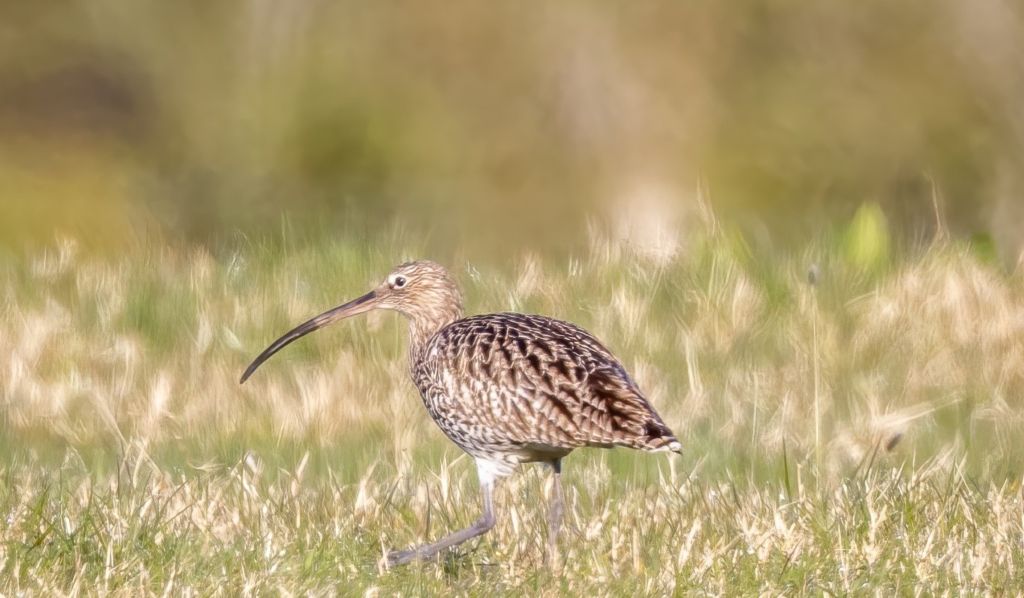
The Eurasian Curlew is Britain’s largest wading bird, returning to valleys, farmland and moorland to breed.
They are ground nesting, secretive birds and nests are difficult to locate.
Curlews lay four eggs in April and May. Hatching after four weeks, chicks fledge 32-38 days later.
Due to low breeding success, largely caused by loss of habitat and biodiversity, as well as an increase in predators, the curlew is in rapid decline and with a 60 per cent loss of population since the 1980’s, it is listed as vulnerable to extinction and of highest conservation concern.
If you are interested in supporting curlew recovery in the Cocker Valley and would like to be involved, please contact David Gardiner [email protected].
The Melbreak Curlew Recovery Project is part of the Mealbreak Wildlife Group, initiated by the Melbreak Communities.