A commitment from Cumbria’s Police, Fire and Crime Commissioner David Allen to work with the council to tackle problems with fly-camping, inconsiderate parking and related anti-social behaviour in the Lake District has been welcomed.
Westmorland and Furness Council leader Councillor Jonathan Brook has written to Mr Allen, thanking him for his interest and action on the issues, which have been raised by residents and businesses across Cumbria who have concerns about the impact on the environment, health and safety and the local economy.
Along with senior Westmorland and Furness Council officers, Councillor Brook attended a meeting with Mr Allen last week, along with representatives from Cumberland Council and key partners including Cumbria police, the Lake District National Park Authority and the National Trust.
In his letter to Mr Allen, Councillor Brook outlined the action the council is already taking to tackle the problems and its work with other organisations and landowners through the Cumbria Strategic Visitor Management Group, which is chaired by the national park authority.
Councillor Brook wrote: “As you are aware, there are more than 18 million people who visit the Lake District each year, many of whom have a special relationship to this beautiful place and are respectful of the landscape.
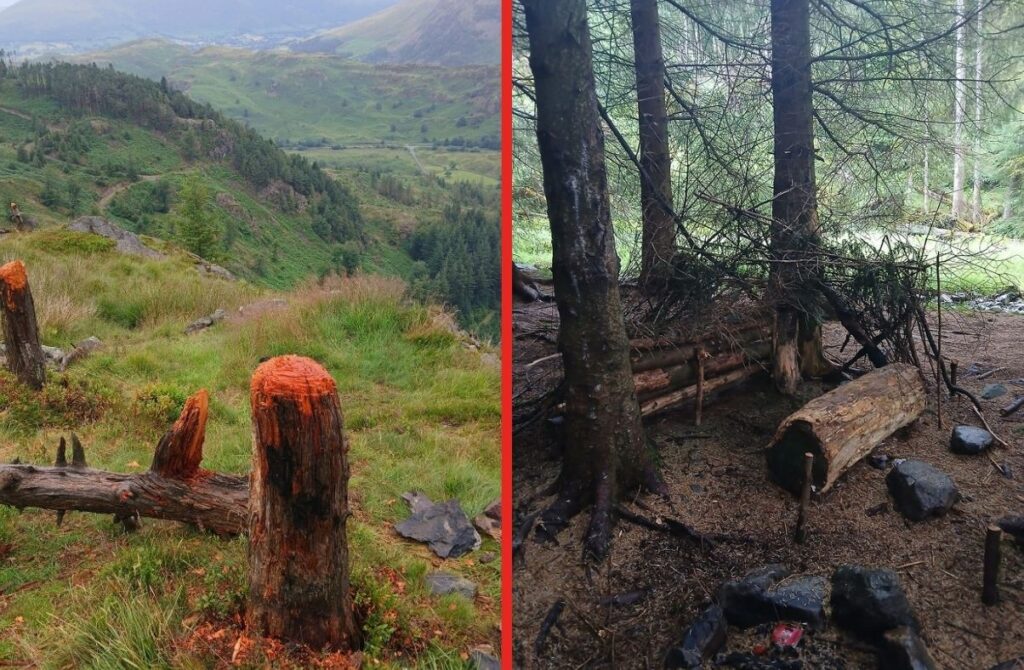
“However, Westmorland and Furness Council, Cumberland Council, Lake District National Park Authority, Cumbria police and other agencies are saddened to see instances of littering, fly-camping, fires being lit and inconsiderate parking, particularly in popular areas.
“This behaviour impacts on our environment, on health and safety and our economy. These issues can lead to increased demands on our emergency services, environmental damage, and additional expenses for clean-up and enforcement.
“We very much recognise concerns of residents and landowners about these issues and, as outlined in our meeting, we are committed to working collaboratively with partners to address the problems highlighted.’’
Where pressures are notably high, Councillor Brook noted there were already Area Action Plans and Visitor Management Plans in place in Westmorland and Furness, including for Stang End and Cathedral Caves, Harrowslack, Hawkshead and West Windermere, and Ullswater.
Through the strategic group, the council has undertaken joint multi-agency patrols and has more planned over the busy summer months to advise and educate about the issues and impacts caused by fly-camping, litter, inconsiderate and illegal parking and anti-social behaviour.
Councillor Brook added: “We will continue to work collectively on coordinated plans and strategies to address these matters — with a strong focus on public education, clear communications and messaging, joint enforcement and long-term prevention.
“We are aware that a number of issues are taking place on private land where the council does not currently have any powers to carry out enforcement activity, and that landowners may already be working with the police and partners to look at methods of tackling these issues through different powers.
“However, Westmorland and Furness Council is also exploring extending our existing Public Space Protection Orders in the areas most affected by fly camping and anti-social behaviour, including Coniston Water East Shore, Windermere West Shore and Blea Tarn, which will be going out to consultation shortly.’’
Community consultation is required before orders can be extended, but if adopted, it would provide additional powers to take action and act as a deterrent to prevent nuisance behaviour, with police and officers authorised by the council able to enforce the orders.
If a person is found to be in breach of an order they can be issued with a fixed penalty notice or fined up to a maximum £1,000 on conviction.
Councillor Brook’s letter added: “Orders are a useful tool as part of a wider approach to tackling issues, and the council’s preferred and current approach is to work alongside partners to educate and encourage responsible and kind behaviour, with enforcement only considered where this guidance is ignored.
“As discussed at our meeting, the council will continue to work with other agencies through the SVMG undertaking joint, targeted patrols to encourage appropriate behaviours and outlining the negative impacts of fly-camping and associated offences.
“We will also work with partners to ensure clear public messaging so that visitors and residents alike understand the expectations and consequences of fly-camping, littering and other anti-social behaviour.”