A five-year plan to manage the landscape around Arnside and Silverdale has been drawn up and people can have their say.
Classed as a protected landscape, it falls under the jurisdiction of Westmorland and Furness Council, Lancaster City and Lancashire County councils and a draft plan setting out how the area will be managed from 2026 to 2031 has just been compiled.
The area was designated a landscape of national importance in 1972 and covers an area of straddling South Cumbria and north Lancashire.
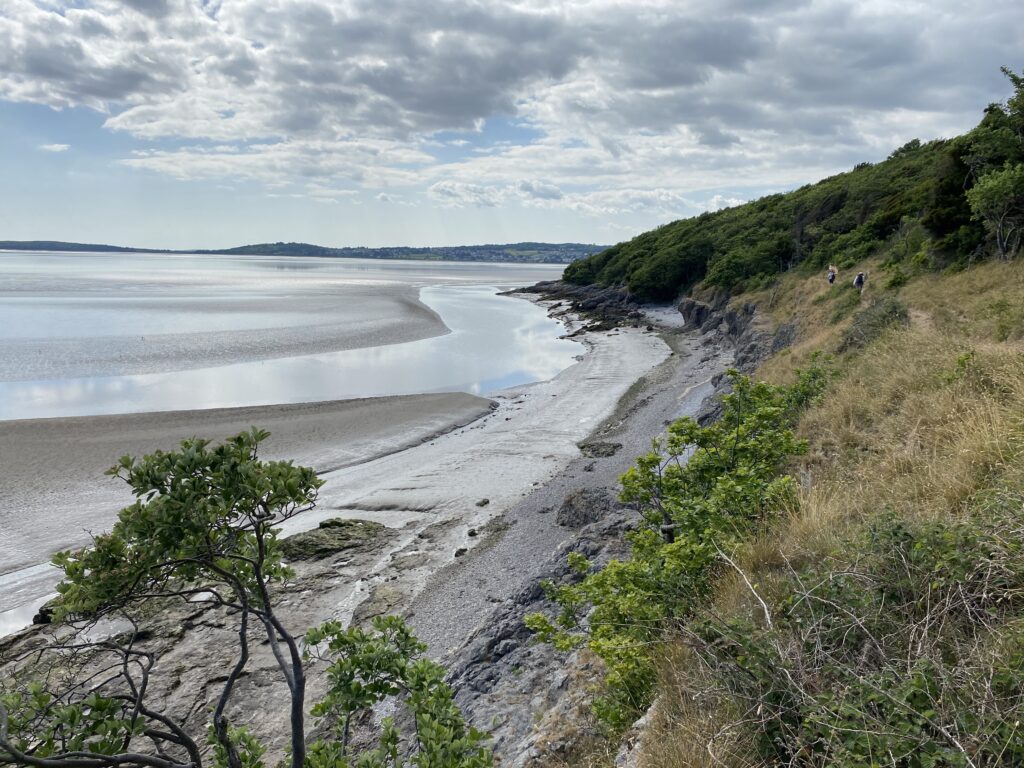
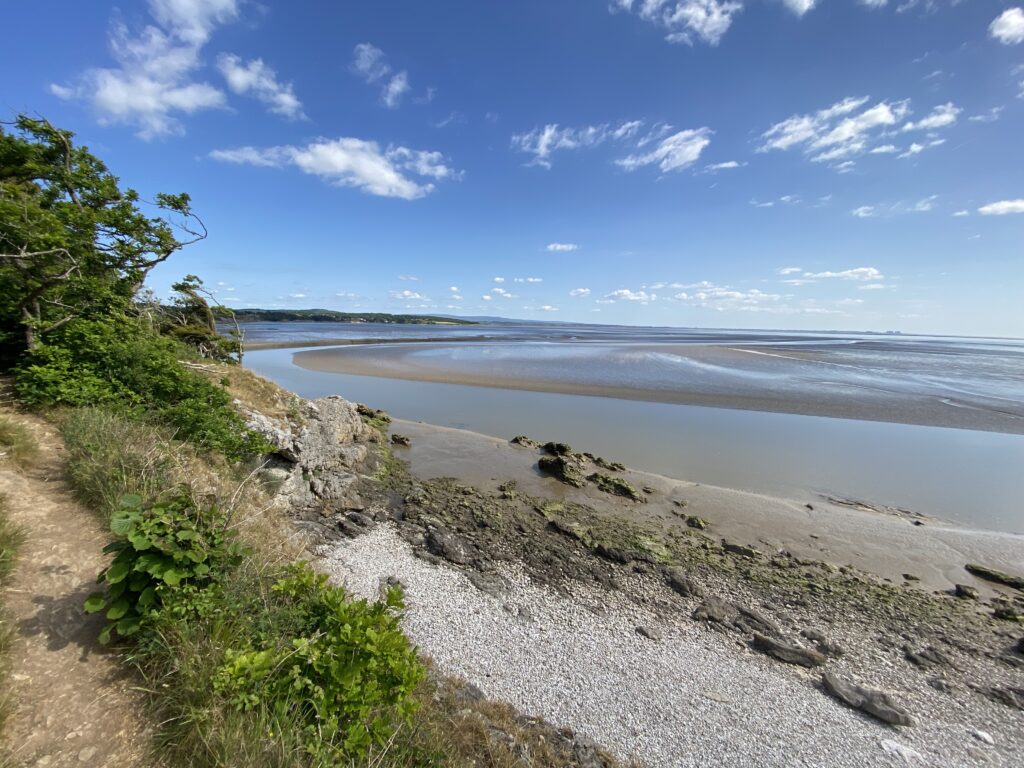
While 40% of the area is classed as mudflat and saltmarsh it also includes limestone hills, limestone pavements, woodlands, mosses, pastures along with distinctive settlements, historic buildings and heritage features.
The report said while there are 300km of hedgerows, 492 hectares of ancient trees as well as 10 scheduled monuments, there were challenges.
The sole lake in the area is described as in a bad condition while four of 119 feature conditions were said to be declining.
The draft plan highlights the threat posed to the area from the effects of climate change.
Drier summers and wetter winters are said to be affecting the mosaic of habitat niches and the species they support while areas of the coast are at risk of sea level rise, changes to patterns of erosion of salt marshes and heavy rainfall is impacting low-lying coastal grasslands and peat lands.
The report calls on a land managers and communities within the landscape to ensure habitats, species, farmland and infrastructure are resilient and can withstand the predicted changes.
The area’s important role in acting as a home for a wide range of plants, mammals, invertebrates, fish and fungi, is highlighted.
Scotch Argus and Northern Brown Argus butterflies are found in the area, the southern edge of their UK range while populations of the Small Pearl Bordered Fritillary, Pearl Bordered Fritillary and Duke of Burgundy are also present at their northernmost limit.
The report also says well over half of the UK’s flowering plant species have been recorded in Arnside and Silverdale including 29 nationally rare and 48
nationally scarce species including 15 British native orchids.
The landscape is one of the few locations inhabited by the Lancaster Whitebeam found only around Morecambe Bay.
The RSPB’s Leighton Moss reserve, which attracts around 100,000 people annually, falls within the area and is home to bittern, marsh harrier and bearded tit.
A survey of Warton Crag carried out 10 years ago revealed it was home to an enclosure dating from the Bronze Age leading to a theory that the crag was a trading post and confirming the monument as unique in the North West.
7,400 people live in the area with an average age of 53.
“We all have a collective responsibility to conserve and enhance our beautiful landscape and I would like to encourage as many people as possible to contribute,” Cllr Helen Chaffey, the acting chair of the Arnside & Silverdale National Landscape Partnership writes in the document.
“This is our collective opportunity to be part of conserving and enhancing the natural beauty of the place in which we live and also ensuring that it continues to be a place where people can thrive.”
The draft Arnside & Silverdale Management Plan for 2026-2031 is now available for public consultation until October 17.