National Trust staff and the volunteers face continuing uncertainty as the organisation aims to make £26 million-worth of savings.
The charity, which owns 20% of the area including Wastwater and Scafell, announced in July it faced cutting around 500 jobs nationally from a workforce of 11,000.
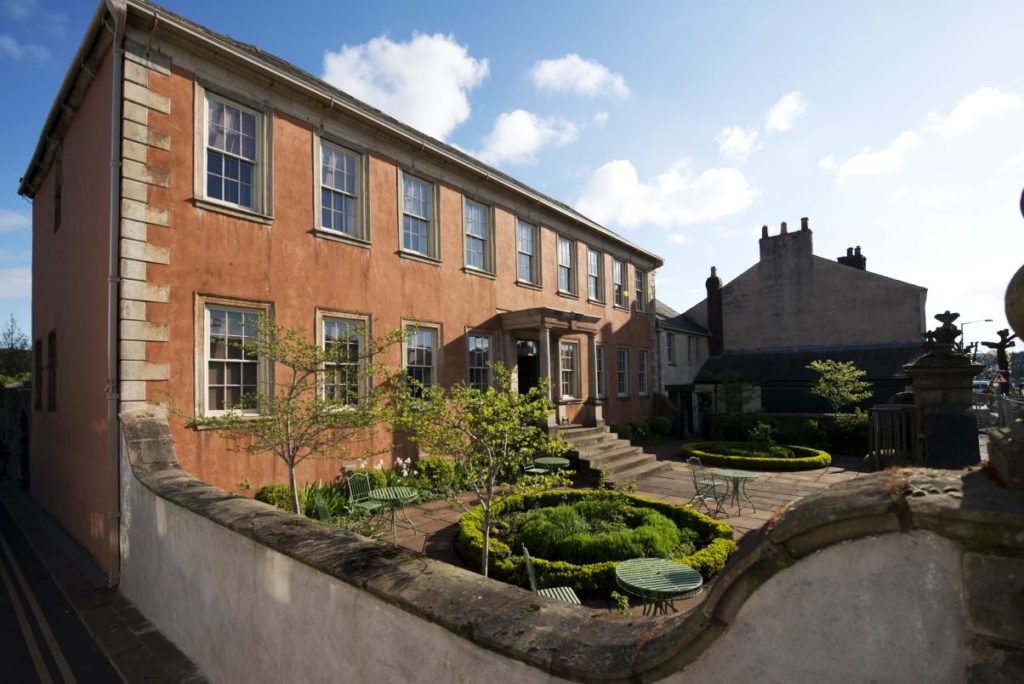
Among buildings owned by the trust which are being reviewed is Wordsworth House in Cockermouth.
Cumbria Crack was contacted by people concerned at its future and was told it was likely it would be only open with reduced hours next year.
The charity couldn’t tell us how many people it employed in Cumbria or what proportion could be affected, but it is understood staff who have applied for voluntary redundancy have now been told if they will be leaving the organisation.
As well as redundancies it is understood a reorganisation of the trust is also taking place with the aim of having new structures in place early next year.
In July, the conservation charity said a rise of more than £10m in the cost of employer’s National Insurance and an increase in the minimum wage in April had outstripped an increase in income from visitors.
A 45-day consultation period with staff closed on August 24 but it will be later this year before decisions are made known.
A National Trust spokesman said: “We are now reviewing our proposals in light of the feedback submitted by staff and volunteers. We plan to share outcomes in October.”
One of Cumbria’s MPs said he was ‘pushing back’ to urge the National Trust not to cut jobs.
Tim Farron, who represents Westmorland & Lonsdale, said: “These job cuts will tragically hit families here in Westmorland where the National Trust is an important employer, and I am pushing back to ask the trust to reconsider this drastic decision.
“The proposed job cuts are a direct result of the Government’s National Insurance rise.
“The tax hike is harming the whole of our economy here, especially in hospitality and tourism which means that the Chancellor will end up taking less money in tax, not more, so this is not just cruel but utterly counterproductive too.”