
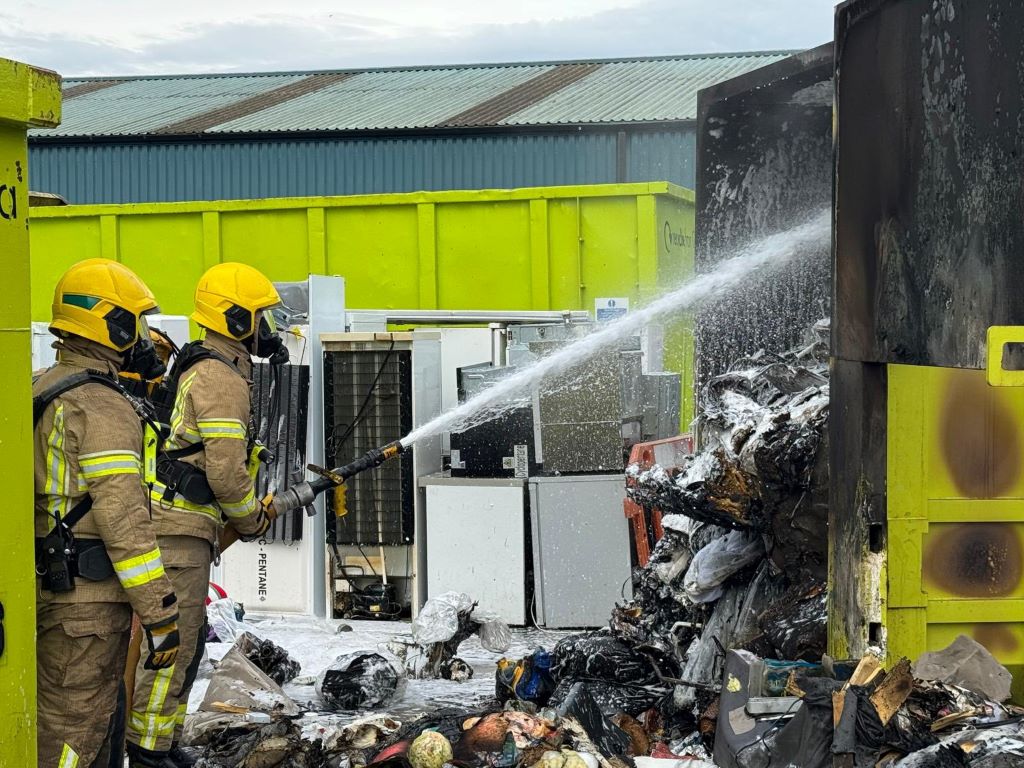
A series of fires at Cumbria household recycling centres are thought to have been caused by thrown away vapes and batteries.
Three separate fires occurred across sites in north and West Cumbria.
Cumberland Council, which operates the sites , said thanks to the prompt actions of site teams, all incidents were managed safely and efficiently, with no injuries reported and minimal damage to infrastructure.
At the Maryport centre, a compactor fire early last month was managed by staff, who evacuated the site and co-ordinated with the fire service.
With support from a local contractor, Maryport Groundworks, the container was safely removed, and the site reopened the following morning.
At Carlisle’s Bousteads site, a fire broke out in the compactor in early August. Staff evacuated the site and contacted emergency services.
The fire was extinguished quickly, and the site reopened safely by early afternoon.
Both fires are suspected to have been caused by disposable vapes or batteries which were thrown away incorrectly.
And at the Frizington site, a fire happened out of hours in the wood container at the start of the August bank holiday.
Cumbria Fire & Rescue attended the scene, and site staff managed the aftermath, relocating the container and implementing fire-watch measures.
Cumberland Council said: “These incidents highlight the risks associated with improper disposal of hazardous items such as batteries and disposable vapes, which are suspected to be the cause of the fires at Bousteads and Maryport.
“Such items can also pose a danger in kerbside collection vehicles.
“Residents are urged to dispose of batteries and vapes responsibly by using designated recycling points. These items should never be placed in general waste bins.”
It added that a fire at the Flusco recycling centre near Penrith in early August, operated by Westmorland & Furness, was believed to be caused by a still-lit disposable barbecue.
Why can’t I throw my vape in the bin in Cumbria?
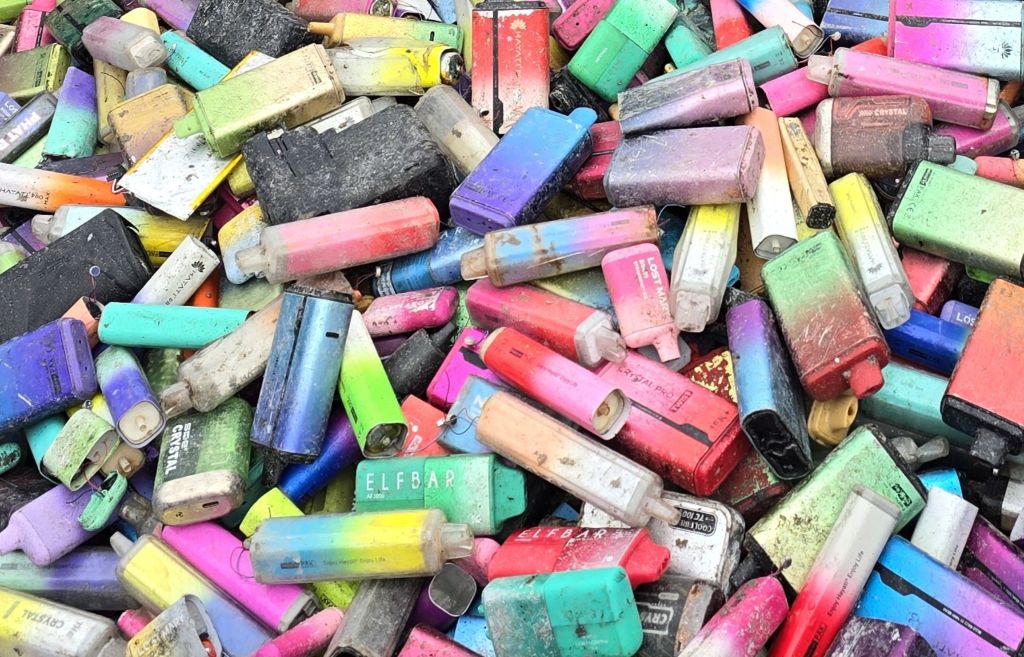
Thousands of vapes and over 3.2 million batteries are thrown in the bin in Cumbria every year.
If damaged during the disposal process, they can spontaneously ignite, burning at extremely high temperatures between 700 degrees and 1,000 degrees and releasing dangerous gases.