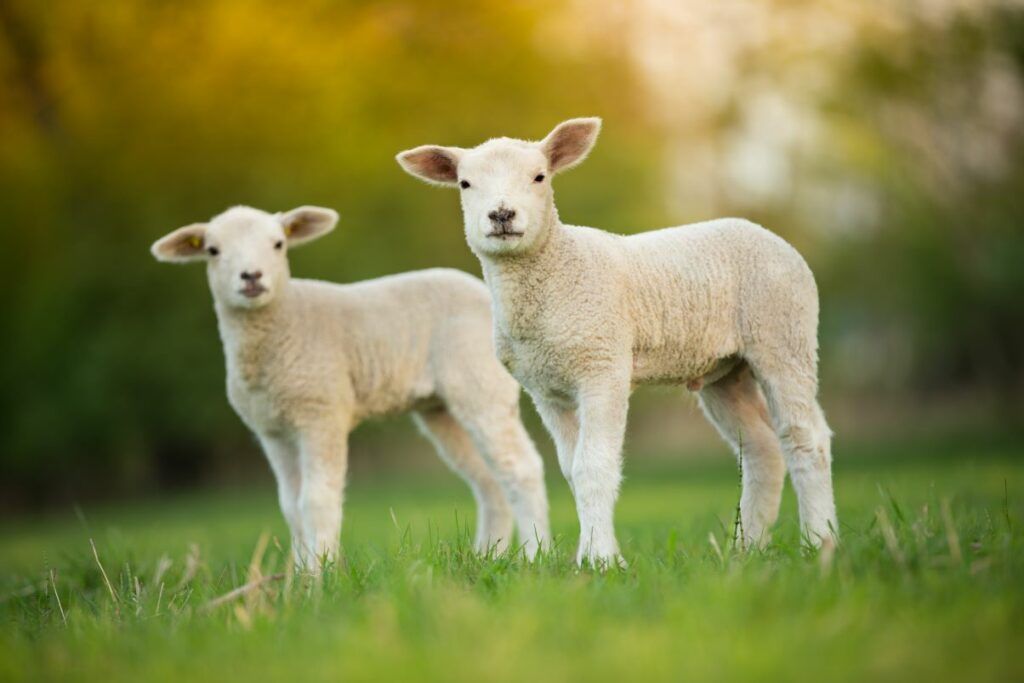
Dog owners are being urged to keep their pets under control in the countryside as lambing season gets underway.
The NFU and Cumbria police are working together to urge pet owners to follow the Countryside Code.
NFU Cumbria chair John Longmire said: “There was a big rise in dog ownership and many people don’t understand what can happen in the countryside when they don’t have control of their dogs. Sadly the situation has been getting worse.
“It does have a financial impact on the business, but the animal welfare issue is the main concern.
“At this time of year many ewes are lambing, and these sheep and offspring are highly vulnerable.
“We have an individual and community responsibility to ensure that we all get to enjoy our countryside without causing distress and harm to livestock.”
Livestock worrying includes barking, chasing, biting and killing and is a criminal offence.
Dog owners could be liable for prosecution or a fine under the Animals Act 1971 and incidents can cause anxiety, miscarriage and terrible injuries among flock.
Livestock worrying also causes indirect injuries as a consequence of animals stumbling and suffering from broken limbs or lacerations as they try to escape through fencing, hedges or wire to get away from the animal that is chasing them; dogs can also cause serious distress to pregnant livestock.
When animals are badly injured it often leads to them having to be put down by a vet.
“The NFU has consistently called for stronger protections and tougher laws to reflect the seriousness of livestock worrying,” Mr Longmire said.
“The recent Dogs (Protection of Livestock) (Amendment) Bill gaining Royal Assent was a huge step forward – the culmination of many years of lobbying by the NFU and it means stronger enforcement powers for the police and increased penalties for irresponsible dog ownership.”
The new amendment allows police to take advantage of the technological and scientific advancements that have been made since it was first passed into law in 1953.
It includes allowing them to take DNA samples or mouth impressions from dogs they suspect of worrying livestock and where there is nobody present to accept responsibility of the dog, as well as ensuring offenders can be ordered by the courts to pay the costs incurred by seizing and detaining a dog.