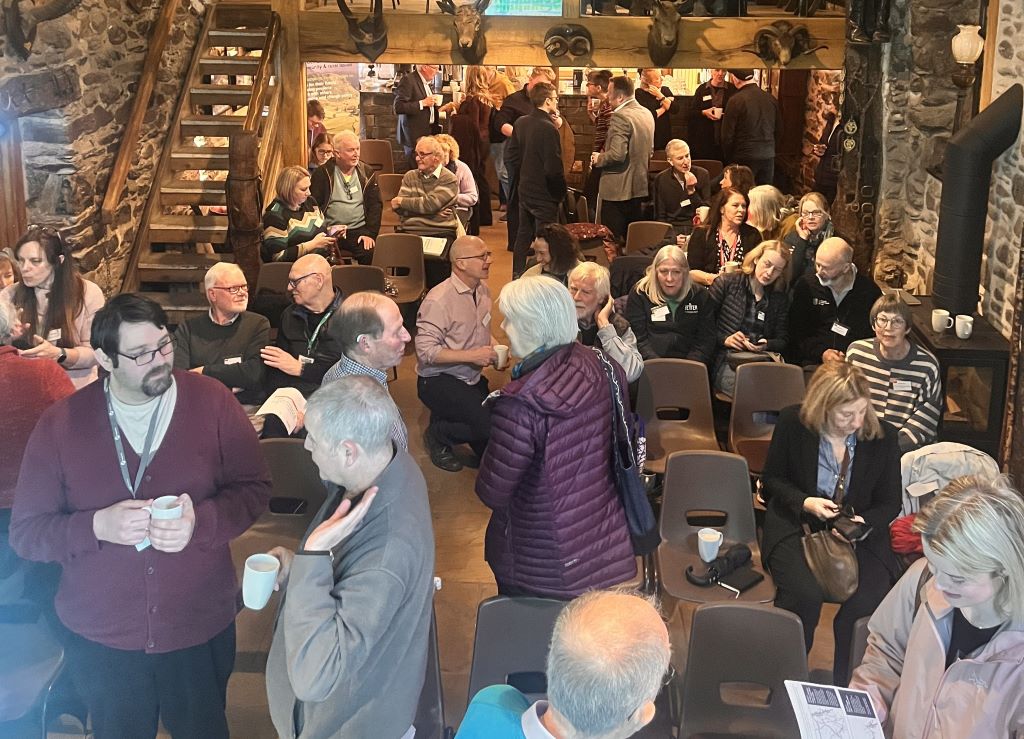
Over 80 representatives from community transport organisations, transport providers, charities and local authorities from across the UK gathered in the Ullswater Valley for the inaugural Cumbria Community Transport Conference.
The conference, held in Tuesday, was organised by the community-led transport charity Sustainable and Integrated Transport for Ullswater and supported by ACTion with Communities in Cumbria and The Royal Countryside Fund in conjunction with The National Lottery Community Fund as part of its Supporting Rural Communities in Cumbria and Northumberland programme.
Held at The Quiet Site, the conference brought together like-minded organisations to share experiences, successes, best practices and challenges in delivering effective community-centered transport solutions for rural communities.
It is hoped that a key outcome from the event will be a working group to help develop transport policy for Cumbria’s Combined Authority and the region’s new mayor, due to be elected in 2027.
Michael Firth, chair of SITU, said: “Today’s event has shown what is possible and what is needed, not a one-size fits all policy, but a thoughtful bottom-up approach to local and regional policy based on the different needs of different communities.
“A feature of the conference was the level of willingness and desire, shown by everyone from different organisations with different interests, to step forward and work together to deliver transport solutions that meet the needs of residents, businesses and visitors.”
The conference explored the particular challenges facing different parts of the country.
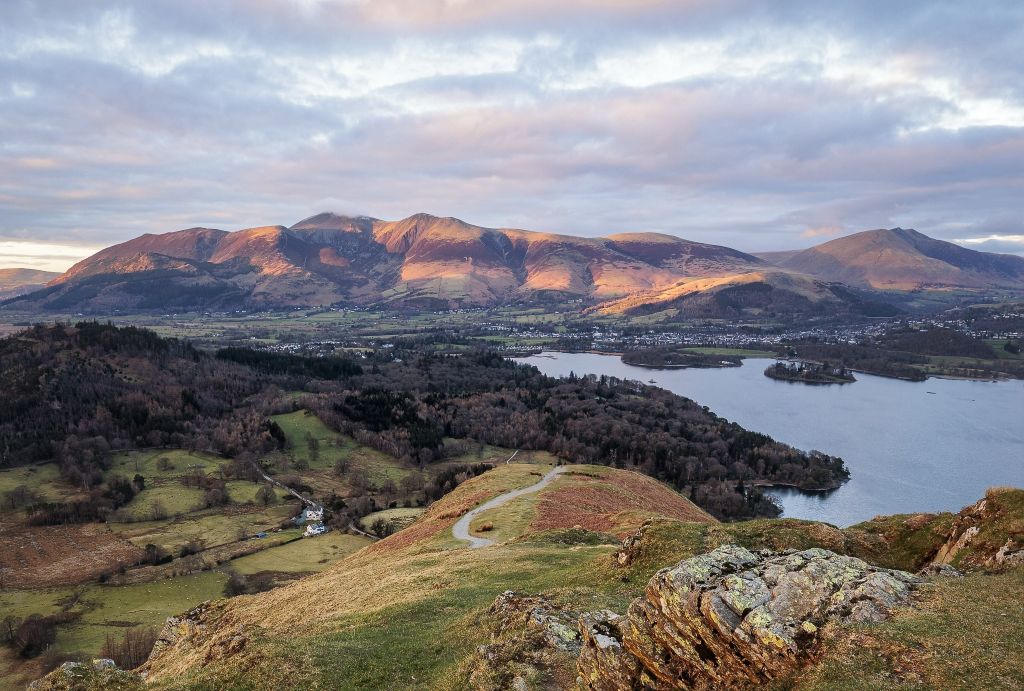
The Ullswater Valley has a resident population of around 3,000 which supports a visitor economy that attracts around a million visitors each year. While tourism is vital to the local economy, the high volume of car travel contributes to congestion, pollution and carbon emissions.
At the other end of the country, community volunteered Cuckmere Buses in East Sussex has provided a service to replace cancelled commercial bus routes for the past 50 years.
Delegates agreed that the focus must shift from simply accommodating cars to encouraging visitors to choose alternative ways of travelling.
Alistair Kirkbride, of LowCarbon Destinations CIC, said: “It’s important to understand how places work, how people want to move around and what different modes of transport appeal to different people.
“Once you’ve identified a transport issue, the first step should be to think about what you want the future to look like and begin with that end in mind – try to make things really good rather than a little less bad.
Since the pandemic, new types of organisations and partnerships are innovating at community scale in response to significant changes in public attitudes to travel in these areas. The challenge now is to bring those ideas together and harness them to create an integrated transport future that works for everyone.”
Roger Clarke, trustee and travel and transport group convenor for Hope Valley Climate Action, shared insights from its pioneering project exploring how the world-leading rural transport system in Switzerland could be replicated in the Peak District.
He said: “Cumbria has a unique opportunity with the upcoming establishment of a new mayoral authority.
“A new mayor can reset the agenda for public transport. Communities like this one need to help shape that agenda and be clear about what they want to see.
“Public transport needs to be more ambitious, and mayoral authorities are well placed to deliver that. We’ve already seen in our area that public opinion can influence policy change.”
Councillor John Murray, Westmorland and Furness Council cabinet member for transport and regulatory services, said: “We need to be exploring what is possible.
“We are here and we are listening. Communities are already demonstrating what can be achieved, and we are keen to work together to deliver more of what the future could look like.”
Caroline Whitney, England director and head of membership services at the Community Transport Association, which supports more than 1,400 organisations delivering non-commercial transport services across the country, said: “Travelling here today really highlighted the rural nature of Cumbria.
“A key outcome from this conference will be creating a shared vision where community transport groups, local authorities and commercial operators work together. Integration is paramount. The goal is to see these remarkable teams collaborating to shape how community transport will look in the future.”
The conference concluded with a shared commitment to develop a collective transport vision for Cumbria to connect community innovation, public policy and sustainable travel choices to support residents, businesses and visitors.