
A Lake District observatory has shared its best pictures of space captured from the site so far.
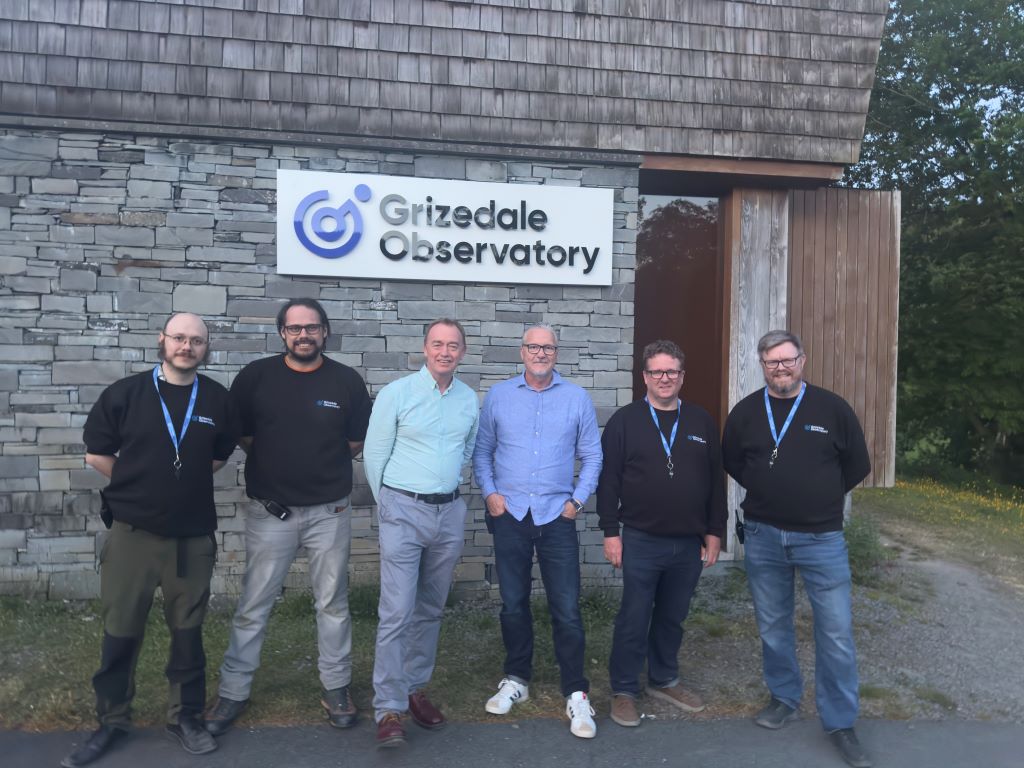
Grizedale Observatory opened in May last year and has since been busy reeling in stargazers of all ages to explore the universe from the heart of the Lake District.
The observatory’s main research grade robotic telescope is able to spot galaxies hundreds of millions of light years away and staff and local astrophotographers have also been keenly photographing distant galaxies, skyscapes and planets.
It was also recently named the number one thing to do in Ambleside on Trip Advisor and plans are in the pipeline to build more specialised observatories on site.
But Gary Fildes, executive director of the observatory, said it all started with an idea to better connect people with the universe from a forest in the Lake District.
The Durham-born director had already founded Kielder and Grassholme observatory and has worked overseas in places like the Middle East with top scientists and astronomers.
While he has had a lifelong love of astronomy, he initially started out life as a bricklayer, before he later became an astronomer and strategic consultant for founding and building world class observatories in his thirties.
He has since featured on TV, written a book and starred in an an award-winning documentary about dark skies.
Gary said that building Grizedale Observatory was another chance to bridge the gap between people and the night sky.
He said: “I worked with Forestry England on the Kielder Observatory and had a lot of close contacts there and they mentioned the idea of an observatory in the Lake District.
“I’m a County Durham lad and my dad used to take me to the Lake District as a kid and Cumbria is a national treasure really.
“But there was never a public observatory for people to stargaze from, so I always thought it was an opportunity missed.
“Then I got a job in professional astronomy which took me overseas for three years and it was during this period I realised I just wanted to be back home again stargazing and working with members of the public and maybe start another business venture.
“It was at this point serendipitously Forestry England got in touch with me and said we’ve got The Yan in Grizedale and we think it could be a great location to do astronomy from.
“So I went and had a look and that was it. Tenders were put in and we won it and started work in March last year.
“We were finished in May and we’ve haven’t looked back, it’s been phenomenally received.”
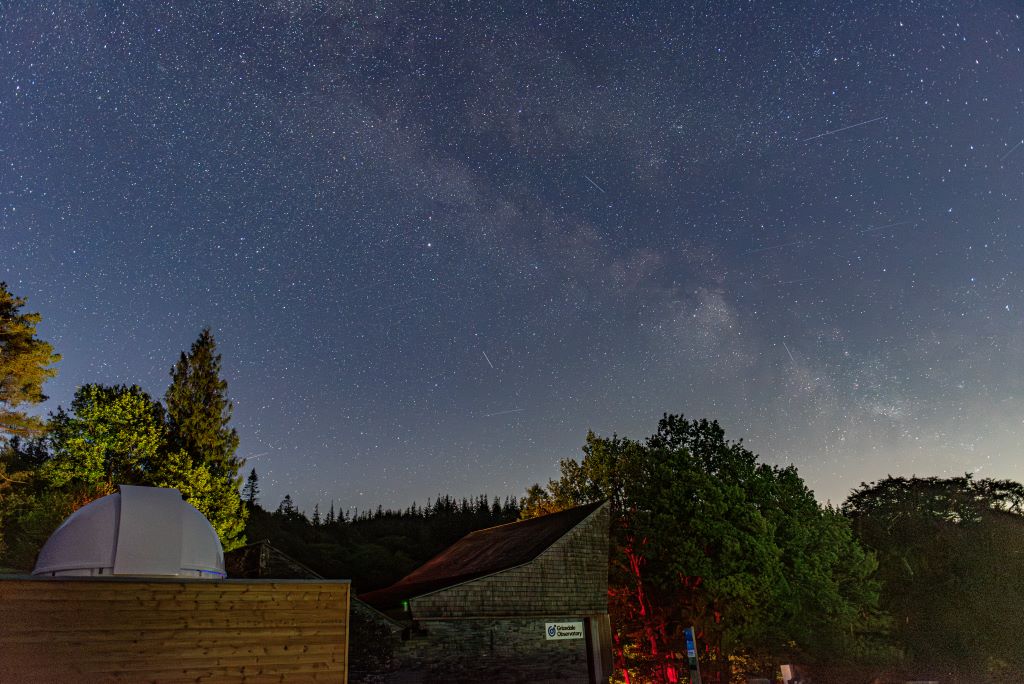
The Grizedale Observatory and Planetarium is made up of a purpose-built observatory with state-of-the-art equipment and immersive planetarium as well as a meteorite museum.
It has a team of highly academically trained staff and operates as a community interest company.
Gary added: “I invested a large amount of money into this and I thought you know what, I’m going to save every penny I’ve made in my day job and stick it into this observatory because I know I can make it work.
“Before I opened Kielder, these little observatories didn’t exist, so I feel like I have the recipe and know how to do it now.
“But we’re planning to start working more heavily with education providers and contribute to that ecosystem in Cumbria.
“We’d like to use the observatory as a resource for young kids, adult learners and maybe even undergraduates beacuase we do have a planetarium and quite sophisticated telescopes.
“We do also have a full academic staff team working with us at Grizedale which is quite rare for public observatories.
“It’s an exciting time and we just want Grizedale to be part of the ecosystem of the Lake District for visitors, stagazers to enjoy and contribute to education and do our bit.”
Gary said that he believes that public observatories can give people new perspectives on life.
He added: “If you were in the observatory last night, you would know the answer to what makes observatories so important.
“It was pouring down with rain and we explored the universe together as a group. We thought about the universe and its origins, how many stars, galaxies and planets reside in our observable universe and what it means to us as people.
“I think from a spiritual perspective, even if you’re not academically oriented, the night time sky and awareness of the sheer scale of the universe can make you feel like you are part of something wonderful, awe-inspiring and amazing.
“Even when the world is seemingly falling apart at the seams, the universe is doing its thing in the background.
“This classical idea that we’re alone in the universe and it was made just for us is clearly not accurate at all. There are probably millions of civilisations out there and we’re just one of them and I think that’s quite an important message.
“From that almost spiritual stand point, we mean something and the universe we’re part of matters, and if we just connect with it more, it can make you feel more connected with that.”
Gary added that he also wants Grizedale Observatory to help contribute to the wider economy and education in Cumbria.
He said: “From an educational stand point we want to provide a place where schoolchildren and adult learners can access the facility and be inspired to innovate and think about what they can contribute.
“I think that level of inspiration does fuel innovation and that innovation does fuel technology and that runs the world we live in.
“So observatories like Grizedale are super important and when they are used correctly, they seep into the infrastructure of business industry and education.
“Then you end up mobilising the younger generation to see that science and STEM is absolutely accessible to them and they can contribute and the sky is the limit, so I think these observatories are vitally important.
“I think we just bring in that little extra to the Lake District, especially when tourists leave in shoulder seasons.
“We’ve had a really steady flow of people through the seasons so we think it will help other businesses locally. In the summer we get tourists and in winter we get the locals.
“The response has been phenomenal, it has bowled us over really. I think it’s because everybody realises what it can contribute to Cumbria.”
Day to day life at the observatory sees staff offer dark sky stargazing events, drop-in family activities including meteorite handling with the observatory’s resident geologist, and specialist talks connecting audiences of all ages to astronomy.
Gary added: “We have a range of equipment we use, so we’ve got portable equipment in and around the observatory and the idea behind that is you can play with a telescope yourself.
“Then we have the telescope inside the observatory itself which is a research grade telescope that is completely robotic and we have screens that can show live pictures the telescope can take.
“We’ve spend thousands of pounds on the kit we have at the observatory and a constant thing we have to try and do is stay on top of all the kit and keep it current.
“I do also want to build two more observatories on site, one for the planets which I’m hoping to do this year and one next year which will have a large aperture telescope so we can see really distant things.
“I’m hoping we can get some funding to do that. But we’re planning to build a lot of infrastructure at Grizedale to equip it better for education and schools.”
Gary said: “We’re doing astrophotography on a regular basis here, we also have Ben Bush who is a Cumbrian photographer and astrophotographer and he’s amazing with a camera.
“But we’re all astrophotographers, everybody is, from a smart phone all the way through to photographing cosmologically distance galaxies with the kit we have.
“It’s vitally important because it’s a way for members of public to engage with the night time sky.”
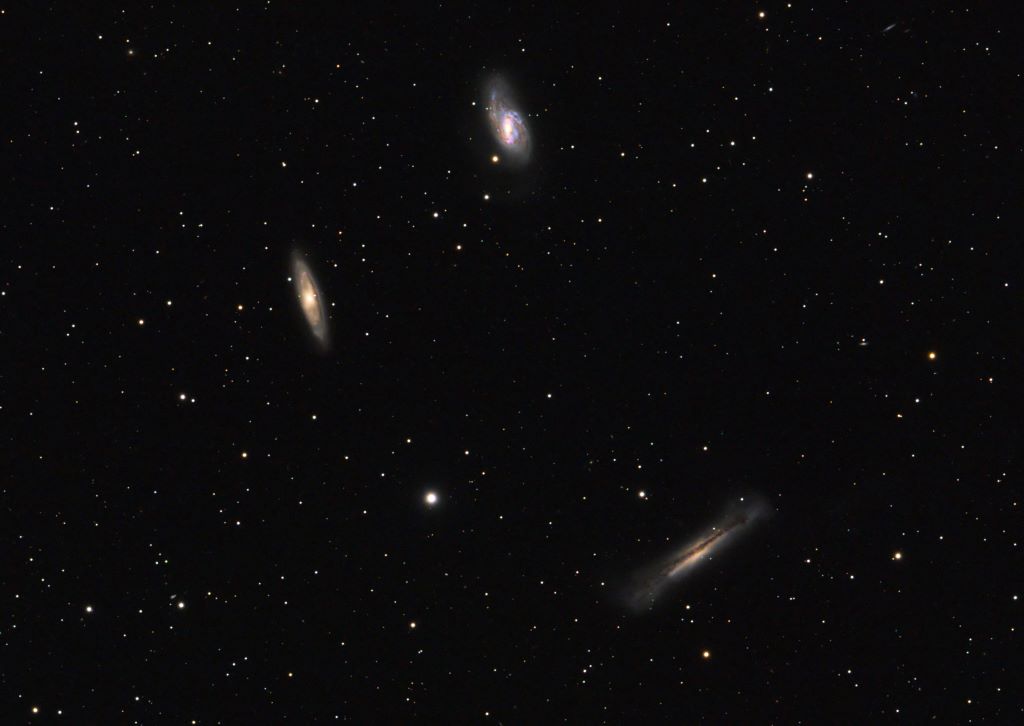
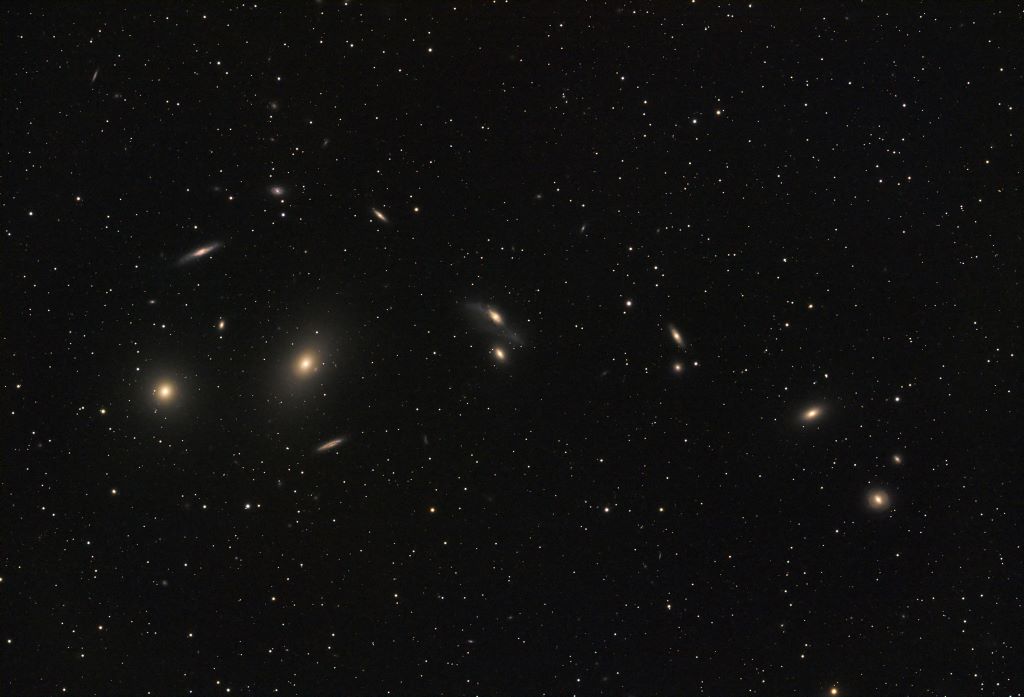
Gary said the observatory’s main telescope is capable of photographing distant galaxies and stellar objects.
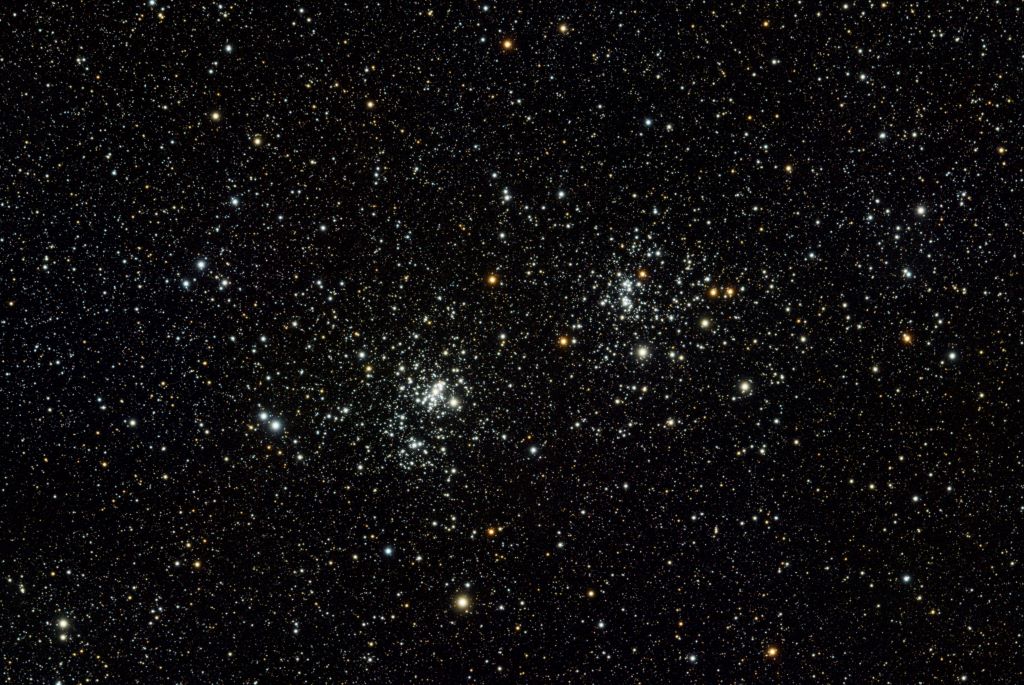
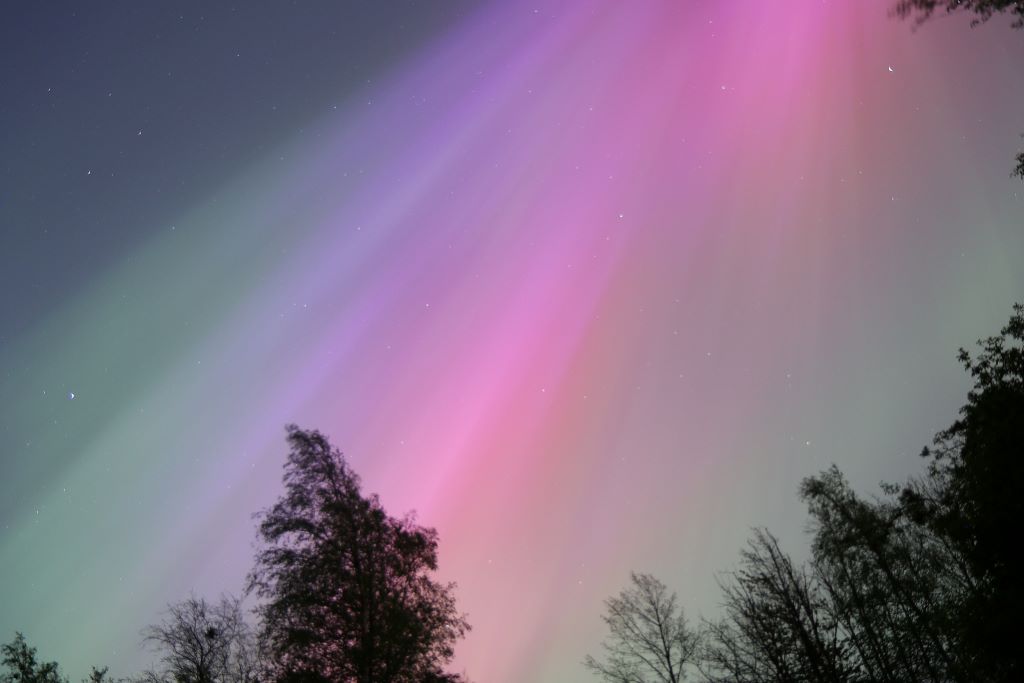
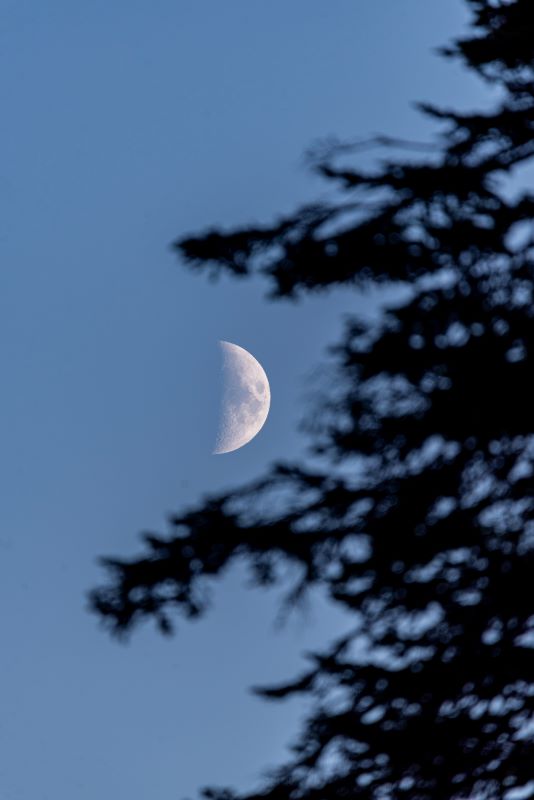
He said: “We have lots of skyscape images of the observatory and milky way and then we’ve got beautiful high resolution images of distant galaxies and great images of planets and the moons moving around Jupiter and Jupiter spinning and rotating.
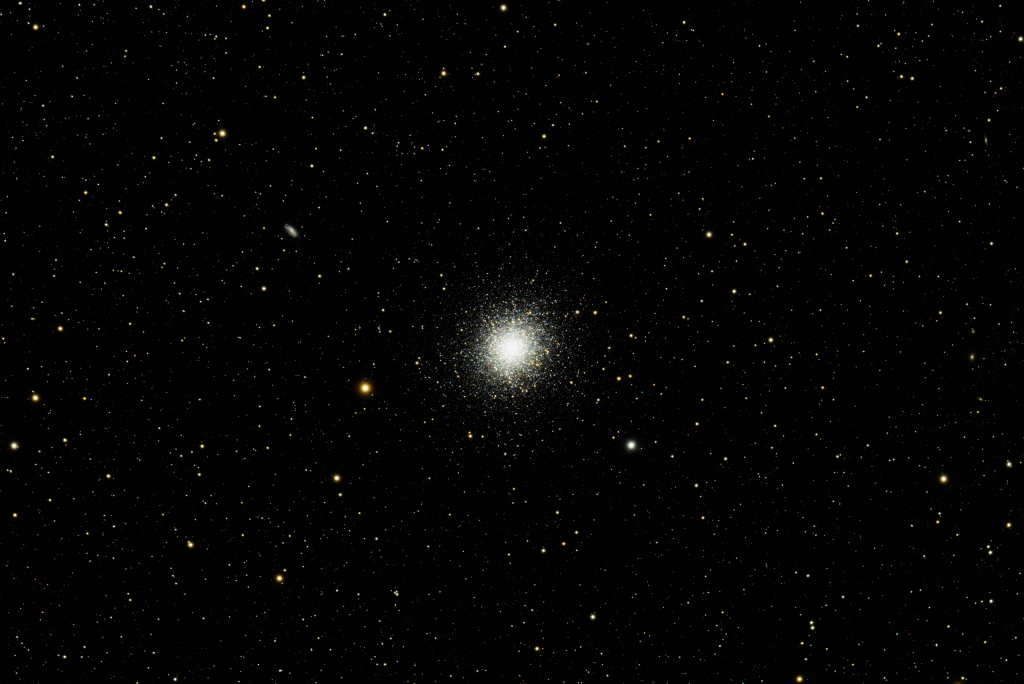
“It’s not so much about how far we can see but how feint we can see. So we can get down to 50th magnitue with our camera on the main telescope, so that allows you to see galaxies that are hundreds of millions of lightyears away.
“That light has been travelling for hundreds of millions of years, so we can see very feint objects that tend to be very distant, so easily way beyond our milky way, way beyond the closest group of galaxies we have around our milky way and other extreme distances.
“If we wanted to push it we could possibly image some very distant quasars.
“These are quasar stellar objects (luminous energetic cores of distant galaxies that are powered by black holes) that are these active galactic nuclei that have massive black holes and they tend to be very bright.
“They’re billions of lightyears away, but we can get a couple of them as well.”
Gary said stargazing at the observatory and seeing images of deep space is often a moving experience for visitors.
He added: “We’ll have guests who’ve been out stargazing for an hour or two and we’ll take them into the observatory and photograph a very distant object and show them and tell them that little blob has been travelling for three or four billion years to reach that telescope.
“It’s things like that that people really get wild about it and they find mind blowing.
“When you see the looks on people’s faces, that’s absolutely everything. You can see how something shifts in them.
“We have our stargazers lounge where we do our presentations from and when you tell them something that you know will be moving such as the overwhelming majority of stars you see in our night time sky have planets or that distant galaxies they all have planets.
“You can see people’s eyes look right at you because they’re connecting with that information. I just love that, because that’s when you realise you’ve touched people in a way only astronomy can do.”
Gary added that the observatory is not just a place for people interested in maths and science, but also for people interested in the place of humanity in the wider universe.
He said: “I remember I had a conversation with a theoretical physicist and he said Gary, I want you to try and think of a time before you were born and what you knew of the universe before you were born.
“I said well I knew nothing of the universe before I was born, because I wasn’t born, and he said precisely.
“Then he said I want you to try and think what will the universe be like when you have passed and you’re not part of it anymore.
“I said I don’t really want to think about that! But I won’t have any awareness of it at all. He said precisely, so what does that tell you?
“He said it tells you that the universe is born and dies with you, you are the universe from a spiritual perspective.”