A mysterious Cumbrian building with Medieval origins has now gained national recognition.
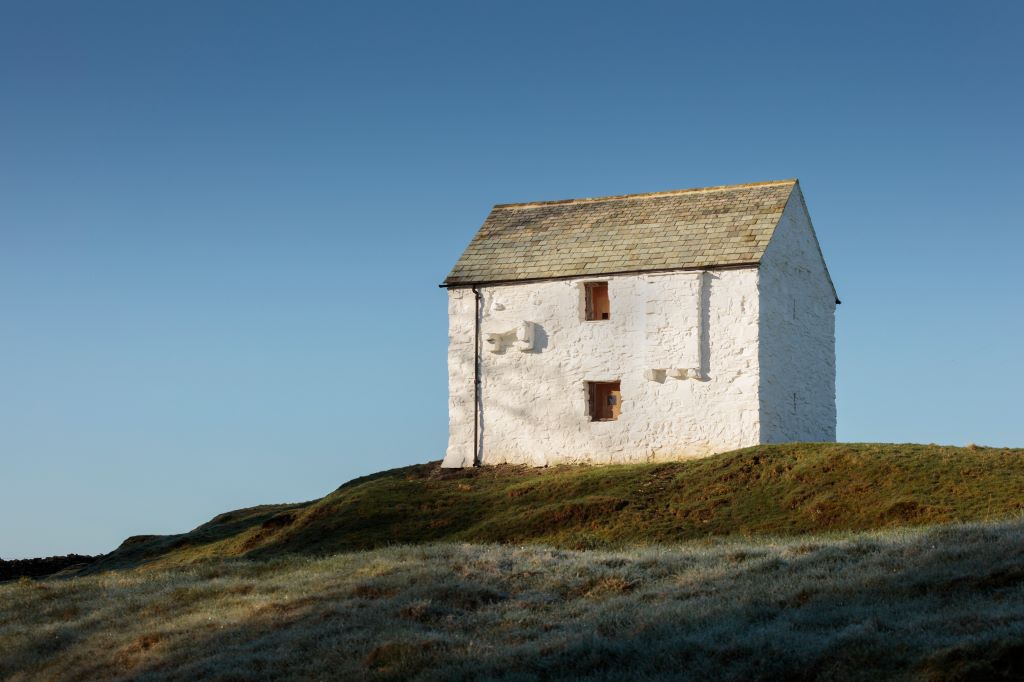
Henry’s Castle, at Underbarrow, near Kendal, has been awarded Grade II* listed status by the Department for Culture, Media and Sport.
Thought to date from as early as the 14th or 15th century, it is a small structure of limestone rubble built on a rocky knoll near Tullithwaite Hall.
While it shares some characteristics with bastles – fortified farmhouses common to the Anglo-Scottish border built by farming families who needed to protect themselves and livestock from raiders – it is too small and has walls too thin for this purpose.
Its location is also too far south of the Anglo-Scottish border region to be classified as a bastle.
One suggestion is that it served as a look-out dwelling, possibly with a defensive purpose, but no definitive answer has yet emerged.
However, Historic England said there was no doubt that it was a high status building for its time and place.
It said: “The provision of a heated first floor and a projecting garderobe latrine – a small closet built into the wall with a seat over a vertical shaft – are highly unusual features that point to an occupant of high standing.
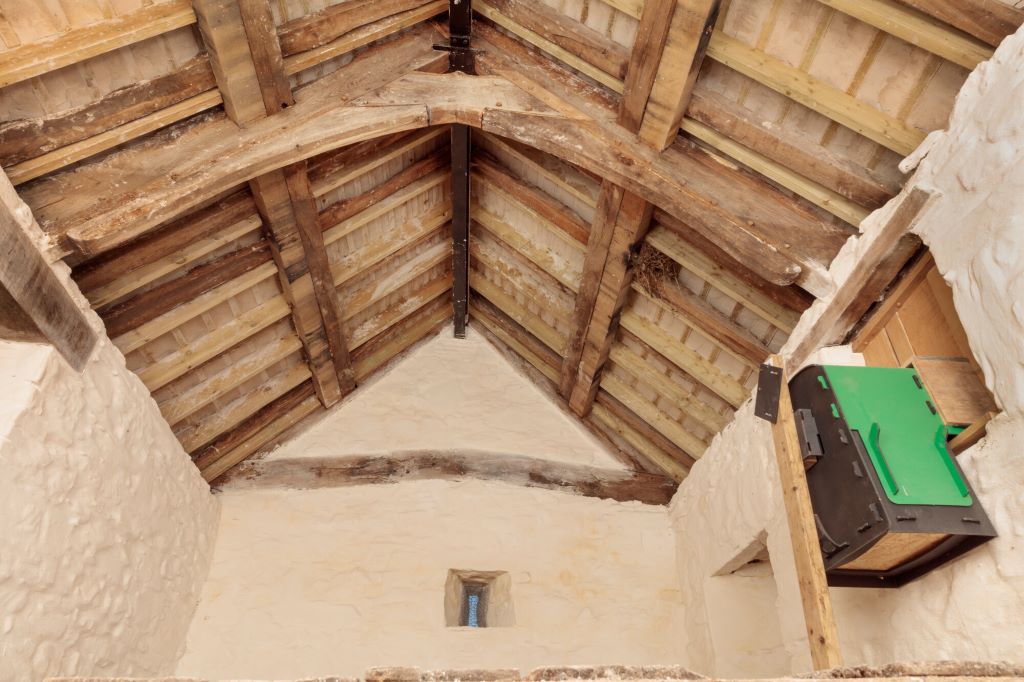
“Most remarkable of all is the oak roof structure: a precisely hand-finished, chamfered and pegged central truss of a type associated with high-quality carpentry of the 14th or 15th centuries.”
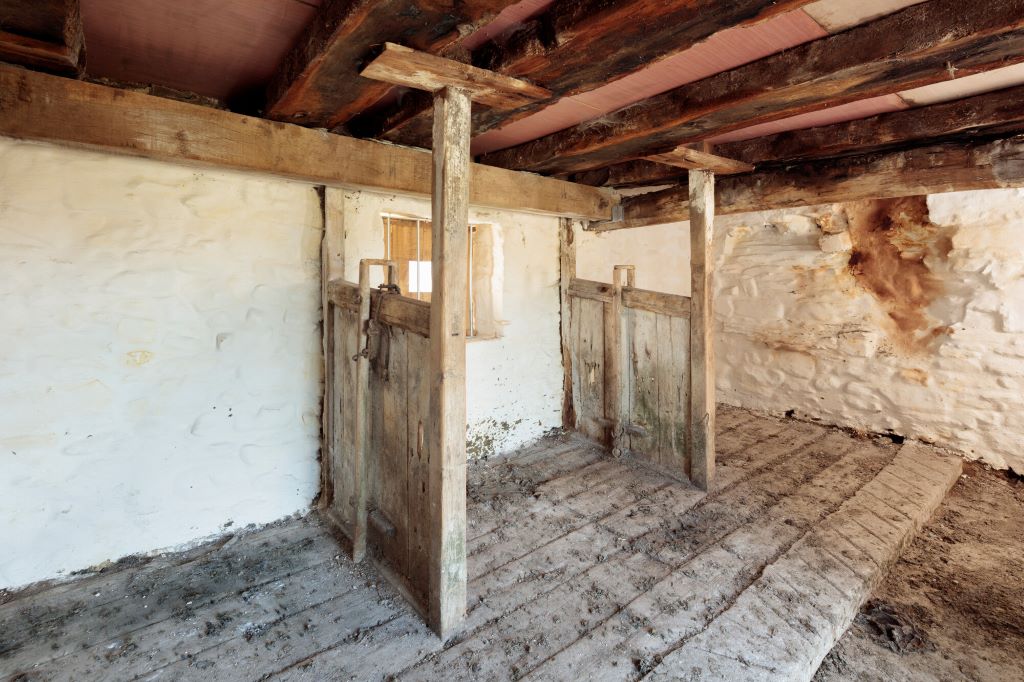
Modifications in the 16th or 17th century converted the ground floor to domestic use, including timber mullioned windows and a fireplace.
By the 19th century it had become a field barn, with timber stalls installed at ground floor level and a hayloft above.
It is known as Henry’s Castle after Henry Willison, a farmer who owned it.
The earliest documentary reference, a Corn Rent Map of 1836, records it within Stonehouse Field – a name historically used in parts of Cumbria for a special type of stone structure.
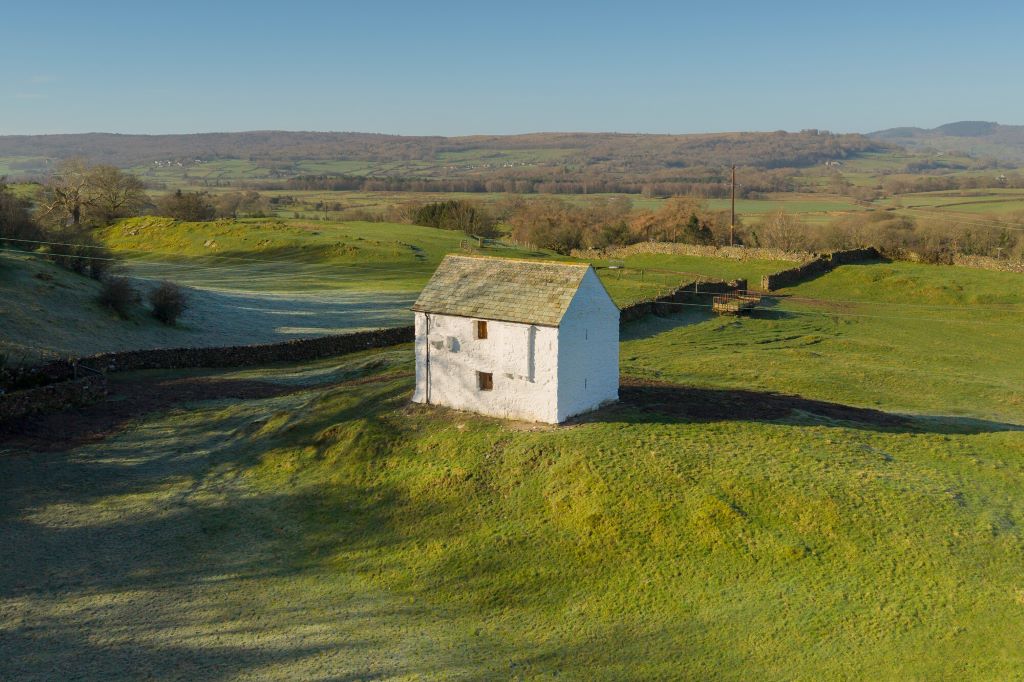
The building fell into disrepair in the 20th century but was restored in 2025, thanks to funding provided via the Department for Environment, Food & Rural Affairs’ Farming in Protected Landscapes programme, delivered by Lake District National Park Authority.
Work included the repair of the roof structure, masonry stabilisation, and the application of limewash to the external and internal walls.
Sarah Charlesworth, Historic England’s listing team leader, said: “Henry’s Castle is one of those rare buildings that raises more questions than it answers – and this mystery is part of what makes it so compelling.
“We do not know why it was built or for whom, but the quality of its craftsmanship and the survival of its original features leave us in no doubt that this was a building of real significance.
“Its listing at Grade II* ensures that this enigmatic structure will be protected and studied for generations to come and the Lake District National Park Authority deserve praise for their sensitive restoration efforts.”