A dedicated treatment space for people with pleural lung conditions has opened at Barrow’s Furness General Hospital.
The Pleural Assessment Room has been designed specifically for the assessment, diagnosis and treatment of conditions affecting the pleura, the thin lining around the lungs.
It allows clinicians to safely perform procedures such as draining fluid from around the lungs in a controlled, specialist environment.
Previously, people have had to travel to the Royal Lancaster Infirmary for treatment.
The University Hospitals of Morecambe Bay NHS Foundation Trust said the infirmary had treated around 1,500 patients from across Morecambe Bay and that was expected to increase with the introduction of the new room.
Dr Helen Skinner, chief medical officer, said: “Before the introduction of the PAR at FGH, patients often had to attend the emergency department or be admitted to hospital wards or travel to other hospital sites for specialist procedures. This could result in delays; longer hospital stays and less convenient care.
“This improves both safety and patient comfort while reducing the need for hospital admission.”
Patients accessing the service typically have conditions such as fluid around the lungs, malignant pleural disease, like cancer-related fluid build-up), infection-related empyema and collapsed lung.
Other treatments the service will offer include:
- The insertion and management of indwelling pleural catheters
- Chest drain insertion
- Diagnostic ultrasound-guided procedures
- Monitoring and follow-up care for pleural conditions
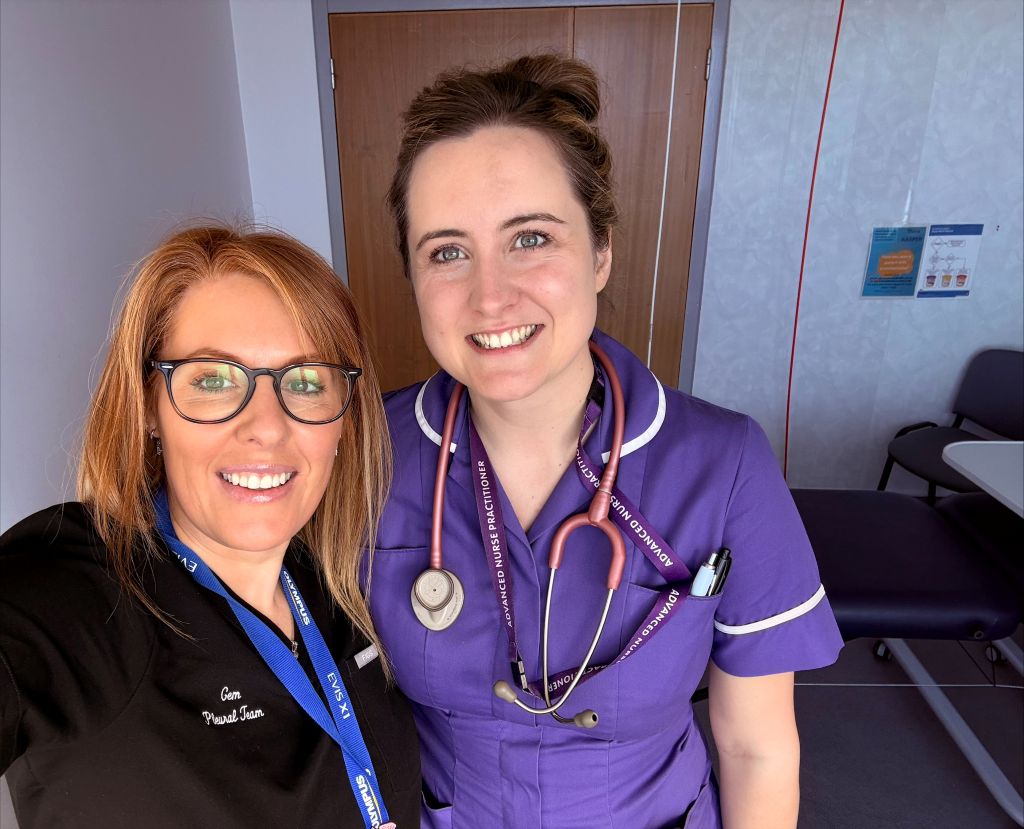
The service will be delivered by Jane Suligowski, respiratory advanced nurse practitioner and Gemma Barton, pleural consultant nurse, with support from other respiratory colleagues.
There will be up to two pleural clinics per week initially and additional ad hoc urgent slots for acute cases.
Gemma said: “It is a significant step forward for our patients. This service will make a real difference to people living with pleural conditions, many of whom experience distressing symptoms like breathlessness.
“Being able to access specialist care quickly, in a dedicated environment, will greatly improve both outcomes and quality of life.”