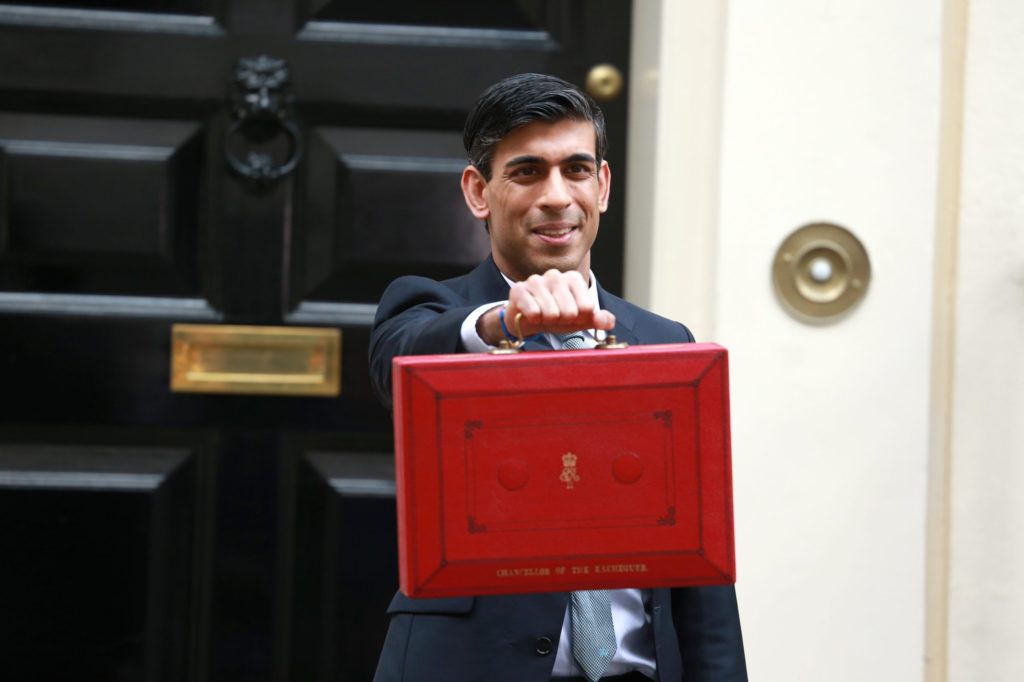
Cumbria Tourism has welcomed the Chancellor’s Autumn Budget but said it needed more detail.
Among the measures announced today was a 50 per cent business rates discount for businesses in the retail, hospitality and leisure sectors, up to a maximum of £110,000.
Tax relief on museums and galleries will be extended until March 2024, and there will be significant changes to alcohol duty including a new ‘draught relief’ cutting duty on beer and cider sold in pubs.
However, measures to create a more competitive visa system for overseas workers has been limited to highly-skilled, hi-tech companies.
Calls to permanently lower the 12.5 per cent VAT rate for tourism businesses – led by Cumbria Tourism – have also been overlooked.
Chairman of Cumbria Tourism, Jim Walker, said: “Today’s budget is a bit of a mixed bag from the perspective of tourism businesses, but overall, there is some welcome news which will help safeguard jobs and businesses in Cumbria in the short to medium term.
“Reforms to business rates – including a new 12-month relief for companies to invest in their premises – are very positive, as is the new one year 50% discount on business rates for hospitality and retail. However, we do need to be mindful that some of our smallest operators unfortunately won’t benefit as they don’t pay business rates.
“It’s also fantastic to see investment in heritage and culture; these organisations have been impacted massively by the pandemic, but many still aren’t operating at full capacity and do need that extra support. The new tax relief on museums and galleries is a really welcome move and we’re looking forward to seeing more detail on this.
“The changes to alcohol duty should be helpful to Cumbrian pubs, breweries and producers. We’re also pleased about further investment in rail travel, although again, we need to see the detail to ensure that some of this will filter through to bolster services in our county.
“Overall, it is good to see tangible signs of an economic recovery reflected in the Chancellor’s budget speech. The flipside of this is higher inflation which could potentially impact on visitors’ discretionary spend for leisure activities. This is definitely something for us to watch closely.
“Looking ahead, we would have liked more of a focus on tackling longer-term issues around recruitment and retention, for which we have been lobbying strongly. The Government has introduced much greater flexibility around visas in other industries, so we continue to call for this to be extended to tourism and hospitality workers from overseas.
“It’s also disappointing that our calls to maintain the 12.5 per cent VAT rate for tourism businesses have been unsuccessful. This would have helped create more longer-term stability for our industry and we will be asking the Government to look again at this issue.”
National Insurance contributions are already set to increase from April next year and Corporation Tax increases will take effect from 2023.
Given the pressure these additional costs will bear on businesses, Armstrong Watson’s chief executive Paul Dickson said there will be general relief that further tax increases were not announced.
Mr Dickson said: “For families and local businesses, overall this budget is a positive and more generous one than was expected.
“The extension to a number of reliefs, such as the continued extension of the Annual Investment Allowance, and extension of business rates cut for the hospitality and retail sector are welcome.
“The freeze in fuel duty is a welcome support for businesses at a time where we are seeing increasing costs coming from all sides.
“Also welcome is the reduction of the taper on Universal Credit, as hopefully, this will provide a greater incentive for individuals to work more hours in a time where many businesses are struggling for resources, again particularly in the hospitality and retail sectors.
“Mr Sunak’s speech was perhaps notable for what was seemingly a major omission in that it made no reference to the impact of climate change on the Government’s tax and spending plans.
“There was, for example, no mention of where the estimated £10bn that will need to be provided over the next three years to insulate homes if the Government is to meet its own climate change targets.”
The Chancellor acknowledged that the tax burden is now at a historically high level and he will undoubtedly hope that he can reverse some of the increases or announce other tax cuts before the next election.
But with the cost of living now rising, the fundamental question seems to be whether those increases will be funded by increased economic output and efficiency, as the Prime Minister has recently said they will, or whether they will act as a drag on overall economic growth.
Whichever turns out to be the correct answer may well have a major bearing on the Government’s popularity over the second half of its current term and ultimately its prospects for success at the next General Election.
The NHS will receive a £5.9bn cash boost and Neil Hudson, Conservative MP for Penrith and the Border, said: “It was great to see the government turn words into action by delivering on our promise to fund the NHS and build a higher wage economy.
“Our brilliant NHS staff worked extremely hard to keep people safe during the pandemic and these funding measures will help keep the service fit for use.
“The National Living Wage is vitally important to low paid workers all over the country. We want hard work to pay off.
“This Budget helps working families with the cost of living. Businesses will also benefit from new measures, including a 50 per cent cut in business rates next year for 90 per cent of retail, hospitality and leisure – alongside a freeze of all rates – the creation of new business rates relief to encourage green technologies and improvements to properties, and a doubling of creative industries tax reliefs for the UK’s world-leading theatres, orchestras, museums and galleries.
“Overall this is budget will hopefully mark a turning point when we can steer the economy back to sunnier waters and start to build for the future.”