A leading pressure group for the protection of open spaces, has welcomed a decision to preserve part of a Grasmere common as common land.
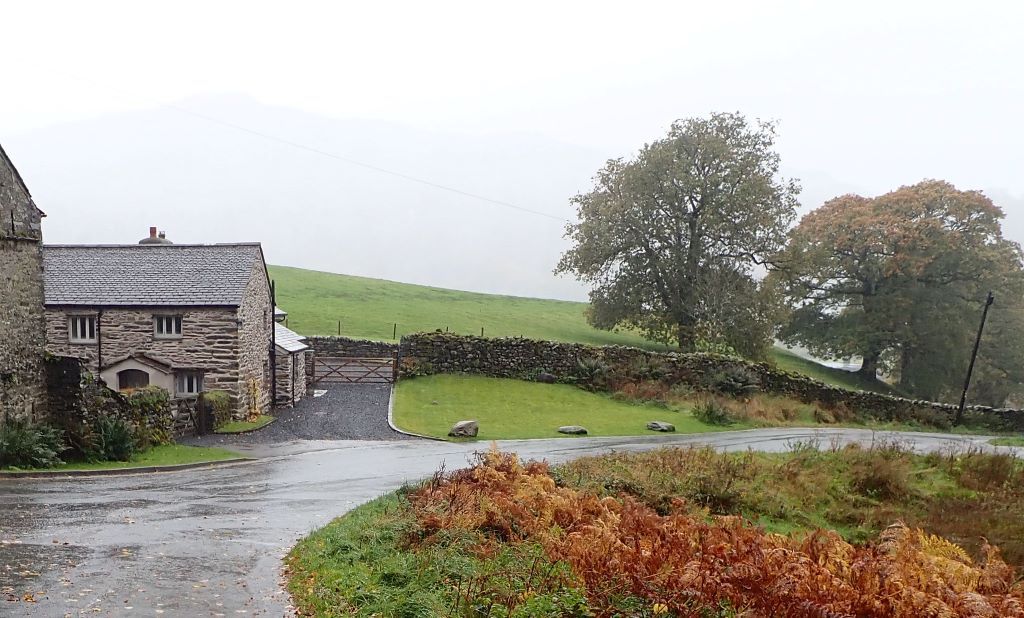
The owner of How Top, a former farmhouse near Town End, Grasmere, in the Lake District National Park, applied to Cumbria County Council in October 2020 to de-register around 80 square metres of roadside land north of How Top.
The applicant rightly claimed that this land was not included in the application of the National Trust to register Grasmere common – including White Moss common – in April 1968, and so asserted that it was registered by mistake and should now be removed from the register.
The Open Spaces Society objected to the application, noting that the land was intrinsically part of, and inseparable, from White Moss common and had been used by grazing animals on the common since time immemorial.
The council noted that, prior to the National Trust’s application, the society itself had applied to register White Moss common, including the disputed land, but had withdrawn its application on the assurance that the Trust’s application would achieve the same result.
The council concluded that the land was correctly registered and the registration should stand.
Hugh Craddock, a case officer for the society, said: “We are delighted that this land will remain part of the common and open to grazing livestock. The society sought to register this land in December 1967, and it would have been unconscionable to de-register it now only because the society allowed the National Trust to step into its shoes with a slightly different application plan.
“The land is plainly part of the common, which is bounded by the wall along the enclosures to the west, and the northern wall of the old farm house. We have separately applied to add to the register two small slivers of land immediately adjacent to the wall which we believe ought to have been included in the original registration, and we look forward to the council granting our application in due course.”
The Open Spaces Society was founded in 1865 and is Britain’s oldest national conservation body. It campaigns to protect common land, village greens, open spaces and public paths, and people’s right to enjoy them.