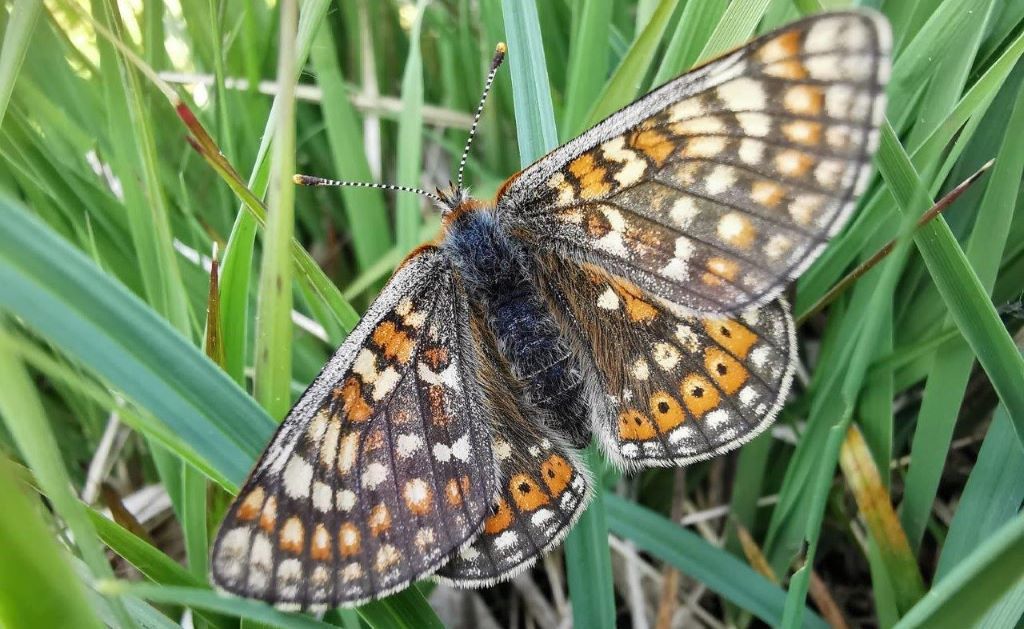
A new colony of one of Europe’s rarest butterflies has been discovered in the Lake District.
Several marsh fritillary butterflies – which previously faced extinction in the county – have been spotted at Haweswater this month.
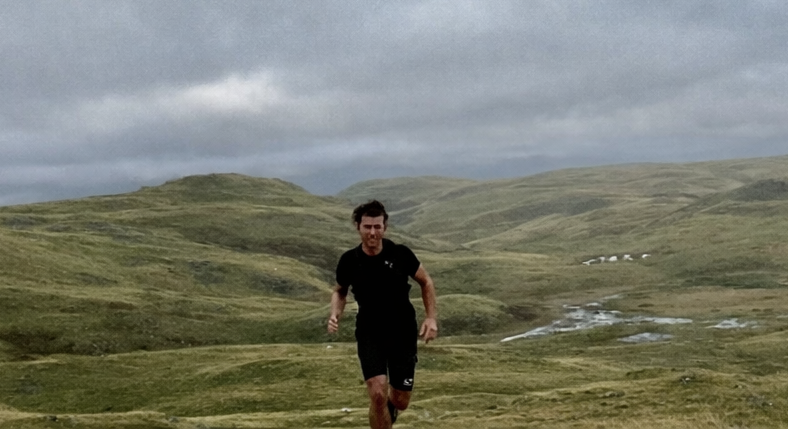
The initial discovery was made by RSPB warden Spike Webb and revealed four of the butterflies in wildflower hay meadows in Swindale Valley. A further visit by RSPB site manager Lee Schofield then uncovered another six.
Once widespread throughout the UK, numbers of the marsh fritillary declined severely over the twentieth century due to changes to farming and the drainage of damp grasslands. This confined the butterfly to the western side of Britain and Ireland.
In the year 2000, the number of colonies in Cumbria dropped from over 200 to three and by 2004 they faced dying out completely.
But in 2007, over 42,000 marsh fritillary larvae were released as part of the Cumbria marsh fritillary project, a re-introduction programme led by Butterfly Conservation, Natural England and DEFRA.
It formed part of a scheme aiming to bring the rare butterflies back to the area and spread out naturally.
The project has now proved successful and marsh fritillaries can now be spotted across several sites in Cumbria – including the new found population at Haweswater.
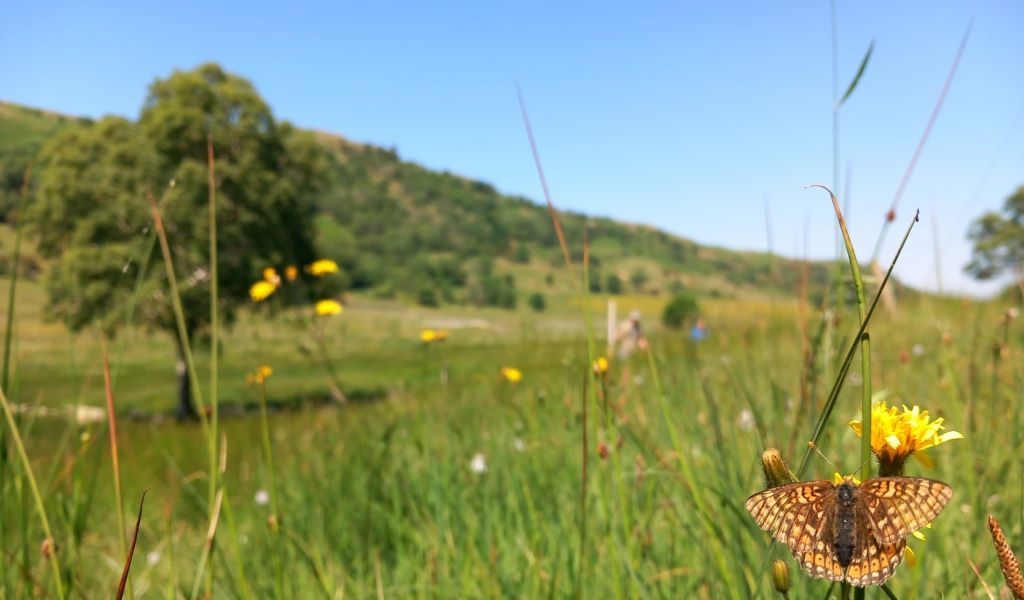
This was part of a scheme aimed at bringing back these beautiful butterflies to the area, in order for them to spread out naturally. It has been successful, with Marsh Fritillaries now found many sites across Cumbria, including this new found population at Haweswater.
Lee said: “This is what I love about nature, it’s full of surprises. We know there were sightings of marsh fritillaries just over the fell from Swindale, in Wet Sleddle last year, so it’s not very far as the butterfly flies.
“We had actually planned to re-introduce this species to Haweswater through the Cumbria Connect partnership programme, part of which involves bringing lost species back to this area of the Eastern Lake District.
“But now following our management to create the conditions they need, nature has done it all by itself. It’s hugely satisfying seeing wildlife respond to the improved quality of habitats at Haweswater.
“Part of the overall plan of the Cumbria marsh fritillary project was to establish core colonies so the butterflies could increase in numbers in those core areas and naturally expand onto suitable habitats they find for themselves.”
A key factor in the return of butterflies is providing the habitat they need.
The RSPB uses native Cumbrian fell ponies at Haweswater to graze more dominant, course vegetation such as rushes, which allows through delicate, less-competitive plants like devil’s bit scabious, which is the food plant of marsh fritillaries.
This plant is now abundant in Swindale Valley due to the fell ponies grazing, so has created ideal conditions for the butterflies to lay their eggs.
Dr Dave Wainwright, head of conservation at Butterfly Conservation said: “The appearance of the marsh fritillary at Swindale is reward for all the hard work and planning by our colleagues at RSPB.
“It adds another piece to the jigsaw of occupied habitat in North Cumbria and it is this landscape-scale approach, enabled by multiple partners, that has driven the success of the species’ reintroduction.
“All partners involved, both in the initial reintroduction and the essential land management that underpins it, can feel tremendously proud that this beautiful and iconic species continues to expand within the landscapes of Cumbria.”
The Haweswater site is managed both by the RSPB and the landowner, United Utilities, who work in partnership.
John Gorst, catchment partnership officer from United Utilities said: “The return of the marsh fritillary to Swindale is great news for this once extinct species in Cumbria.
“It is yet another sign that the management changes and sustainable approach to farming being delivered by the RSPB in partnership with United Utilities, are helping to address some of the biodiversity losses and reverse the trends being seen in the wider landscape.
“Swindale is already a special place but the success of species like the marsh fritillary are a very visible result of the successful management approach.”