
It’s a job that’s envied by all outdoor enthusiasts – but being a park ranger in the Lakes isn’t without its trials and tribulations.
Defending ecosystems, managing thousands of visitors and dealing with fly-campers – as well as the occasional illegal rave or missing person – are just some of the challenges they face.
With summer also comes an influx of visitors, both local and from further afield, and so too comes social media posts documenting extreme incidents of litter or destructive fires.
Area ranger Adam Phillips, from Whitehaven, is one of the rangers working to protect the Western Lake District from incidents like these.
From April to October, he is one of several rangers who go out on weekend patrols in pairs across the national park, seeking to educate people and keep the park in a healthy state.

Covering areas like Ennerdale, Wasdale, Eskdale and Cogra Moss, he has a unique insider knowledge of popular areas where problems normally arise.
We joined Adam on a patrol day to get a idea of what it’s like to be one of the Lake District’s custodians.
Starting the day in a hot and sunny Wasdale Head, Adam explains that a typical patrol can range in length – with some later patrols running until close to midnight.
He said: “It’s not the most glamourous of jobs, it has its challenges, but you get to work in incredible places like this and be around people who genuinely care and protecting the area and making it accessible.
“It can be so diverse what we find and face. It can be anything from fixing bridges to removing human waste or just engaging with people who have got lost or are camping in the wrong place.”
He adds that despite working with chainsaws, diggers and dumpers – it’s the driving that’s the most dangerous part of the job, with traffic in and out of areas like Wasdale often proving treacherous in certain weather conditions.
The roads are also filled with plenty of tight squeezes and heavy traffic, but alongside the driving patrols are the foot patrols, which take rangers into even more remote areas with no phone signal.
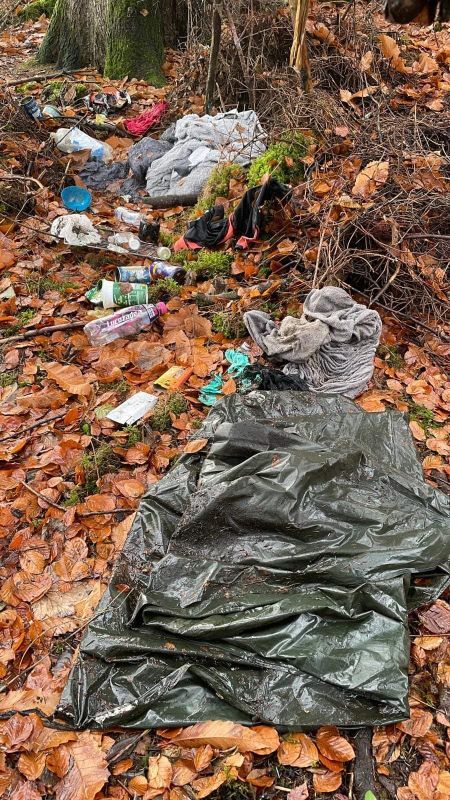
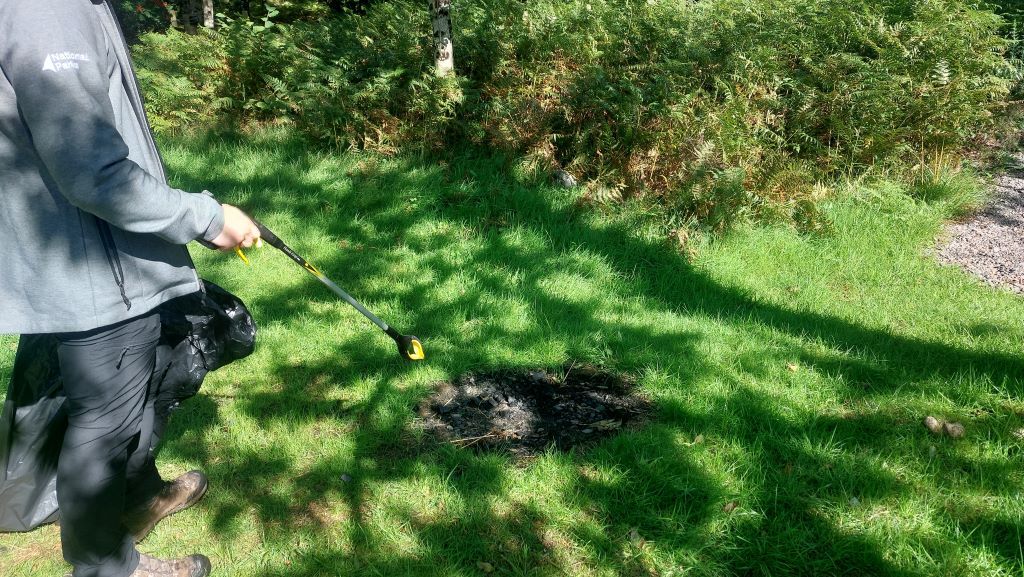
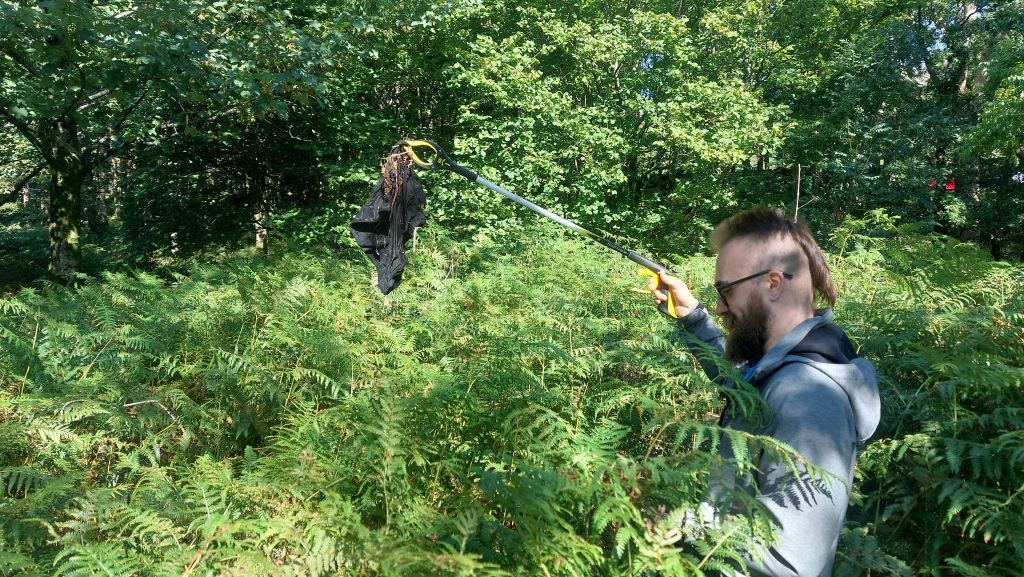
After hopping over a few stiles by the edge of Wastwater, Adam uncovers bin bags hidden in ferns, long lost underwear and polka-dot scorch marks in the earth from old fires lit somewhat terrifyingly on peat – a very flammable substance used for fuel.
He said: “It can be a bit like whack a mole when we’re out and seeing several spots where smoke is coming up into the sky.
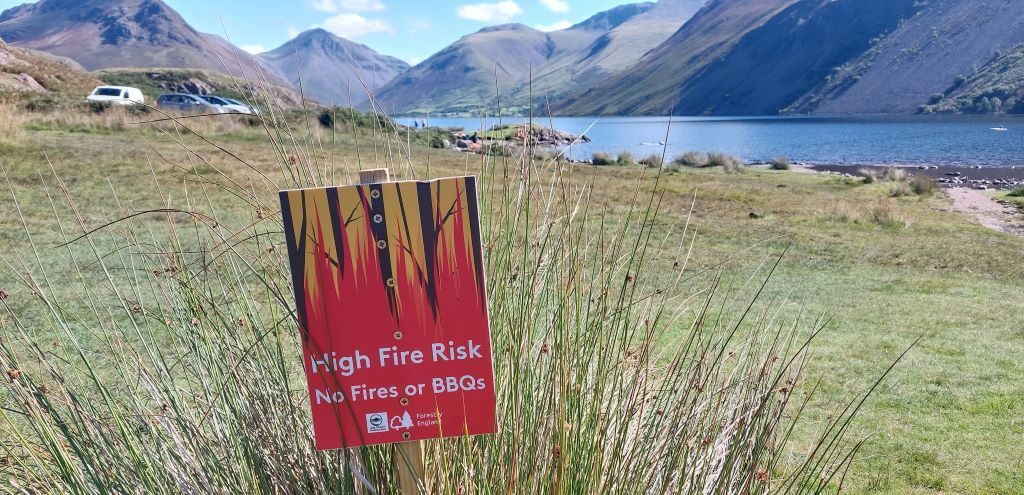
“We do encounter people who have open fires on peat and when we speak with them they often say ‘oh well, it’s just a fire pit’, but they don’t realise that on peat it doesn’t recover overnight, and it might even need a peat graft.
“We have a zero tolerance policy on fires, people should only really be having fires if their life depends on it. But if people have got to have barbeques, having it on stilts or on top of rocks is so much safer.”
Looking out for fires and stopping them is a core part of weekend patrols – Adam explains that one seemingly harmless campfire beneath a tree can cause root damage that leads to it needing to be felled years down the line.
But in order to put a stop to destructive fires, rangers have to confront and educate people and it’s not always straightforward.
Adam said: “We are given training in conflict resolution and confronting people is down to our discretion.
“If two of us are on patrol and we’re faced with a group of 10 who are acting dangerously then we can report it to police and clean up afterwards. But we will move on fly-campers or people doing wrong where possible.
“Some rangers will confront people more than others and it is normally all positive. It’s a case of explaining to people that they’re in a protected area and it’s to be looked after, it’s all about educating people on how to act in these places.”
Patrols are also carried out in partnership with other providers including the National Trust, Forestry Commission and United Utilities. Police and Fire services are also involved during busier times like bank holidays.

The Lake District’s rangers wear blue to stand out from other organisations – and Adam said the uniform means different things to different people.
He added: “You’re either seen as the fun police or people spot you and are very keen to ask questions. It’s not about discouraging people, we have good relationships with local people and visitors.
“We want people to have the same care we have for conserving and protecting the area for years to come, while also being aware of dangers, as you can quickly end up in fatal circumstances out here.”
Rangers work on a tight budget – with funding coming from the government and through local councils – and going out on patrols clearing litter and engaging with the public can often be in conflict with spending time repairing bridges and path accessibility.
Adam said: “We had an illegal rave take place at the Roman Fort on Hardknott Pass recently. There was around 30 tents and it was like a miniature festival.
“That was a lot of clean up but we had no direct engagement as with situations like those it’s not clear if drugs are involved so police are the first port of call.
“At one point there was also a wedding celebration of some kind in Wasdale where someone had set off a confetti cannon. It was local residents who alerted us and helped clear it up.
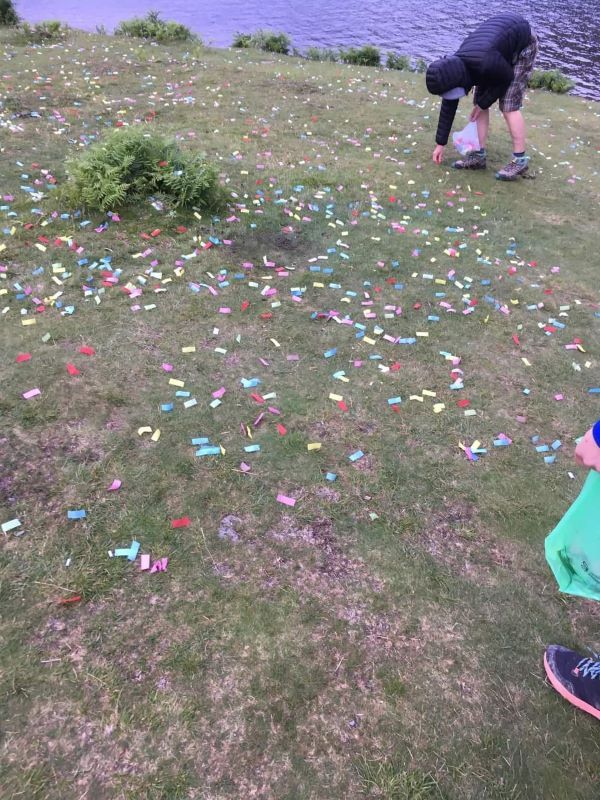
“Sometimes it is unfortunately the neighbourhood that clear up after visitors. It’s easy to think looking around in Wasdale that nobody lives here, but they do and some work here and they don’t want to see cans of beer and litter everywhere.
“It is detrimental and it does have a knock on effect, we can either pick up people’s waste or spend our time fixing and maintaining things like bridges.”
Moving the patrol to Eskdale, an area considered less busy than Wasdale, Adam explains that rangers have behind the scenes tactics to help manage huge amounts of visitors on sunny days.
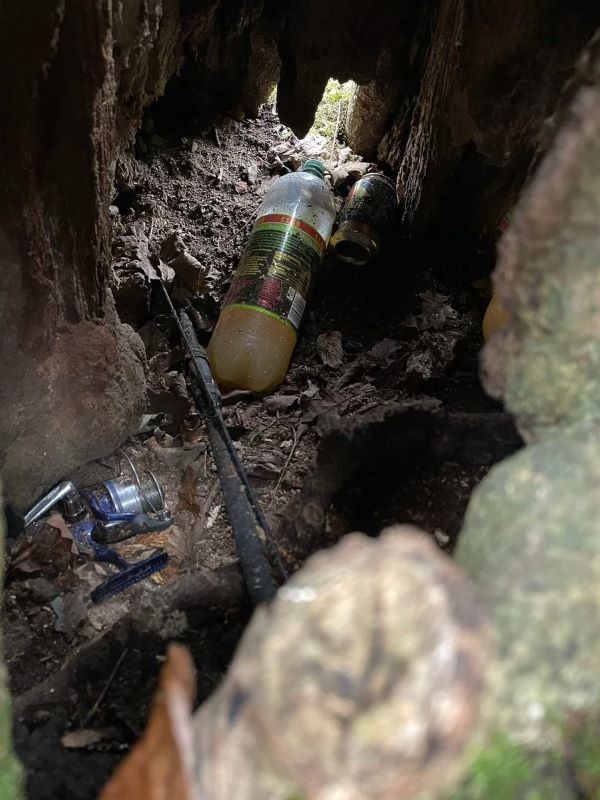
In Eskdale, we hike up Stanley Ghyll, a popular pose-for-a-picture spot on our hunt for rubbish and on the way down, we find discarded sanitary pads squashed between drystone walling, bottles and crumpled up tissues.
Adam added: “We get a lot of people coming from social media as they’ve seen videos on TikTok or Instagram and it can be both a help and hinderance to local areas.
“People asking to check places out leads to an influx of people in area. A lot of these people don’t have right equipment, meaning no boots, maps or waterproofs, some don’t even have water.
“We have tactics designed to disperse people and alleviate pressure on certain areas when it gets busy. But just because someone is on holiday in the Lake District it doesn’t instantly make them a person that will leave the area in a state.
“It’s more the people who aren’t aware of the bigger picture and our ecosystems here. It’s very hard to point the finger, the people leaving litter or fires are not in one specific group. Even local residents will leave dog poo bags hanging on a tree and forget it.
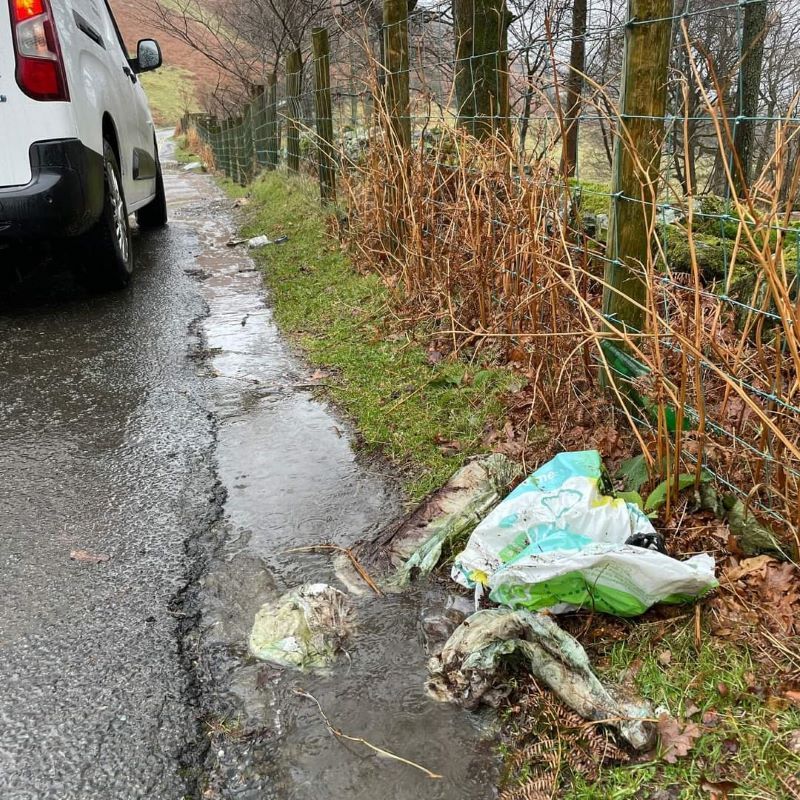
“It can be anyone – but if we just walk past litter we lower our tolerance, so we need to look after our spaces and share them well.”
Rangers can also become involved in missing persons cases or very occasionally, the ‘supernatural’.
Adam said: “We often have to make mental notes of random cars or vehicles parked in places they shouldn’t be.
“Normally it’s the landowner or someone parking where they shouldn’t, but sometimes it can be useful information for the police when someone goes missing.
“Rangers were also involved when the Ullswater monster situation happened and we also come across a lot of abandoned camps where tents, sleeping bags and cooking utensils are left behind.
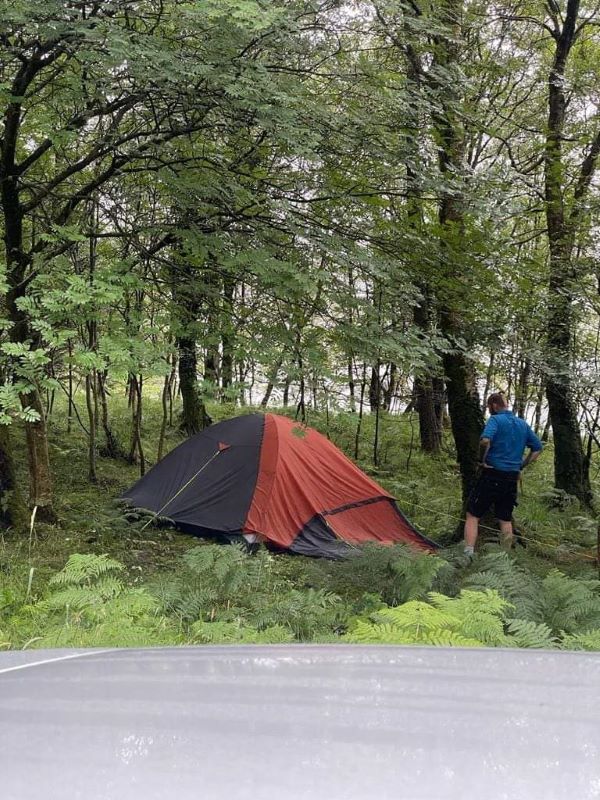
“You feel a lot of different emotions approaching a site like that, you have feelings of dread as people have sadly been found dead before and you also feel it’s a shame to see new equipment left behind.
“These people are appreciating the area in their own way, and it’s good they get to do that, but it’s not good generally. In many ways the actions of the few do penalise the many.”
Adam first became a ranger back in 2021 and his first week on the job started amidst the chaos of Storm Arwen.
He said: “My previous job was demanding and very high pressure and what I really wanted was to be working with the environment outdoors.
“I ended up finding out they were hiring for the role of area ranger and applied and I’ve learnt a lot working here since.
“There are different kinds of ranger roles too. Field rangers take on more of the practical work while area rangers help with public facing roles and helping coordinate tasks behind the scenes to make sure things get done.”