
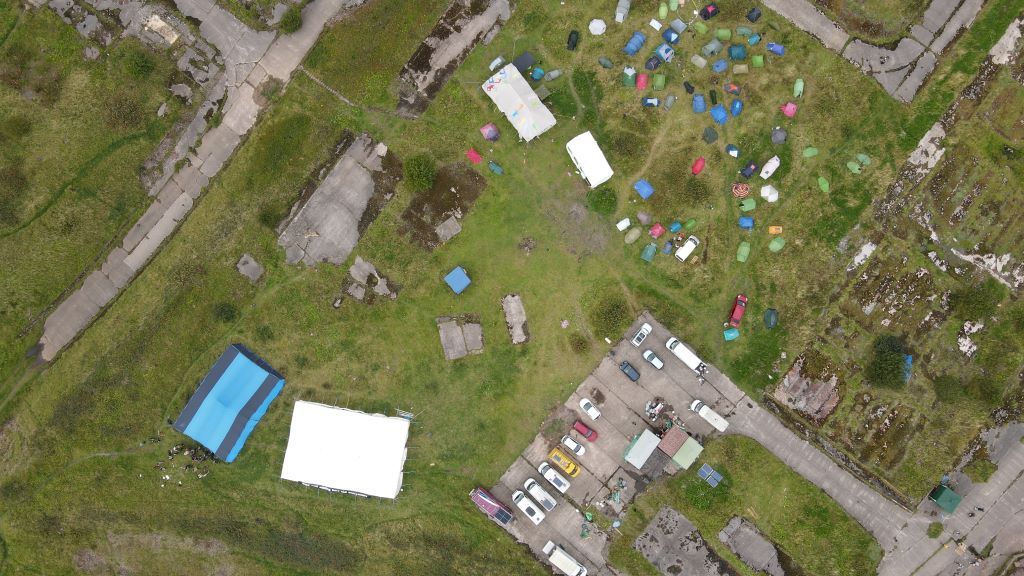
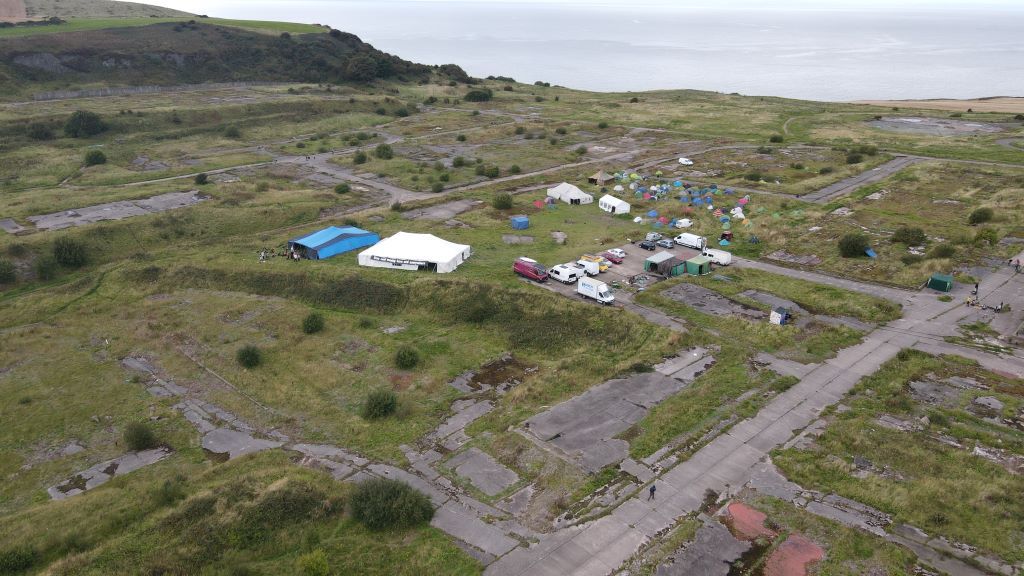
A group of protestors are squatting on land in Whitehaven to protest against plans for an £160 million off-shore coal mine.
Members of Earth First, which describes itself as using direct action to “confront, stop and eventually reverse the forces that are responsible for the destruction of the Earth and its inhabitants’ say they are not a cohesive group or campaign, but a ‘convenient banner’ for people of similar philosophies to work under.
They have chosen Whitehaven for the site of their summer gathering and have taken over land at the former Marchon factory.
Their website said: “We have chosen to occupy the site of the proposed Whitehaven mine to send a message to those on these Isles and across the world: This mine will not go ahead, leave the coal in the hole!
“The world is burning. More and more people are waking up to the reality we are faced with: we must end not just fossil fuels but also the capitalist system that places profit above planet and people.
“There are numerous groups and individuals campaigning against the proposed mine here. There is also a strong desire for more jobs in Whitehaven. The biggest local employer is Sellafield nuclear power station just down the coast.
“Local people have an attachment to the community and solidarity the coal mines used to provide. But there are better ways to create jobs through renewable energy, while more coal use worsens the climate and puts coastal and flood risk communities in jeopardy.”
The controversial plan by West Cumbria Mining would see the mine developed off the coast of Whitehaven for coking coal.
The plans were given the green light by the Government in January, but campaigners are planning to challenge that decision in the High Court later this year.
Permission was granted following a Planning Inquiry, which was told West Cumbria Mining would extract around 2.7 million tonnes of metallurgical coal a year.
The firm said its “indigenous” coal would principally supply British steelmaking and industry in EU countries, while creating hundreds of well-paid jobs for people in West Cumbria.
It is estimated about 15 per cent of the coal extracted would go to UK-based companies, with the firm saying the rest would be exported to Europe.
Opponents dispute that claim and say they believe the coal would have to be exported to countries outside the EU.
What are the arguments for and against West Cumbria Mining’s plans?
You can read the arguments for and against the plans for an off-shore coal mine here.