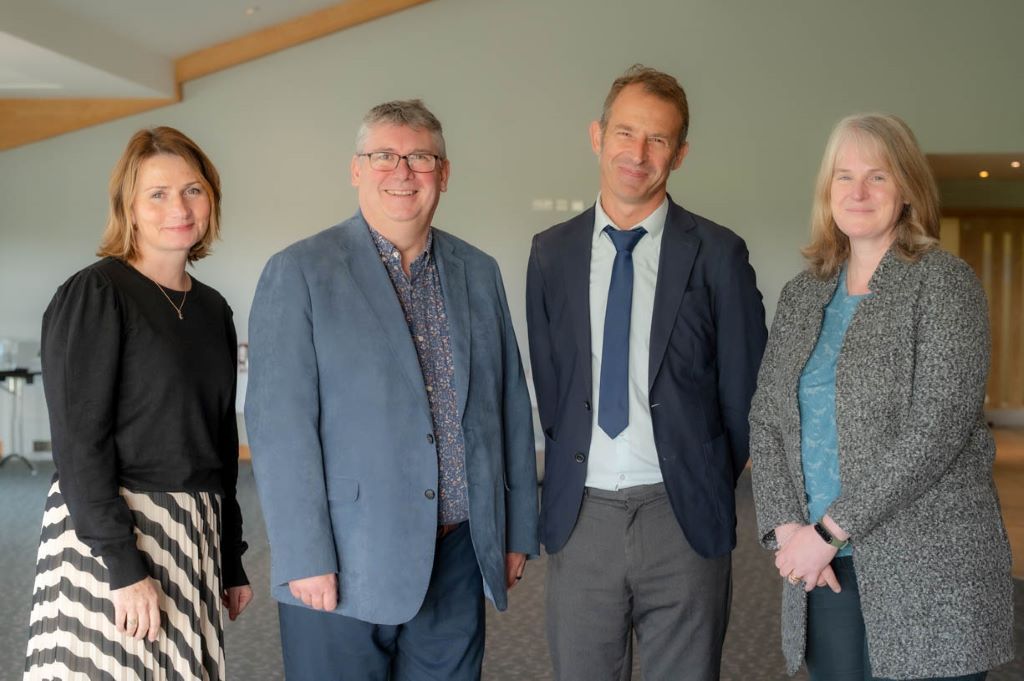
A pioneering scheme to raise pupil attainment by bringing together leading experts and high-quality research has been launched in West Cumbria.
The Education Research Alliance is the first of its kind in the country and aims to become a national centre for excellence.
It will help schools access the most effective evidence-based techniques for raising standards and closing the attainment gap for disadvantaged pupils.
“This is a groundbreaking development,” said Dale Hill, director of Western Excellence in Learning and Leadership (WELL) the West Cumbria education project, funded by Sellafield Ltd and the Nuclear Decommissioning Authority, which has created ERA.
“It’s about a collective ambition to ensure every pupil thrives and succeeds regardless of background and starting point,” he said.
“In Cumbria and nationally we have a recognised attainment gap between disadvantaged pupils and their peers. It’s big and it’s getting wider. We have a collective responsibility to do something about that in a strategic evidence-informed way.”
ERA is based at Ashfield Junior School in Workington, which has previously been a designated research school, and brings together some of the country’s foremost experts including Marc Rowland, a government advisor and a national authority on improving outcomes for disadvantaged learners.
Ashfield headteacher Sue Frost is ERA’s director. She said: “This is about helping us to keep improving, using evidence-informed approaches so we provide the best for the children and young people in our region.”
Sue Frost and her team will support the delivery of some of the training and help schools to access the latest research, said Dale.
“ERA will also broker the experts the region needs. It will bring together local and national expertise. We will be responding to schools’ specific needs. The alliance is about listening and responding to local priorities,” he said.
All 118 primary and secondary schools in West Cumbria (the former districts of Allerdale and Copeland) are taking part in WELL and the ambition is for ERA to support across Cumbria.
Marc said: “It’s a joy to be involved in ERA. There is something incredibly special happening in our community of schools. Our work is rooted in the needs of our community, driven by research evidence and expertise. Together, we are supporting and challenging each other to make the biggest difference we can, including for those that experience disadvantage.”
The core ERA team includes Prof Stuart Kime, of Evidence Based Education, the Sunderland-based creator of professional development programmes.
He said: “The Educational Research Alliance is something we’re incredibly proud to be part of. Not just because of what it stands for and aims to achieve, but because it is a collaborative born out of the community it will serve.”
Also on the core team is Kate Horton, regional lead for the Education Endowment Foundation which provides evidence-based resources for improving the attainment of disadvantaged pupils in England. The foundation has worked with WELL since WELL launched, and Ashfield Junior School was previously a member of the Foundation’s network of research schools.
Kate said: “We’re delighted to support Cumbria’s new Education Research Alliance. Its focus on improving outcomes particularly for disadvantaged pupils is especially important at this time. They’ll build on the good work of the former Cumbria Research School, based at Ashfield Junior School.”
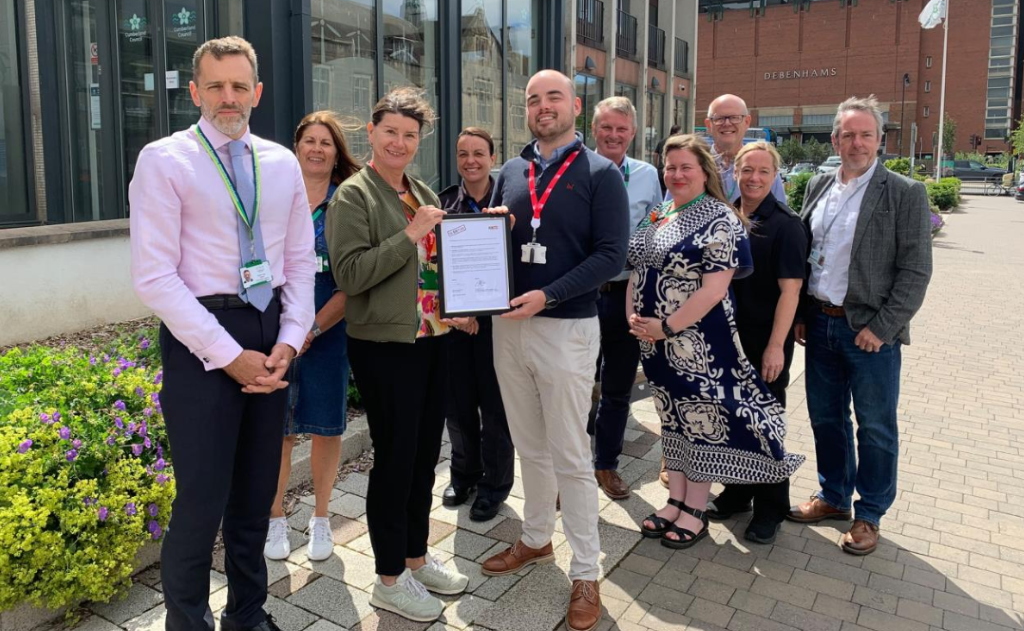
Cllr Elaine Lynch said Cumberland Council is excited to be working with the Education Research Alliance. “The work will benefit schools across Cumberland Council and will support disadvantaged pupils to achieve good outcomes,” she said.
Dale is former education senior manager for Cumbria and is on secondment from Westmorland and Furness Council to direct WELL, which was launched in 2019 by Dale working with local school leaders. It is funded by Sellafield Ltd’s SiX – social impact, multiplied programme, and the Nuclear Decommissioning Authority.
WELL sponsors the Education Research Alliance, as part of its work in West Cumbria to raise standards, close the attainment gap for disadvantaged pupils and improve pupil wellbeing.