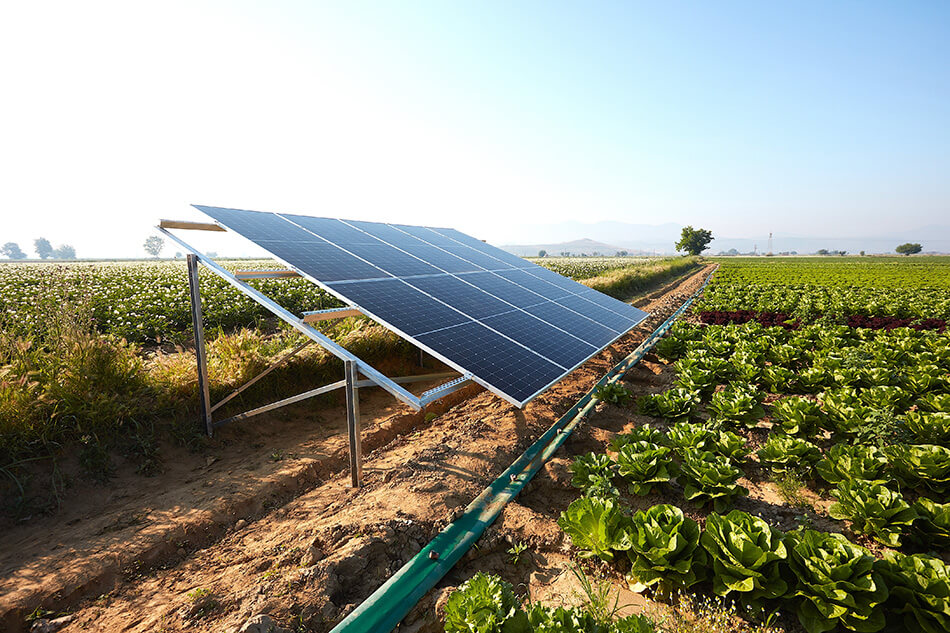
Land with the right topography, access and proximity to a grid connection starts to tick boxes for solar developers looking to cash in on the country’s energy crisis and increasingly efficient solar technology.
But there is no such thing as a free lunch. Yes, solar developers will offer an option payment, and the rents for solar leases compare very well with other sources of income, but this is not money for old rope.
Granting an option to any developer inevitably means handing over enforceable rights to a third party who can exercise those rights over your land.
In the case of solar options, this will include land outside the option site, as developers need ancillary rights for access, cabling and numerous other considerations.
Landowners may be prevented from erecting new buildings or planting new trees and hedges and may find that they are even restricted on what they can do within 5km or even 10km of the site, particularly to prevent competing schemes from arising.
By entering an option and lease, landowners will be restricting what they can do with their own land – whether that’s granting tenancies or other third-party rights over it or even sometimes having to agree to farm it in a particular way!
There may be crop loss to consider and any subsidy or agri-environmental schemes entered into. And what about sporting and mineral rights if not owned by the landowner?
In most cases, options seek to allow maximum flexibility for the developer. Fair enough, you might think, but generally speaking, the more flexibility there is for the developer, the less certainty there will be for the landowner.
Landowners are also expected to agree to be bound by planning agreements. One particular risk is that a planning agreement could technically force a landowner to give up more land, for example, to host biodiversity net gain arrangements, but without any further rent or compensation.
And what happens when the lease comes to an end? A landowner may have enjoyed 30 or 40 years of good income before then, but if the developer fails to remove the solar equipment and restore the land at the end of the term, much of that income may be lost if the landowner has to carry the costs of clearing and restoring the site. Securing restoration and decommissioning liabilities is, therefore key.
Finally, landowners need to carefully consider their tax position and take expert advice on that – developing a solar farm on agricultural land will result in the loss of agricultural property relief, and there are other potential tax consequences, all of which need to be given careful thought before proceeding with an option.
It’s not all doom and gloom; solar farms must be part of the energy mix and can be an excellent passive generator of high-income levels for landowners. Just ensure you have all the facts and the right advice before donning those shades.
For more information, please contact Muckle’s head of agriculture David Towns at [email protected] or call 01768 347 084.