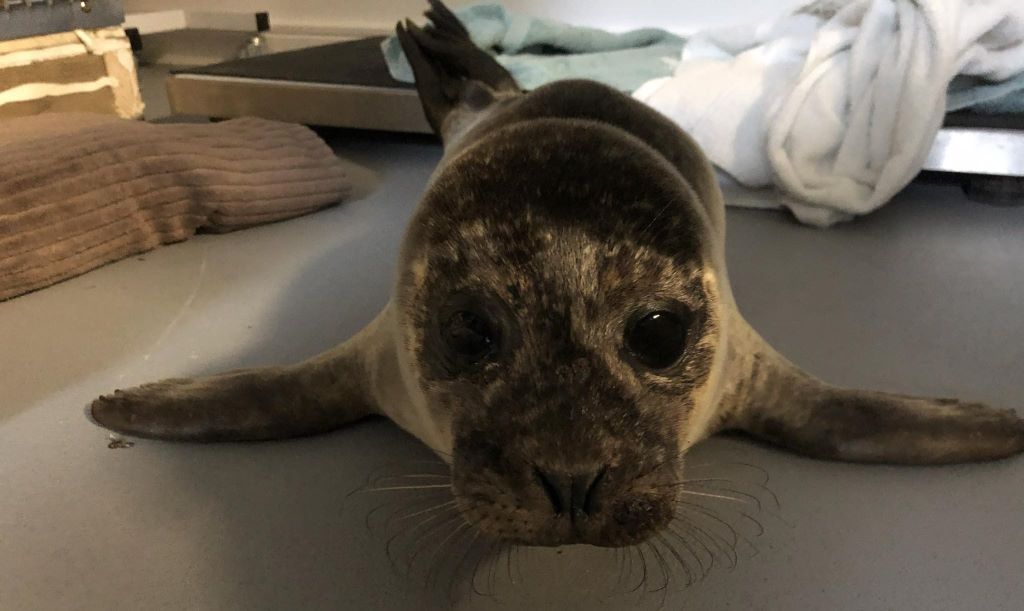
Cumbria’s seal and otter rehabilitation facilities are set to expand as part of a unique new marine biology course.
Kendal College is revamping and expanding its wildlife rehabilitation centre and on-site veterinary facilities to add a new seal and otter hospital space.
Five new outdoor rehabilitation pens will be created at the centre as well as a pen with a pool and two indoor pens.
Two intensive care cages will also be created – allowing the centre to house up to nine seal or otter pups at a time.
There are currently not enough seal rehabilitation centres in the UK to meet demand and it is hoped the new facilities in Kendal will help make a difference.
Sarah Neill, Cumbrian marine biologist, Kendal College lecturer and regional coordinator for British Divers Marine Life Rescue, said: “This is of great benefit to the North West region and seal conservation overall, as there are not enough seal rehabilitation facilities to meet the demand of seal casualties.
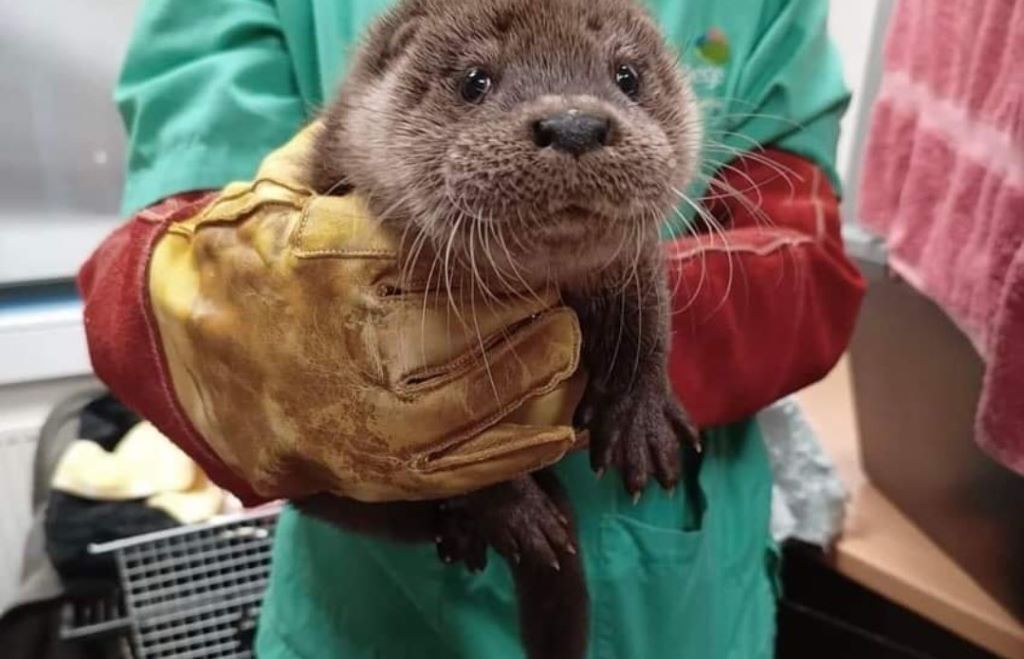
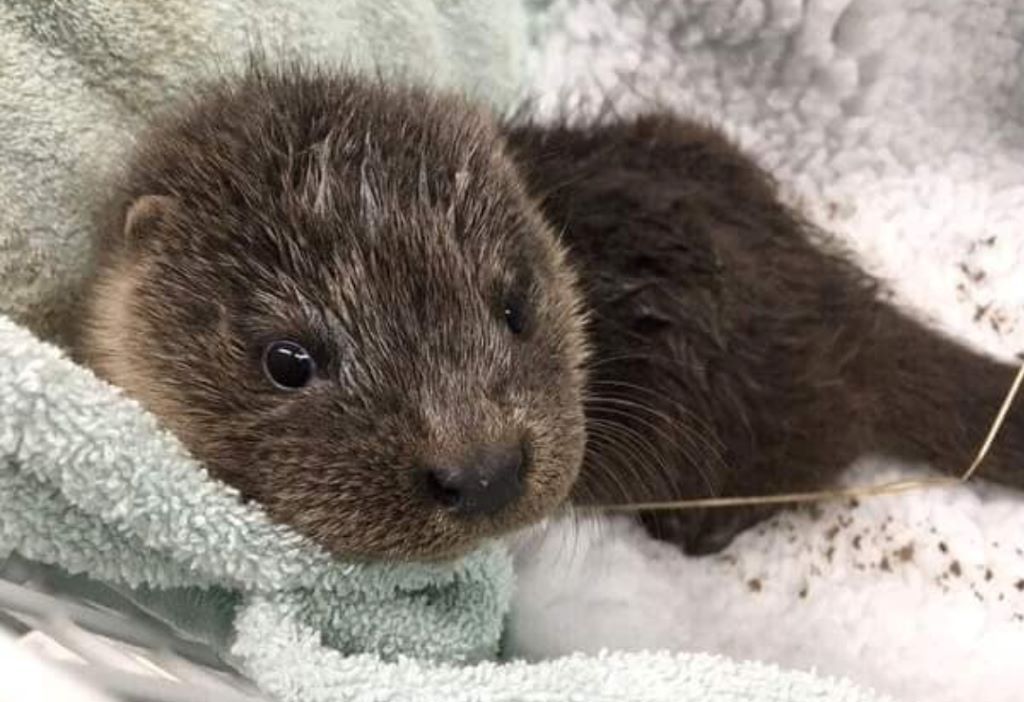
“The need to rescue seals is ever increasing with the effects of climate change and disturbance. The pens would also be suitable for otters and would support our work with the International Otter Survival Fund.
“We will also be installing some new aquatic systems into our main building to support teaching aquatic animal health and husbandry skills.”
Kendal College’s facilities have previously been used for the temporary holding of seal pups as part of their onward journey to full rehabilitation centres.
It is considered a vital stepping stone in the marine rescue network as it is the only location able to hold and adequately care for seal pups between Cheshire and Glasgow on the west side of the UK.
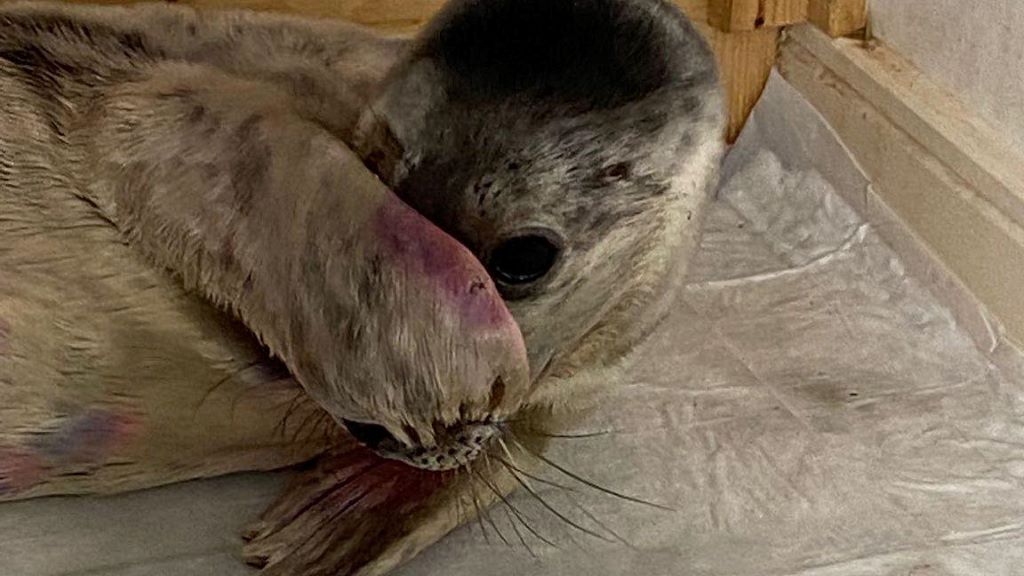
Kendal College is revamping the facilities as part of its brand new Marine Biology and Rehabilitation foundation degree course.
It is set to launch in September and is being delivered by the college in partnership with the University of Cumbria.
Several top marine organisations are backing the course, including: Morecambe Area Divers, British Divers Marine Life Rescue, Cetacean Strandings Investigation Programme and International Otter Survival Fund.
While marine biology is taught in universities across the UK – the new course gives students the unique opportunity to gain valuable practical skills and real-world rescue experience.
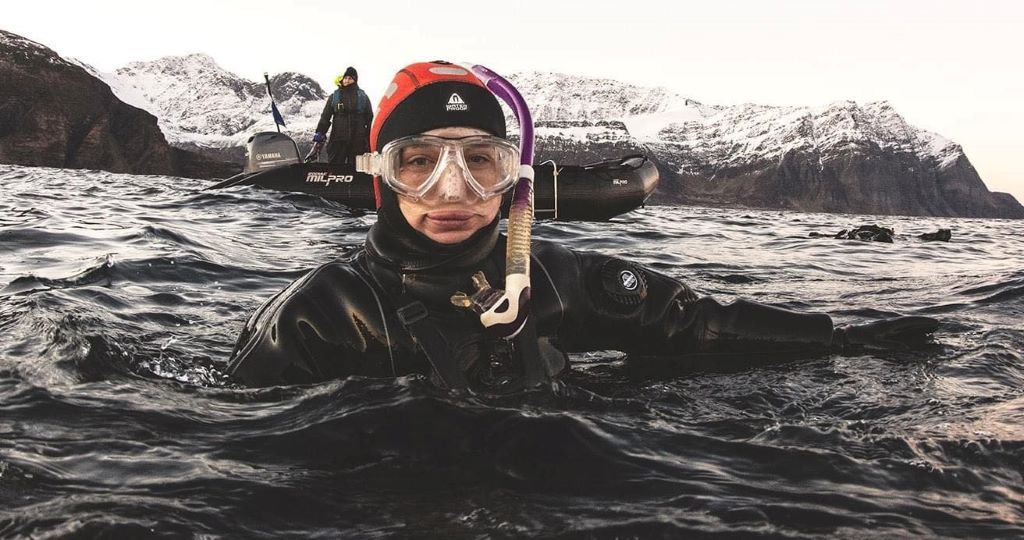
Students will have the chance to train as marine mammal medics, learn skills like scuba diving and attend field trips abroad, including a chance to undergo drive training and learn from a classroom in the field in Egypt.
The idea to launch the course was put forward by Sarah, who will be running the course as programme leader.
She said: “My background is in marine biology and I often bring it into my teaching. As a result, many of our college students often develop a keen interest in marine biology.
“These students go off to study marine biology courses at universities around the country, but many have said they would love to stay at Kendal College to do it if the option was there.
“Marine Biology and Rehabilitation is the ideal sister course to our existing Wildlife Conservation and Rehabilitation degree programme, both of which utilise our unique wildlife rehabilitation centre facilities and unique skills and expertise of our staff.
“It is a very unique course with very unique opportunities and is designed to equip students with excellent skills relevant to industry.”
Practical aquatic animal husbandry, marine life rescue and rehabilitation and the study of marine ecology and conservation of marine species will form the core elements of the course.
More information on the foundation degree is available on Kendal College’s website.