
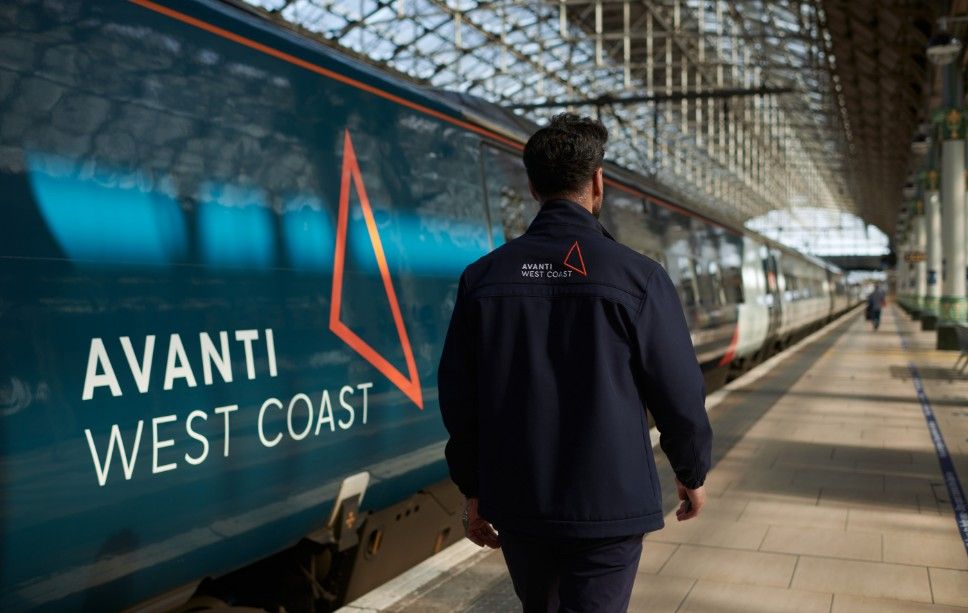
Avanti West Coast is warning customers that its services will be significantly disrupted this weekend due to the latest round of strike action.
Members of the RMT union who work as train managers for Avanti are taking industrial action after rejecting the company’s latest pay offer to resolve an ongoing dispute.
The rejected offer followed Avanti management paying £300 or more to management grades to cover rest day working. Train managers argue that Avanti has failed to address their concerns adequately, leading to the action.
Union members will strike on Sundays until May 25.
Avanti is strongly advising passengers to travel either side of Sunday January 12.
A reduced timetable will be in place on the strike days – with fewer services running during limited operating hours.
As a result, the trains which will run are expected to be busy. With planned engineering work taking place on most of these Sundays, timetables for each strike date may vary and take longer to be finalised, Avanti said.
On Sunday January 12, Avanti West Coast will run one train an hour between Euston and each of Birmingham, Manchester, Liverpool, and Preston.
A limited service will operate between Glasgow and Carlisle. Rail replacement buses will also run between Carlisle and Preston due to planned engineering work.
Trains will operate during limited hours – with the first train of the day departing Euston after 8am and the last train of the day from Euston departing before 5pm.
The significantly reduced timetable will mean North Wales, Blackpool and Edinburgh, Stoke-on-Trent and Macclesfield will have no Avanti West Coast services.
Oxenholme, Penrith and Lancaster will not be served by Avanti West Coast on Sunday due to planned engineering work.
People with existing tickets for Sunday can travel any time from Saturday, January 11, up to and including Tuesday January 14.
If people who booked tickets to travel on the strike day before industrial action was announced on December 17 would rather not travel, they can claim a full, fee-free refund from their point of purchase.