An independent review will be launched into the decision to close West Cumbria’s mental health ward.
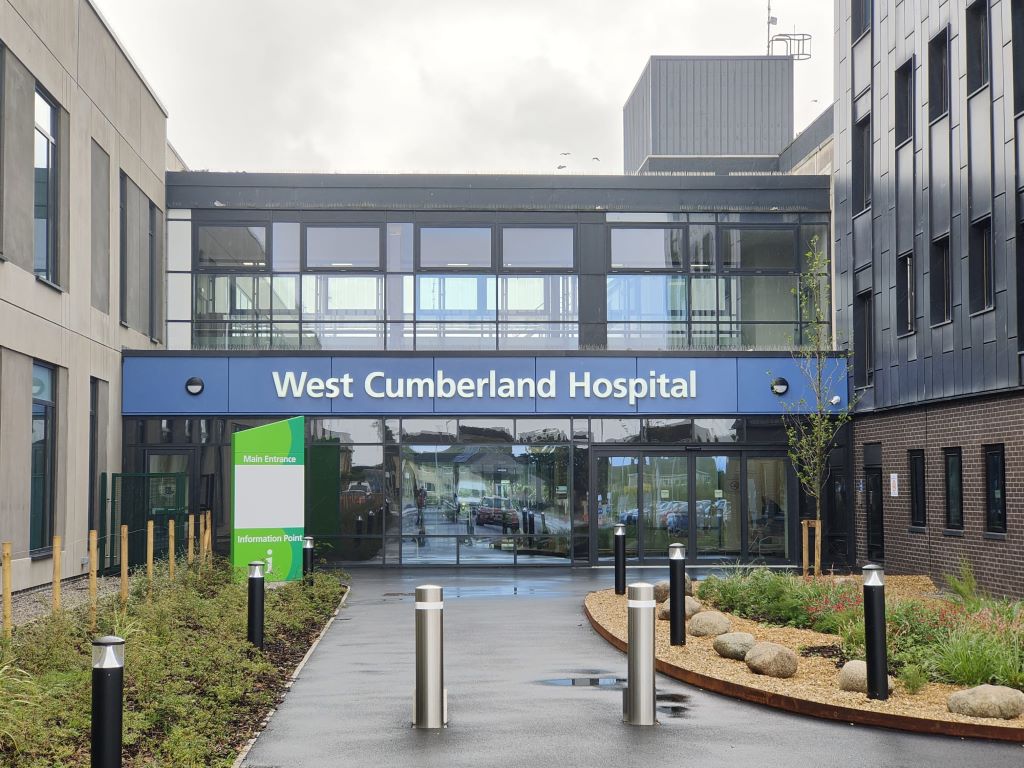
Bosses at the Cumbria, Northumberland, Tyne and Wear NHS Foundation Trust, agreed to close the 16-bed Yewdale ward at Whitehaven’s West Cumberland Hospital last month.
The trust said the ward was no longer fit for purpose.
Plans for the revamp of mental health services were revealed in October. Discussions had taken place for around 12 months prior to that about the long-term future of mental health care.
The decision caused outrage in West Cumbria – and a campaign was launched to stop the plans.
Whitehaven & Workington MP Josh MacAlister demanded a review into the decision, because he was not confident about the trust’s proposals.
Last night, Mr MacAlister said the North East and North Cumbria NHS Integrated Care Board, responsible for commissioning services, had agreed to his request for a review.
He said: “I am demanding the halt of any further action to close the ward while the review is underway, followed by a full and proper public consultation – which is what the trust should have done in the first place.
“Thanks to everyone who supported my campaign. This is a win for all of us.”
The trust operates Yewdale ward, with 16 mixed-gender beds and Carlisle’s Carleton Clinic, which has 10 male beds and 10 female beds. There is also a trust-wide psychiatric intensive care facility in Sunderland.
The trust said it had invested in the Carleton Clinic, which will see an increase in beds from 20 to 32.
In October, Yewdale ward had 14 patients.
The trust said that was an 87.5% occupancy rate; all 14 patients on the ward are from north Cumbria. Since April, 24% of north Cumbria residents requiring an adult acute admission, were admitted into Yewdale ward, with 76% of Cumbria patients admitted into other wards across the trust.
The trust said it had seen a ‘steady reduction’ in out of area beds being used over the past 12 months and has now reached a consistent position of zero inappropriate ‘out of area’ placements.
An inappropriate out of area treatment is considered to be when an individual is admitted to a unit that does not form part of the usual local network of services – in Cumbria’s instance, the usual network includes Northumberland and Tyne & Wear as the mental health trust runs services across the entire region.
In September 2024, 8,812 north Cumbrian residents were treated by community services, and 96 by inpatient services.
What is wrong with Yewdale ward now?
The trust says:
- Yewdale ward is ‘isolated’ – around 40 miles from the ‘main hospital’ site. It says: “Its location also means it lacks the wider immediate support that a comparable ward on a main psychiatric hospital site would be able to draw upon and in the event of an incident or issue with staffing.”
- There are significant challenges with staffing. It adds: “Particularly, from a consultant psychiatric provision which has been an issue for over 20 years.”
- Mixed sex ward – Concerns over sexual safety
- Deteriorating building – the hospital is run by a different trust – the North Cumbria Integrated Care NHS Trust. The mental health trust says: “There are currently a number of outstanding estates issues, which still require urgent attention. These have continually proved to be a challenge in terms of priority for completion, and the standard of work undertaken.”
It added: “The experience reported by service users remains a concern, as currently they are unable to meet in person with the responsible clinician in charge of their care.
“Agency health care assistant staffing is often used due to limitations of attracting staff, this can have a significant impact on the quality and experience of services being provided.”
Why can’t Yewdale ward be revamped?
The trust says there are several reasons why this is not an option.
- The building is not owned by the mental health trust.
- Nationally, regionally and locally, there is limited access to capital – building and maintaining estate.
- Addressing the environmental issues would not address the safety and quality issues of the service and the issue of Yewdale being an isolated ward.
- It would not address the staffing recruitment challenges in the area.
What will happen to people already in Yewdale ward?
The trust said: “Appropriate engagement and discussions will be undertaken with all patients, and carers, currently on Yewdale ward, who would be directly affected by any future proposals to change services.“For example, then as part of the further engagement process, all patients on the ward at the time will be fully assessed, and those ready for discharge will be done so appropriately.
“However, for those patients still requiring inpatient treatment, the bed management team and ward staff will look to transfer those patients to other wards within the locality, or if more appropriate and safe to do so, back to their own locality, for those who do not normally reside in the Cumbria area.”
Why is the trust looking at mental health services?
In 2024, the national inpatient quality programme was launched which sets out requirements for mental health inpatient services for the future.
The programme has five objectives:
- Localising and realigning inpatient services, harnessing the potential of people and communities.
- Improving the culture of care and supporting staff.
- Supporting systems and providers facing immediate challenges.
- Making oversight and support arrangements fit for the sector.
- Support leady coercive care through reducing restrictive practices.
This includes moving away from isolated units, offering real alternatives to admission, and ensuring a clear therapeutic offer is in place when people need to come into hospital for their care, the trust said.
It added: “We recognise that improving community services, including crisis services is essential for West Cumbria and the new hub offers a real opportunity to realise the national ambitions for community and inpatient care.
“However, the trust also recognises the engagement and open communication which is needed with the local community in relation to what this means for the future of Yewdale Ward, which is not sustainable.”